
Recently, a Chinese owner of a Zeekr 9X encountered significant restrictions on his vehicle's smart functions while crossing the border into Kazakhstan. Essential features, including navigation, the electronically controlled fuel filler door, and storage compartments, were remotely disabled for over 30 hours , sparking widespread debate about the limitations of cross-border use of smart electric vehicles.
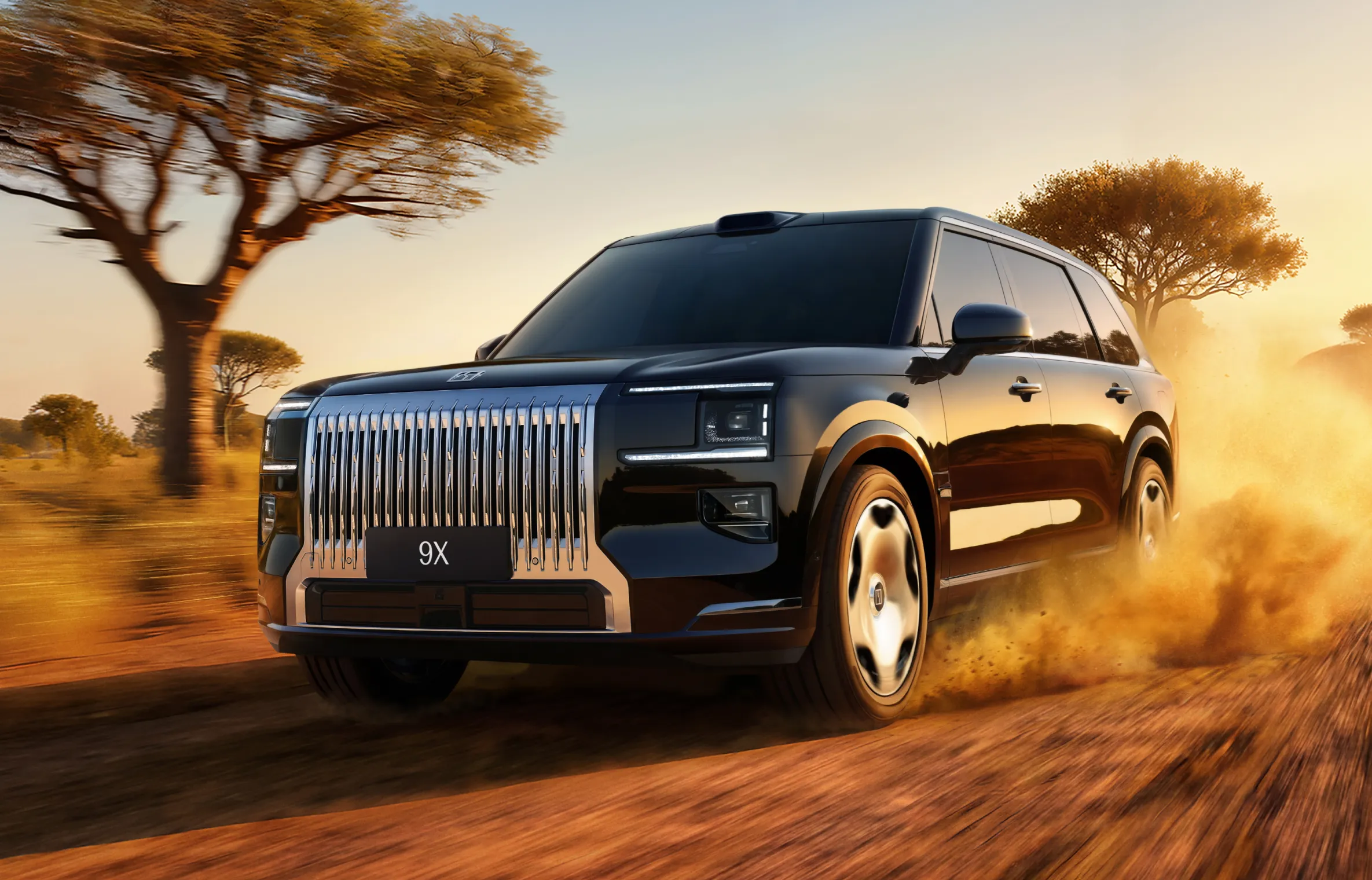
According to Mr. Liu, the driver in question, he began his road trip to Europe on July 8th and, after crossing the Kazakh border on July 16th, the vehicle's multimedia system suddenly displayed an alert indicating an "abnormal position," followed by a progressive failure of several intelligent functions unrelated to driving. Mr. Liu stated that the vehicle, purchased six months prior for approximately 500,000 yuan, had been registered with the dealership regarding its cross-border route, but had not received any warning about potential systemic restrictions.
On July 23, Zeekr responded to the Yi Jing Guan Cha Bao newspaper (“Economic Observer”), confirming that after verification, the system had identified the vehicle's location as being abroad, thus triggering an integrated security protection mechanism. “The system first displays an alert window; if the location remains unchanged, persistent information messages then appear.” The company emphasizes that this measure is standard practice in the industry to prevent theft, smuggling, or any illegal transfer of vehicles, in accordance with international import-export regulations.

Zeekr clearly states that this mechanism does not affect essential driving functions—powertrain, braking, etc.—and that the vehicle remains fully operational. The fuel filler flap can be manually unlocked by pressing and holding the hazard warning light button inside the cabin for five seconds, while the charging port cover also opens manually by pressing it. Once the legitimate use of the vehicle abroad has been verified, the user receives an authorization code that temporarily lifts the restriction—but this code is only valid for a single country; therefore, travel involving multiple countries may result in the vehicle being locked again.
Currently, Mr. Liu's vehicle has successfully passed the verification process, and the warning messages have been cleared. Zeekr states that it will continue to refine this strategy to "enhance the user experience during cross-border travel, based on customer feedback."
Data shows that in June 2026, Zeekr delivered 35,169 new vehicles, a 111% increase year-over-year; for the first half of 2026, cumulative deliveries reached 178,370 units, a 97% year-over-year increase. As the premium smart electric vehicle brand of the GEELY Group , Zeekr is actively accelerating its global rollout, and this incident highlights the emerging challenges of coordinating software and hardware adaptation in the context of the globalization of connected vehicles.
Commentaires
0 commentairesAucun commentaire. Soyez le premier !
Publier un commentaire