
Recently, a Chinese owner of a Zeekr 9X encountered extensive restrictions on the vehicle's smart functions while driving across the Kazakhstan border. Key features—including navigation, the electronic fuel-filler cap, and the storage compartment—were remotely disabled for more than 30 hours, sparking widespread public concern over the limitations and challenges of using smart electric vehicles across international borders.
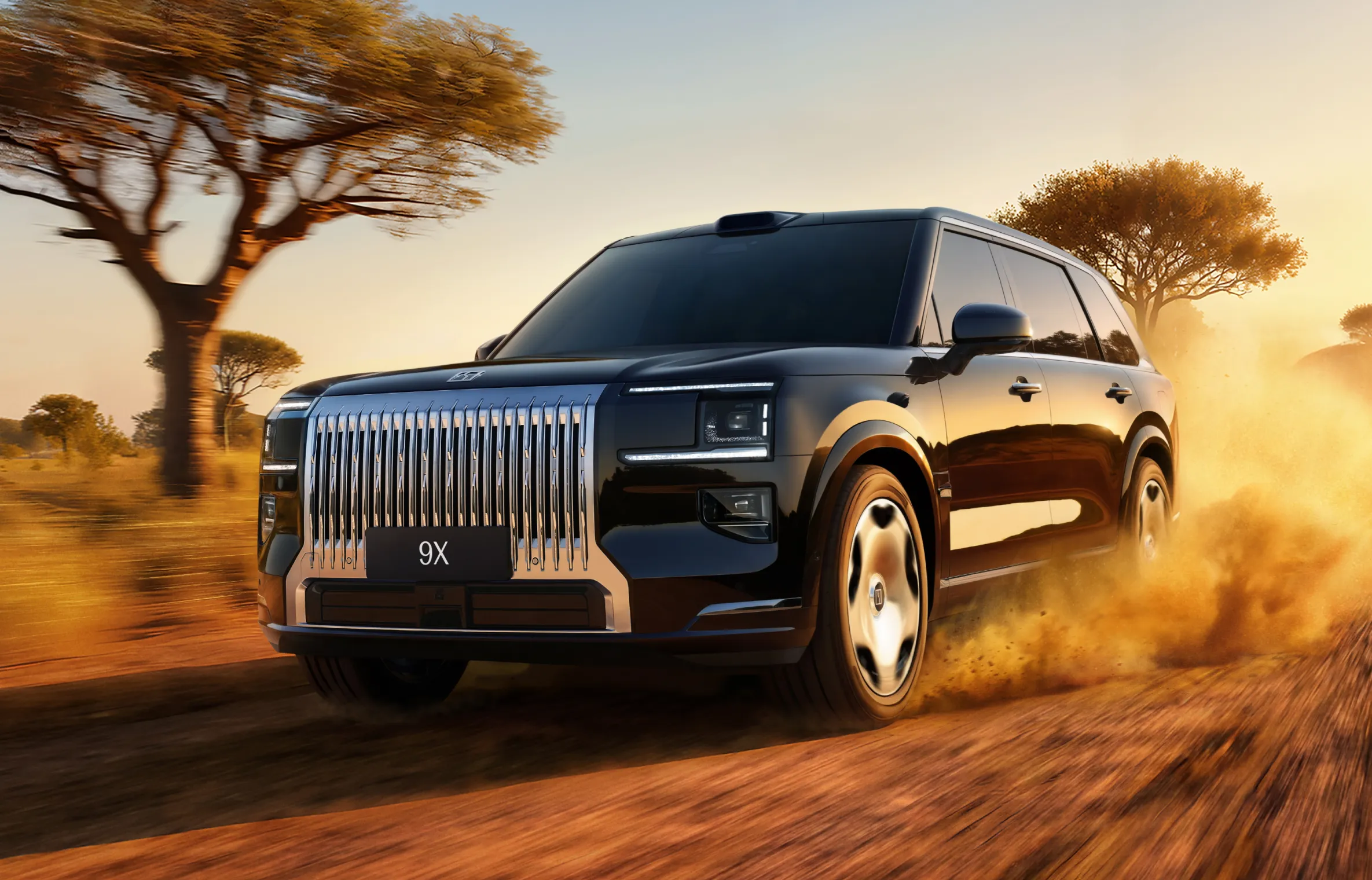
According to Mr. Liu, the owner, he began his self-drive trip to Europe on July 8. On July 16, after entering Kazakhstan, the infotainment system suddenly displayed an "abnormal location" alert — followed by progressive failure of multiple non-driving-related smart features. Mr. Liu said he purchased the vehicle six months ago for approximately RMB 500,000 and had previously notified the dealer about his cross-border itinerary — but received no warning about potential system restrictions.
On July 23, Zeekr responded to the Economic Observer, confirming that the vehicle's GPS location was identified as overseas, triggering its built-in security protocol. "The system first displays an on-screen alert; if the location remains unchanged, persistent interface prompts activate," the company stated. It emphasized this is an industry-standard anti-theft and compliance measure designed to meet international import/export regulatory requirements — and prevent smuggling or unauthorized vehicle relocation.

Zeekr clarified that the protocol does not affect core driving systems — including powertrain and braking — so the vehicle remains fully drivable. The fuel cap can be manually unlocked by holding the hazard light button inside the cabin for five seconds; the charging port also supports manual press-to-open operation. Users who verify the authenticity of their cross-border use may obtain a one-time authorization code to temporarily lift restrictions — but such authorization applies only to a single country, meaning multi-country travel may repeatedly trigger locking.
Mr. Liu's vehicle has since completed verification and the system alert removed. Zeekr stated it will continue refining the policy, aiming to "enhance cross-border travel experience based on user feedback."
Data shows Zeekr delivered 35,169 new vehicles in June 2026 — a 111% year-on-year increase — and 178,370 units in the first half of 2026, up 97% YoY. As a premium intelligent EV brand under the GEELY Holdings Group, Zeekr is accelerating global expansion — yet this incident highlights emerging software-hardware integration challenges facing Chinese smart EVs entering overseas markets.
Comments
0 commentsNo comments yet. Be the first!
Post Comment