
Xiaomi Automotive recently launched its proprietary lightweight structural material — Titan Alloy 2.0. This is China's first vehicle-grade structural alloy composed entirely of recycled aluminum, and it marks the first application of such material in mass-produced integrated die-cast rear floor assemblies — eliminating reliance on primary aluminum for high-stress safety zones.
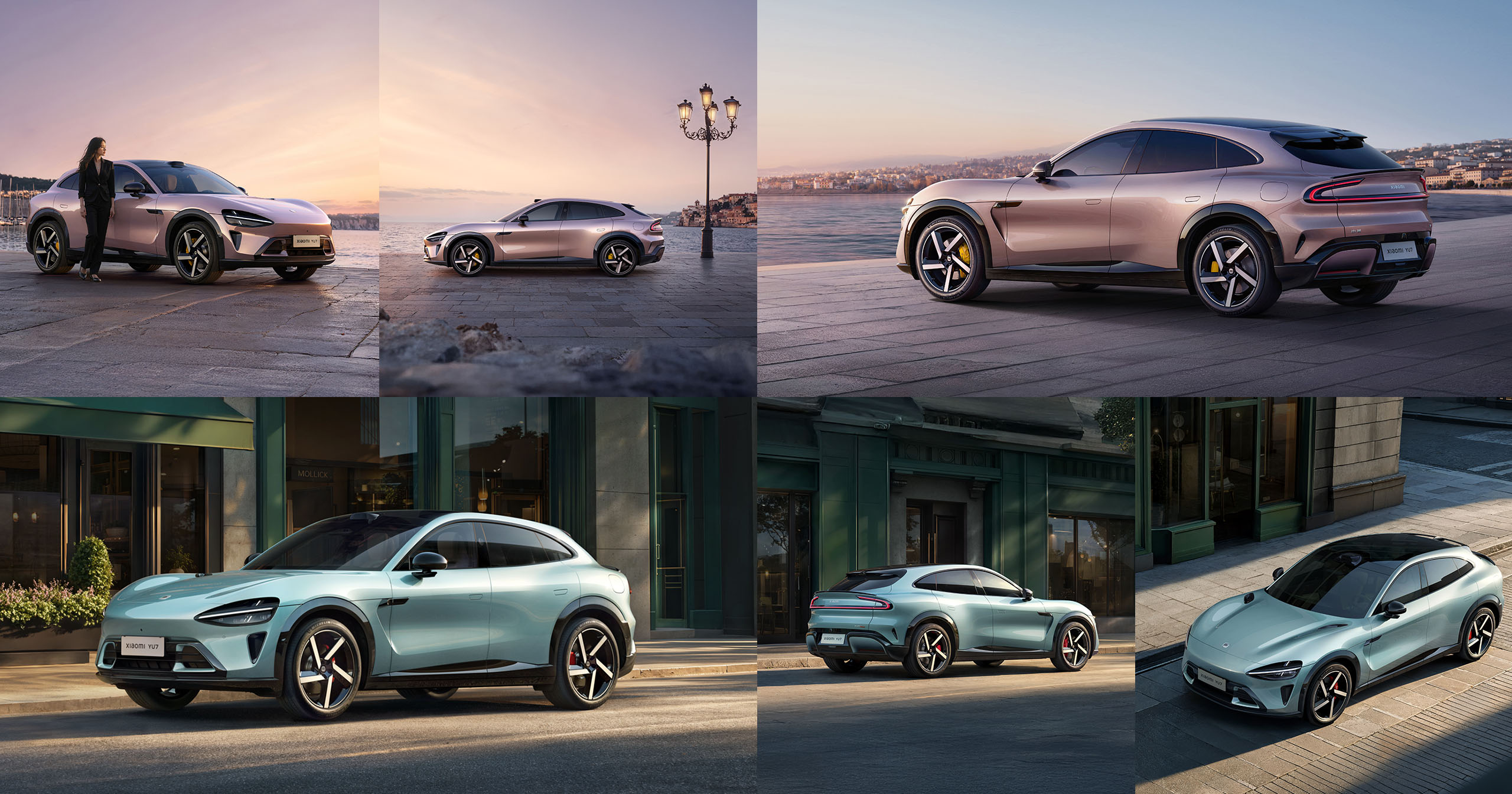
According to official disclosures, Titan Alloy 2.0 has been independently certified by Sweden's IVL Swedish Environmental Research Institute, with a carbon footprint of just 1.1 kgCO₂e/kg — 93% lower than conventional primary aluminum production. The material has been officially registered in the International Environmental Product Declaration (EPD) System.
The manufacturing process comprises five pre-treatment stages plus one precision melting and adjustment step — a total of six key procedures. The resulting alloy ingots feed directly into automated, thousand-ton-class die-casting production lines and undergo internal X-ray inspection to verify mechanical performance. A technical verification committee organized by the China Machinery Industry Federation confirmed that the die-cast components meet dynamic structural safety requirements for full vehicles.
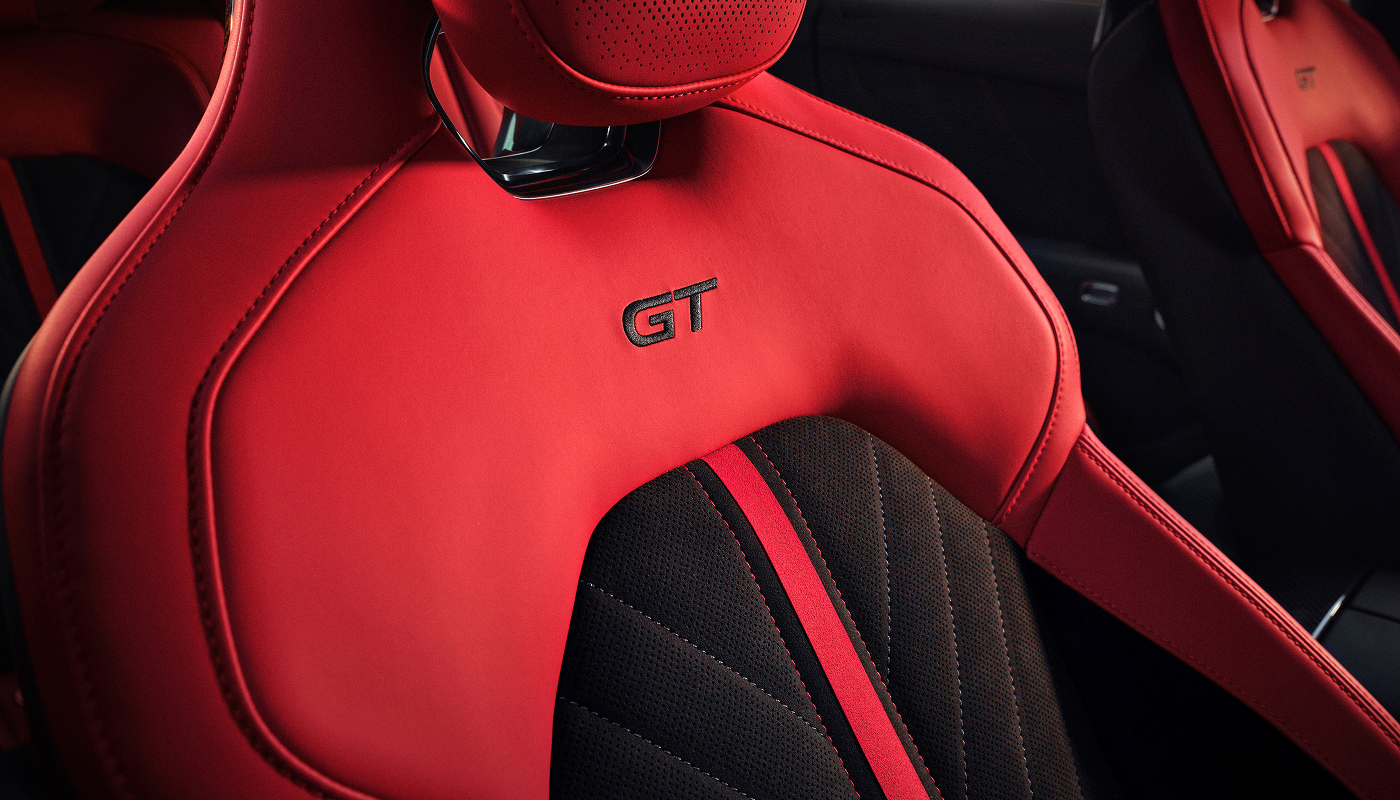
Large-scale adoption of this material delivers substantial environmental benefits: each vehicle equipped reduces carbon emissions by approximately 800 kg. This technological pathway is directly shaping Xiaomi's export strategy for European markets — as the EU's Carbon Border Adjustment Mechanism (CBAM) rolls out, low-carbon structural parts could significantly lower carbon tariff costs for models like the YU7 GT.
Internal company forecasts indicate an annual production target of 550,000 units for next-generation models built on the new platform — translating to roughly 450,000 tonnes of annual CO₂ reduction across the entire system. Meanwhile, May 2026 data shows Xiaomi SU7 sales totaled 24,023 units, down 10.4% month-on-month and 14.2% year-on-year; the new Xiaomi YU7 delivered 8,736 units, accounting for 26.7% of the brand's total monthly sales.

Industry observers note that low-carbon breakthroughs at the materials level are becoming a critical differentiator for Chinese EVs entering global markets. Amid accelerating policy mandates and supply-chain collaboration, large-scale integration of recycled metals into vehicles may reshape global carbon accounting frameworks for electric mobility.
Comments
0 commentsNo comments yet. Be the first!
Post Comment