
Over the past two years, rapid advances in battery energy density, widespread adoption of 800V high-voltage platforms, and accelerated deployment of ultra-fast charging networks have significantly eased range anxiety for battery electric vehicles (BEVs) — 700 km, 800 km, and even longer ranges are now mainstream, with charging times reduced to just over ten minutes. Against this backdrop, the once-defining advantage of range-extended electric vehicles (REEVs) — "zero range anxiety" — is rapidly eroding.
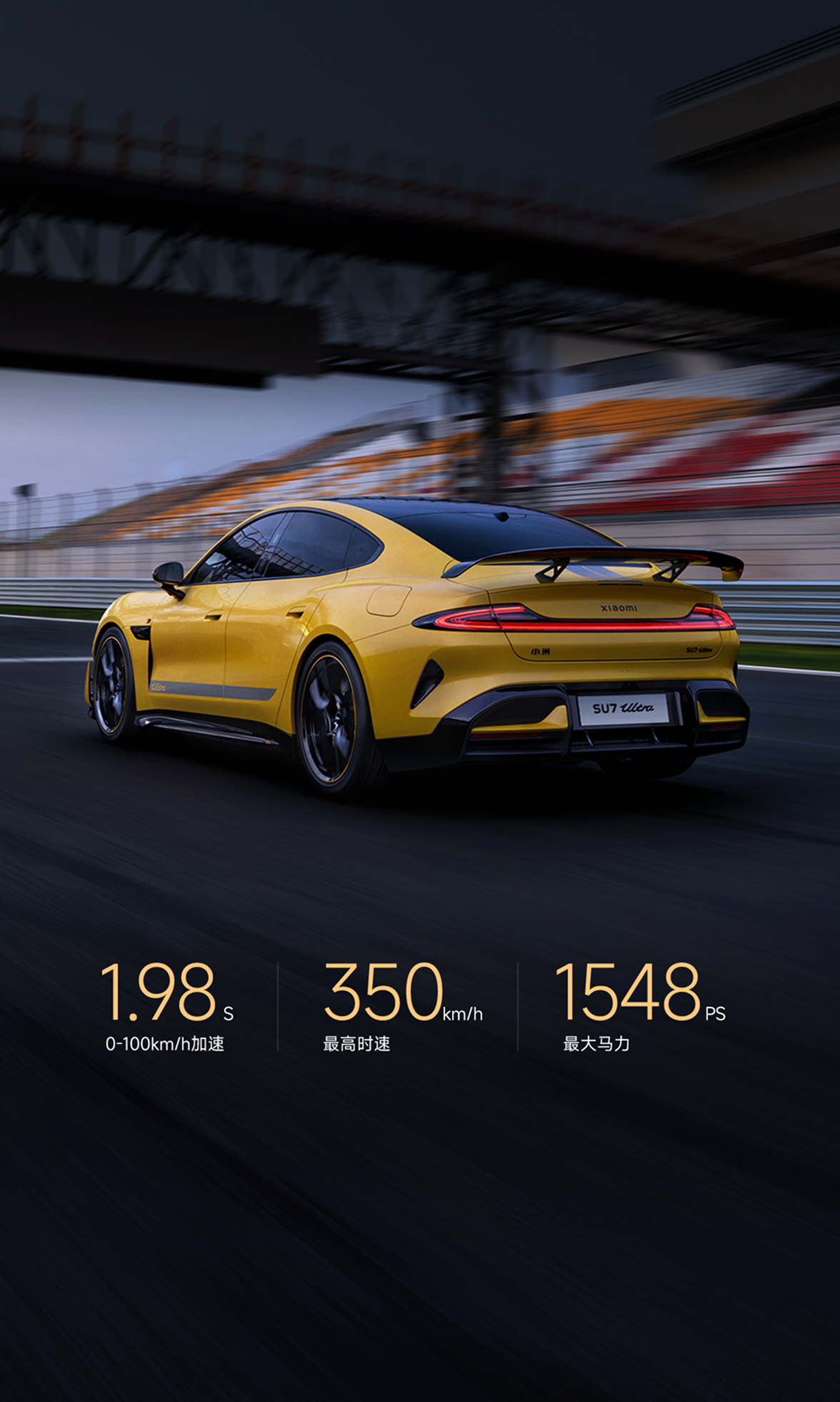
Market feedback reinforces this trend: growth rates for REEVs and plug-in hybrids (PHEVs) are slowing, while consumer acceptance of pure BEVs continues to rise. The competitive logic in new-energy vehicles is shifting — from head-to-head parameter comparisons toward holistic product competitiveness.
Yet Xiaomi remains firmly committed to developing the Kunlun series with range-extended powertrains. Notably, no official details — including specifications, pricing, or launch timeline — have been released; technical direction and product positioning remain unconfirmed and speculative. Industry analysts suggest Xiaomi's move isn't a simple rehash of existing REEV approaches, but rather a strategic decision rooted in differentiated user experience and global market planning.
First, Xiaomi's historical product strategy has consistently emphasized system-level integration — evident in its smartphones, IoT devices, and the SU7 — centered on the philosophy of "going beyond isolated specs to deliver end-to-end user experiences." If realized, the Kunlun series may prioritize dimensions such as intelligent cockpit synergy, full-stack self-developed ADAS compatibility, multi-scenario cabin flexibility, and deep ecosystem interconnectivity — not merely incremental range gains.
Second, domestic market trends do not reflect the global picture. In Europe, the Middle East, Latin America, and parts of Asia, factors — including underdeveloped charging infrastructure, narrow electricity-to-fuel price differentials, and conservative user habits — still make REEVs and hybrids highly practical. Xiaomi began planning overseas expansion from the SU7's inception, and the Kunlun series is widely viewed as a strategic complement targeting markets with diverse energy structures.
In other words, if launched as expected, the Kunlun series would serve a dual role: completing Xiaomi's domestic product matrix — spanning SUVs, performance sedans, and multi-powertrain options — while also acting as a critical validation platform for Xiaomi's global delivery capability and localized adaptation expertise. As the new-energy vehicle segment increasingly fragments, diversity in powertrain strategy itself has become a key moat for industry leaders.
Comments
0 commentsNo comments yet. Be the first!
Post Comment