
On June 13, Xiaomi Auto conducted a live-streamed high-intensity extreme test of its YU7 series at the CATARC Yancheng Test Track. Unlike industry-standard edited videos or cherry-picked performance data, this test was captured in one continuous take—no retakes, no edits. Lei Jun personally sat in the front passenger seat of the YU7 GT, witnessing all 26 rigorous test items in real time—from a top speed of 304 km/h to 50 consecutive emergency stops from 100 km/h, delivering raw, unfiltered data to address market concerns about EV performance headroom and safety boundaries.
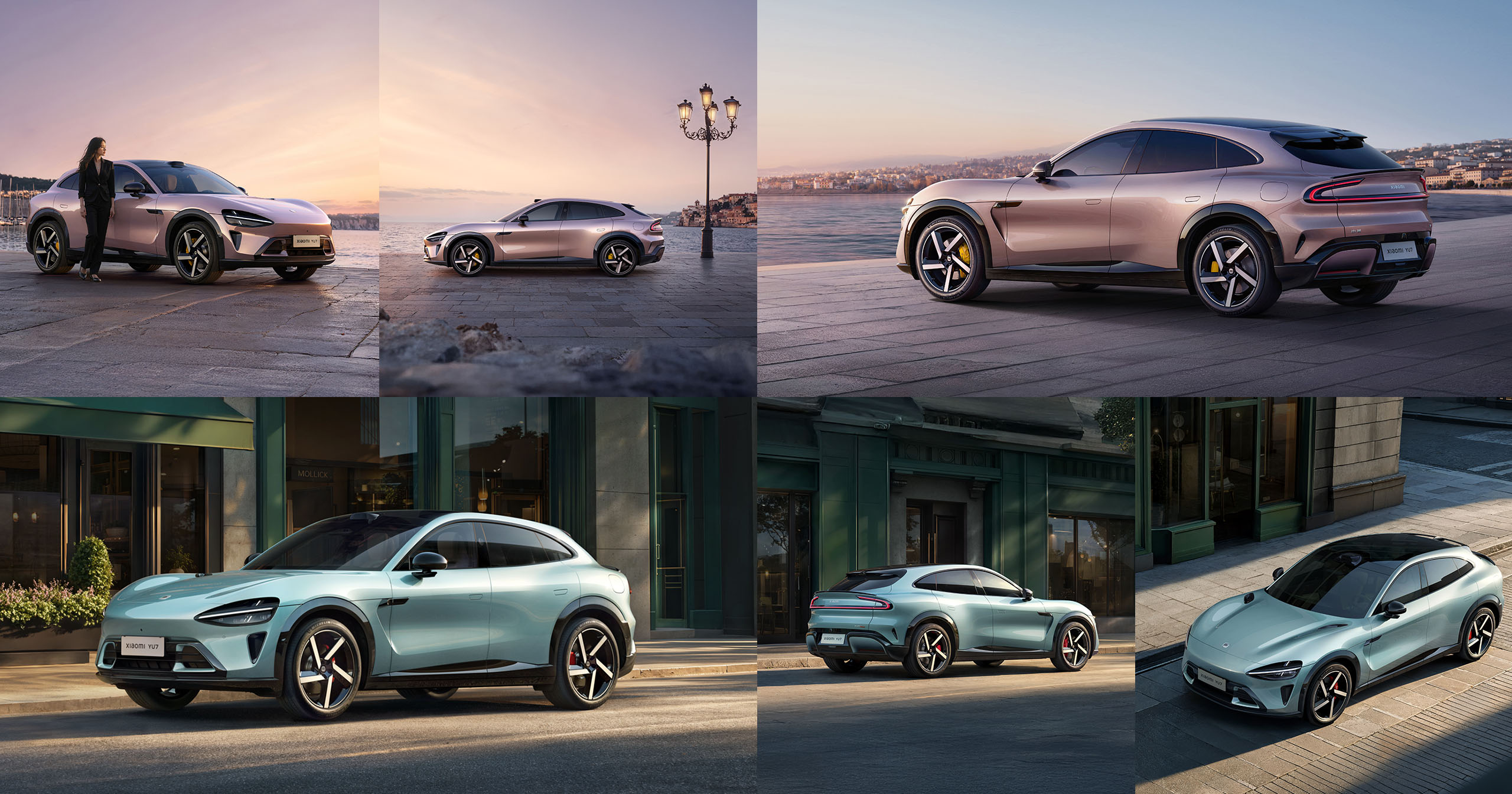
The test focused on two core dimensions: peak performance and safety floor. The YU7 GT features a dual-motor, all-wheel-drive system producing up to 1,003 hp, accelerating 0–100 km/h in just 2.92 seconds, with a verified top speed of 304 km/h. More critically, its mid-speed acceleration—from 80 to 120 km/h—took only 1.31 seconds, a key metric directly tied to highway overtaking responsiveness and active driving safety. On Yancheng’s T7 high-speed oval (7.85 km per lap, 41° banked corners), the vehicle maintained stable body control while sustaining 304 km/h through sustained cornering—validating both chassis tuning and thermal management system redundancy.
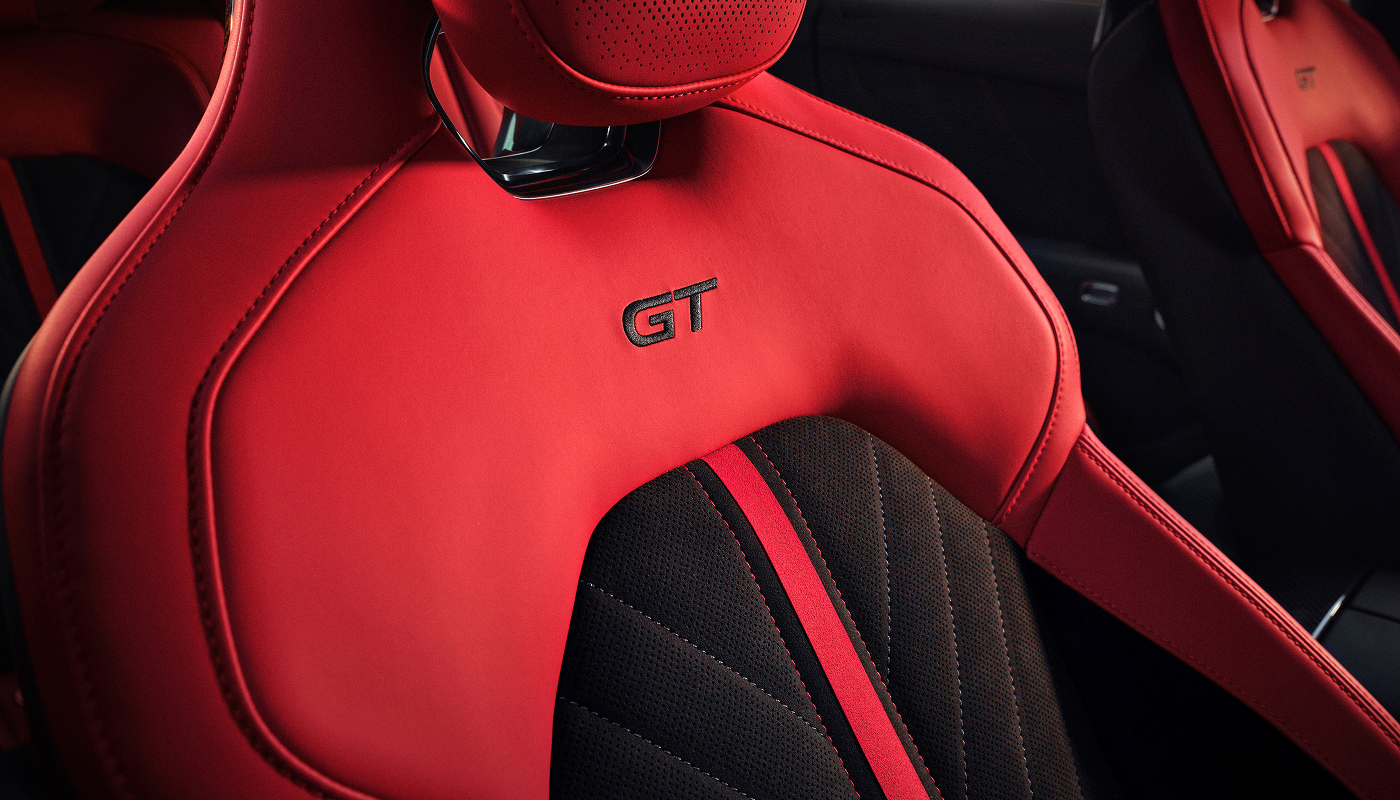
The true engineering commitment shone through the 50 consecutive 100 km/h–0 emergency braking runs. While most automakers perform only 10–20 such tests—and the public record stood at 29—YU7 GT achieved all 50 without stopping for brake cooling. Brake distance increased only marginally: from 33.69 meters on the first stop to 34.28 meters on the 50th—a mere 0.59-meter degradation. This feat is enabled by standard-fit carbon-ceramic brake rotors (heat-resistant up to 1,300°C) and Alcon six-piston front / four-piston rear calipers—hardware rarely offered as standard in this segment. Additionally, the vehicle completed eight full stops from 200 km/h and one full-speed stop from 304 km/h (stopping distance: 306.98 meters), with zero deviation or tail swing throughout.

Beyond powertrain and braking, the YU7 series also passed Belgian paving, broken concrete roads, steep-slope traction recovery, AEB testing across seven extreme scenarios—including rain, night, wet surfaces, and ‘phantom pedestrian’ events—as well as multi-condition NVH evaluation. Dual-layer acoustic glass comes standard across the lineup, and cabin noise at 200 km/h was validated during on-site measurements. During the livestream, Lei Jun emphasized: “ADAS is assistance—not autonomy. The driver remains ultimately responsible,” and reaffirmed that all models ship with full-spec intelligent driving hardware and receive OTA updates simultaneously across the entire fleet.
Behind this test lies Xiaomi Auto’s 800-person testing team, over 35 million kilometers of real-world road testing (equivalent to driving nonstop for 66 years), and systematic validation across China’s harshest environments—including Heihe winter testing, Turpan summer heat trials, Kunlun Mountain high-altitude testing, and Hainan’s high-humidity coastal conditions. At a time when ‘PPT specs’ still dominate the market, pulling a car onto the track—and having its founder ride through the extremes—is the strongest possible statement of product confidence.
Comments
0 commentsNo comments yet. Be the first!
Post Comment