
As a benchmark for smartphone makers entering the EV space, the Xiaomi SU7 has shaken up the market since launch—touting dual identities as a 'performance sedan' and an 'ecosystem-integrated vehicle.' The 2025 model brings updates to its battery, intelligent driving system, and cockpit—but beyond specs and marketing claims, what’s the *real* long-term ownership cost? From design, powertrain, intelligence, pricing, and holistic maintenance logic, we dive deep from a user’s perspective.
Design: Precision and Compromise in Minimalism
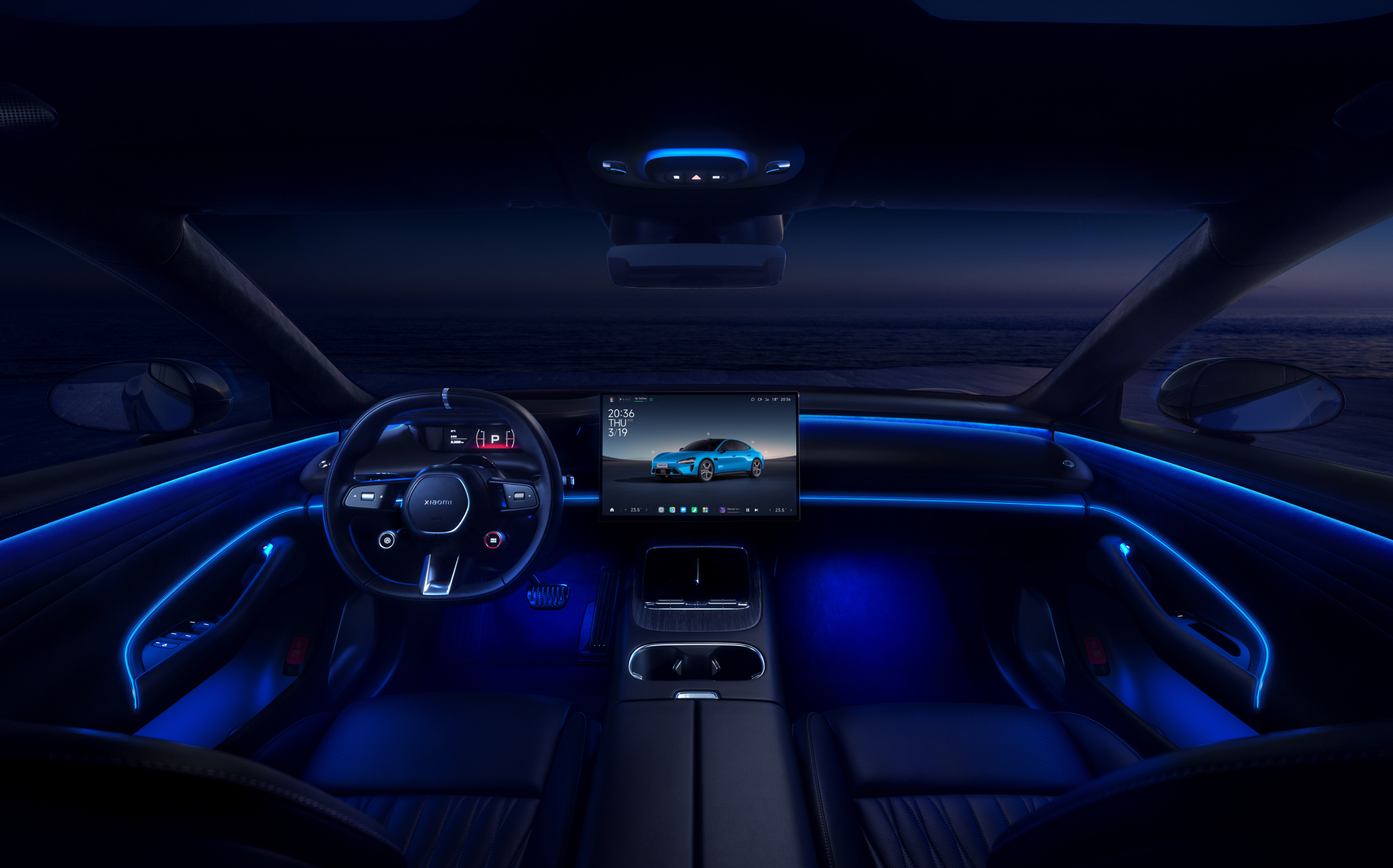
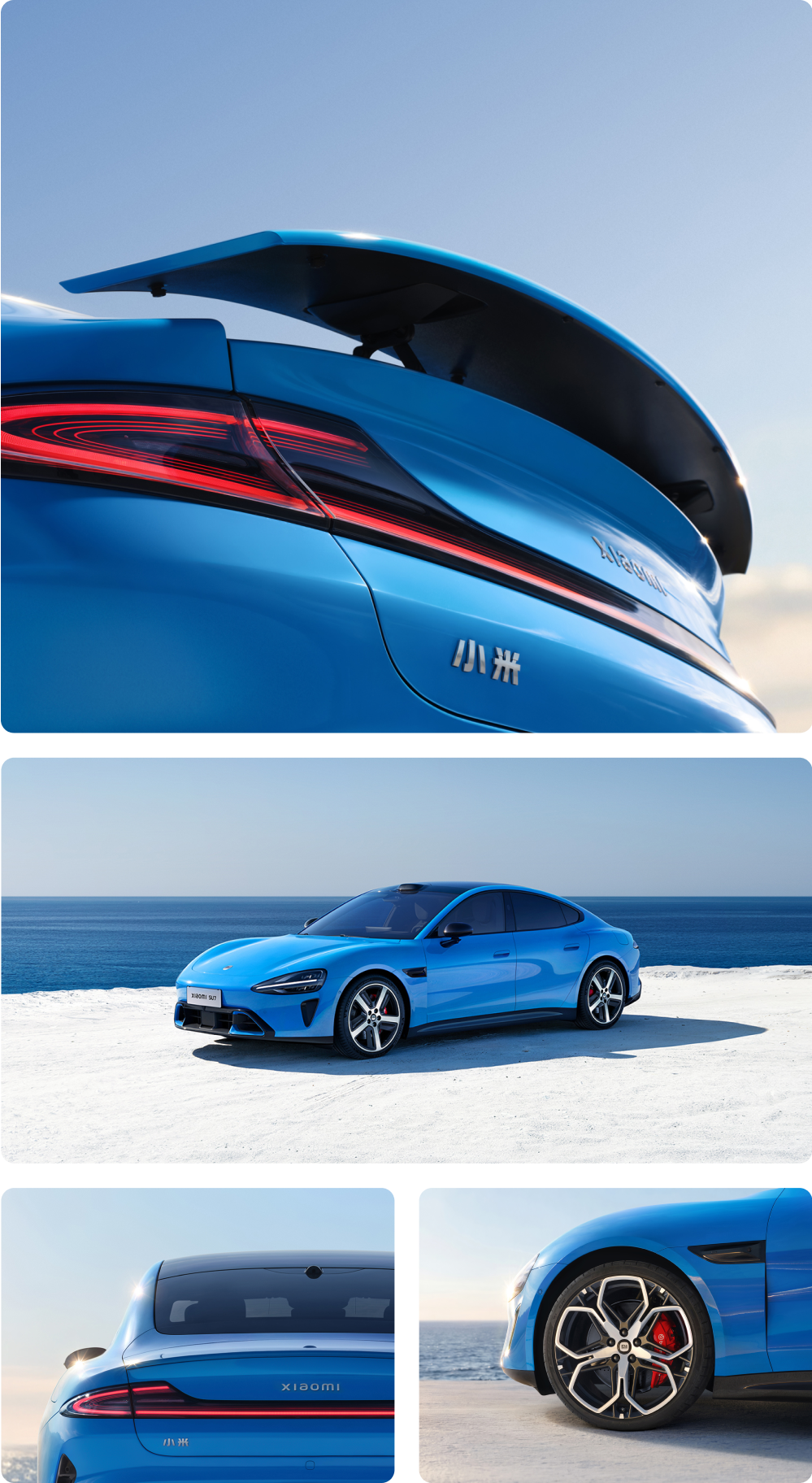
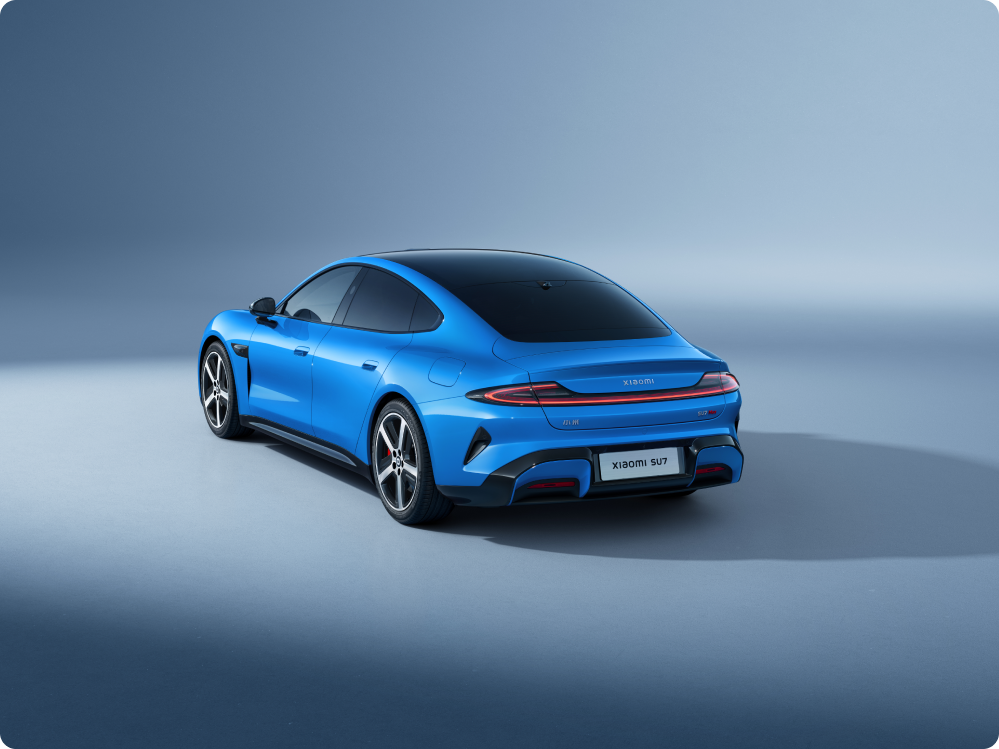
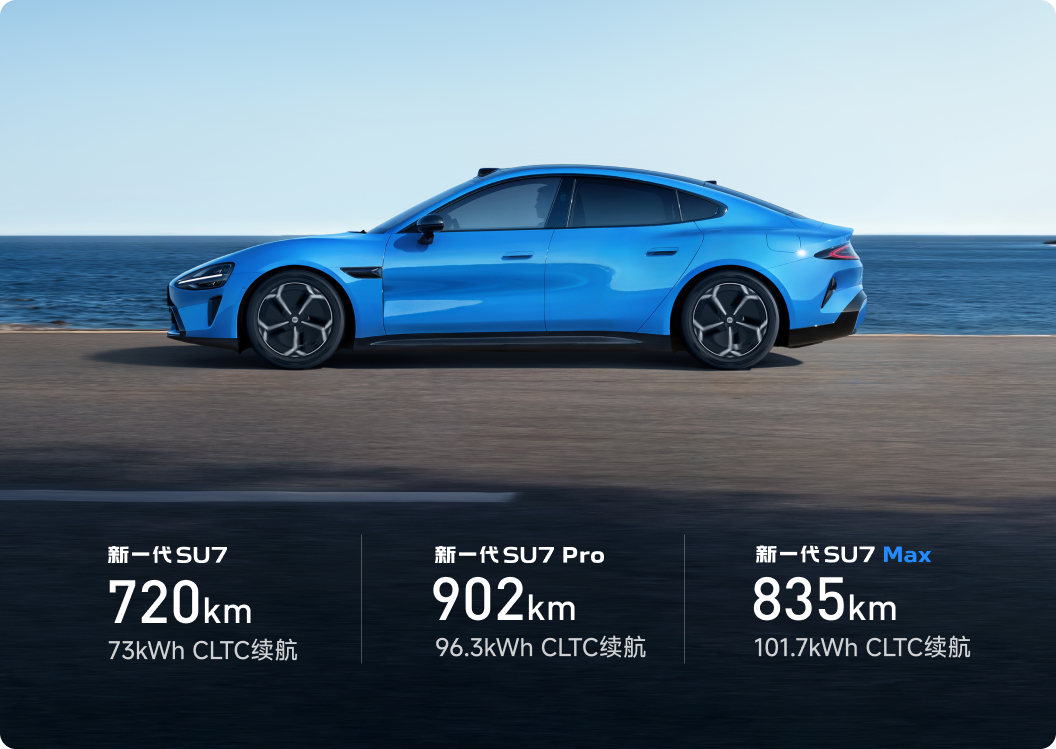
The 2025 SU7 retains its signature sleek fastback silhouette—low-slung front end, frameless doors, and an active rear spoiler. Its sky-blue paint shimmers with fine metallic luster under sunlight. Clean, taut body lines deliver an industry-leading drag coefficient of just 0.195—rare among pure-electric sedans that genuinely balance aesthetics and aerodynamics. Inside, the 'no-physical-buttons' philosophy reigns: a 16.1-inch central display, 7.1-inch digital instrument cluster, and HUD form a seamless triple-screen setup. Blue ambient lighting pulses rhythmically with driving modes—delivering strong tech-driven ceremony.
Powertrain: NMC Battery + 800V Platform—Strong Performance, Slightly Higher Consumption
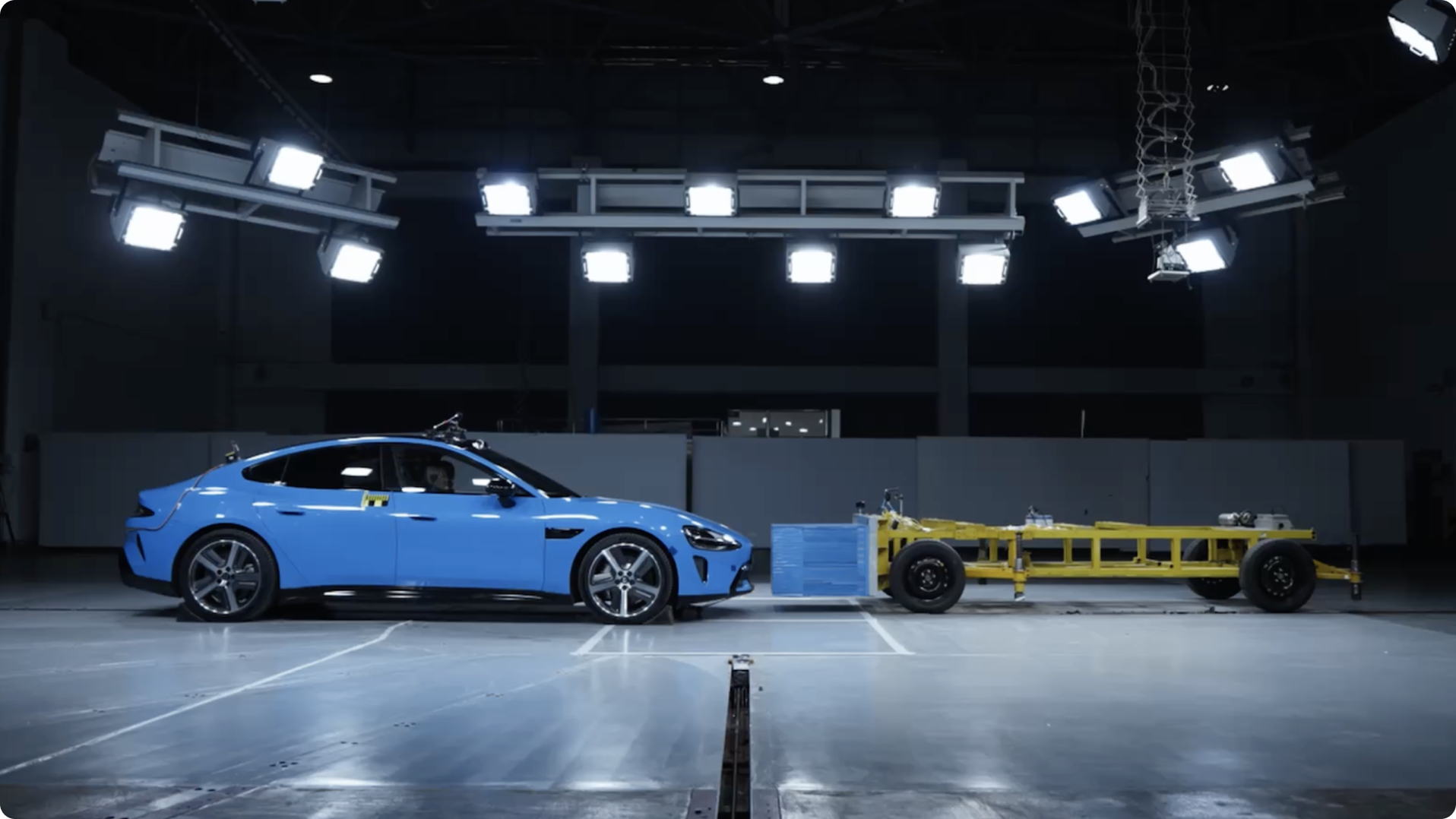
The 2025 SU7’s main variants still use NMC (nickel-manganese-cobalt) lithium-ion batteries (CLTC range: 700 km), paired with an 800V high-voltage fast-charging platform delivering up to 220 kW peak charging power—10%–80% replenishment in ~15 minutes. Real-world testing shows ~14.3 kWh/100 km in city commuting, rising to 16.8 kWh/100 km at 120 km/h highway cruising—slightly higher than the Lynk & Co 10 (13.1 kWh) and XPeng P7 (13.8 kWh). This reflects the inherent trade-off of NMC chemistry: superior energy density versus cycle-life longevity. After three years of frequent use, battery health is projected to remain around 92% (vs. >95% for LFP competitors), meaning steeper long-term degradation—and potentially higher out-of-warranty battery replacement costs.
Intelligence: Xiaomi Pilot Evolves—But Hidden Costs Add Up
The 2025 SU7 comes standard with LiDAR sensors and NVIDIA Orin-X chips. Urban NOA is now available in over 100 Chinese cities; automated parking supports angled and dead-end spaces. The cockpit deeply integrates Xiaomi’s ecosystem: CarWith connectivity enables seamless handoff of phone notifications, calendars, and music; voice assistant handles multi-turn commands and cross-app execution. However, due to heavy customization, core modules—including the intelligent driving domain controller and motor controller—are not yet open to third-party repair authorization. Labor rates and parts markups at authorized service centers are notably higher than those of traditional automakers. One Suzhou owner reported a ¥480 charge for remote diagnostics plus local firmware re-flashing after a failed OTA update—well beyond typical software maintenance fees.
Pricing & Ownership Cost: Starting at ¥219,900—Long-Term Value Needs Careful Calculation
The official price range for the 2025 SU7 is ¥219,900–¥299,900. No LFP-entry variant is offered yet. Compared to similarly priced rivals—the Lynk & Co 10 (from ¥209,800, with ‘Godshield Golden Brick’ battery), XPeng P7 (from ¥209,900, all-LFP), and AITO Z7 (from ¥219,800, Huawei intelligent driving)—the SU7 holds no pricing advantage at purchase. More critically, long-term ownership costs are higher: faster NMC battery degradation, proprietary parts premiums of ~15–25%, and limited service coverage—by Q2 2026, authorized centers remain concentrated in Tier-1 and Tier-2 cities (under 60% coverage in Tier-3+). Over an 8-year / 160,000-km ownership horizon, total estimated ownership cost for the SU7 is ~¥12,000 higher than the Lynk & Co 10—mainly driven by potential post-warranty battery replacement and premium-part repairs.
Conclusion: Best for Tech-Forward Buyers—Practical Families May Wait
The Xiaomi SU7 isn’t a ‘low-hassle, low-cost’ utility car—it’s a smart mobility terminal built on smartphone logic. With top-tier hardware stacking, ecosystem synergy, and bold design language, it redefines the experience ceiling for sub-¥200,000 pure-electric sedans. But the trade-offs are real: higher hidden ownership barriers, longer service response times, and implicit expectations of technical tolerance from users. If you prioritize cutting-edge interaction, enjoy co-creating with the brand, and plan to upgrade within 3–5 years, the SU7 is highly compelling. Yet for buyers prioritizing 8+ year ownership, family-first practicality, and predictable long-term costs, the Lynk & Co 10 or XPeng P7 remain more balanced choices.
Comments
0 commentsNo comments yet. Be the first!
Post Comment