
Mercedes-Benz’s first all-electric MPV—the VLE—is accelerating its transition from global blueprint to localized production in China. On June 12, the model officially rolled off the line at Mercedes-Benz’s Vitoria plant in Spain; last week, global media completed their first drive evaluation. Per current plans, the China-made version will enter production at Fujian Benz’s Fuzhou base by the end of 2026.
This timeline reflects solid infrastructure progress: Fujian Benz’s new production line received National Development and Reform Commission (NDRC) approval in March 2024, passed environmental review in December 2024, and completed its first steel structure hoisting in March 2025. The project carries a total investment of RMB 4.5 billion, including construction of a new body shop No. 2 and a parts sorting center, plus intelligent upgrades to existing paint and assembly lines—representing deep technical modernization, not a greenfield factory. Environmental assessments explicitly state: no additional capacity will be added, maintaining the annual output cap at 40,000 units; the VLE will share flexible production lines with the current V-Class and Vito models, with scheduling determined by overall resource allocation.
The VLE is built on Mercedes-Benz’s dedicated all-electric VAN.EA architecture and features an 800V high-voltage platform across all variants. Two powertrain options launch initially: the front-wheel-drive VLE 300 (single motor, 200 kW), offering over 700 km WLTP range; and the VLE 400 4MATIC (dual-motor AWD, 305 kW), achieving 0–100 km/h in 6.5 seconds. Batteries use a 115 kWh ternary lithium pack supporting peak charging speeds above 300 kW—enabling up to 355 km of range replenishment in just 15 minutes. An 85 kWh LFP battery variant will follow to broaden entry-level appeal.
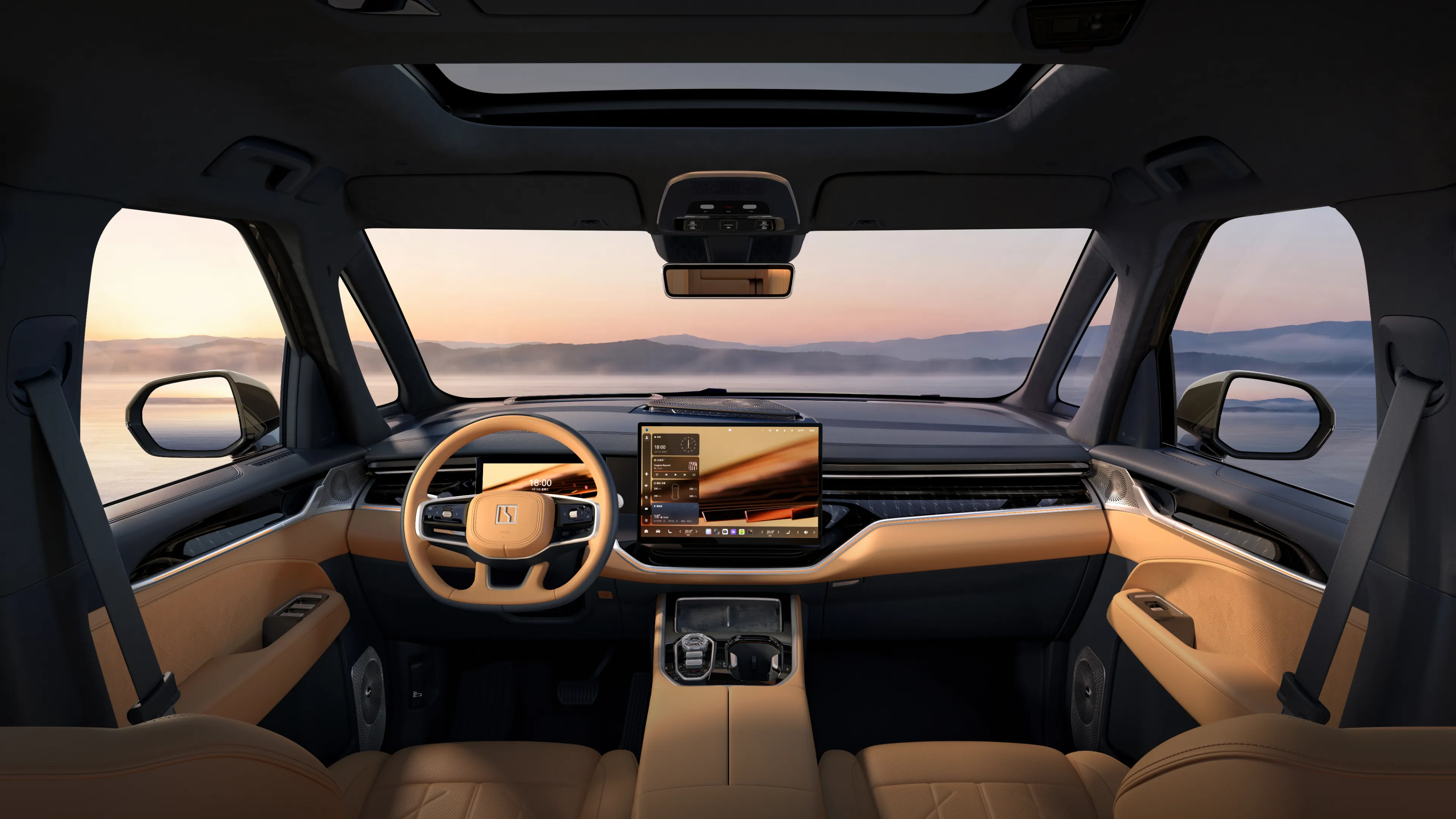
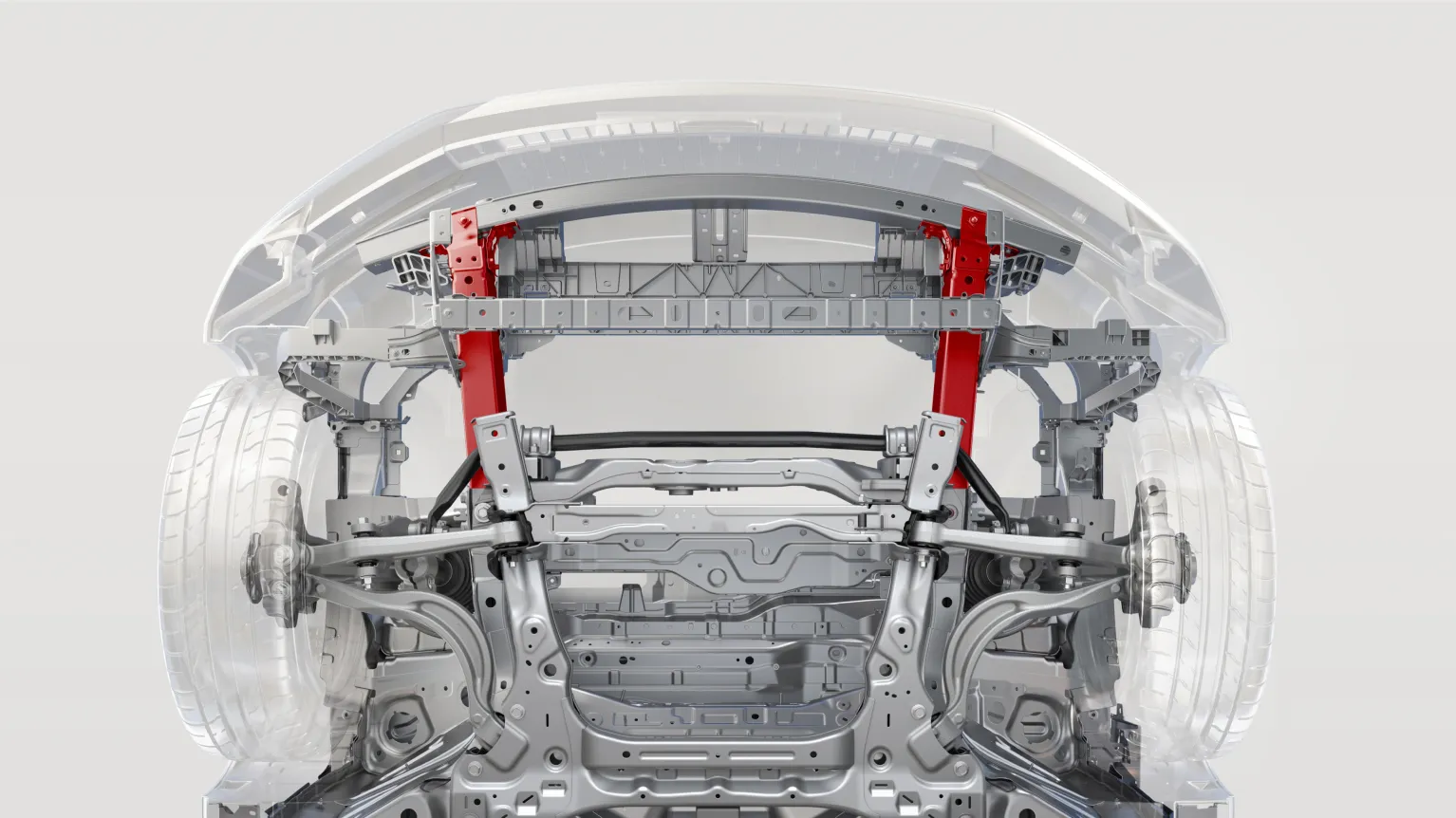
Chassis-wise, every VLE comes standard with AIRMATIC air suspension and a bi-directional 7° rear-wheel steering system—delivering a remarkably tight 5.45-meter turning radius. For an MPV measuring 5.3 meters long, this agility surpasses many compact SUVs. The cabin features a triple-screen interface, while the rear offers a 31.3-inch 8K ceiling-mounted display. Seating supports up to eight occupants, with modular, detachable seats equipped with rollers for easy reconfiguration—balancing business and family use cases.
Does localization mean compromise? Dr. Ziegen, Head of R&D at Mercedes-Benz, responded: “No compromise on quality—but we’ll leverage high-quality local suppliers extensively to enhance price competitiveness.” However, the ADAS solution is expected to shift to Momenta’s localized stack, range testing will switch from WLTP to CLTC standards, and flush door handles will be redesigned to comply with Chinese regulations.
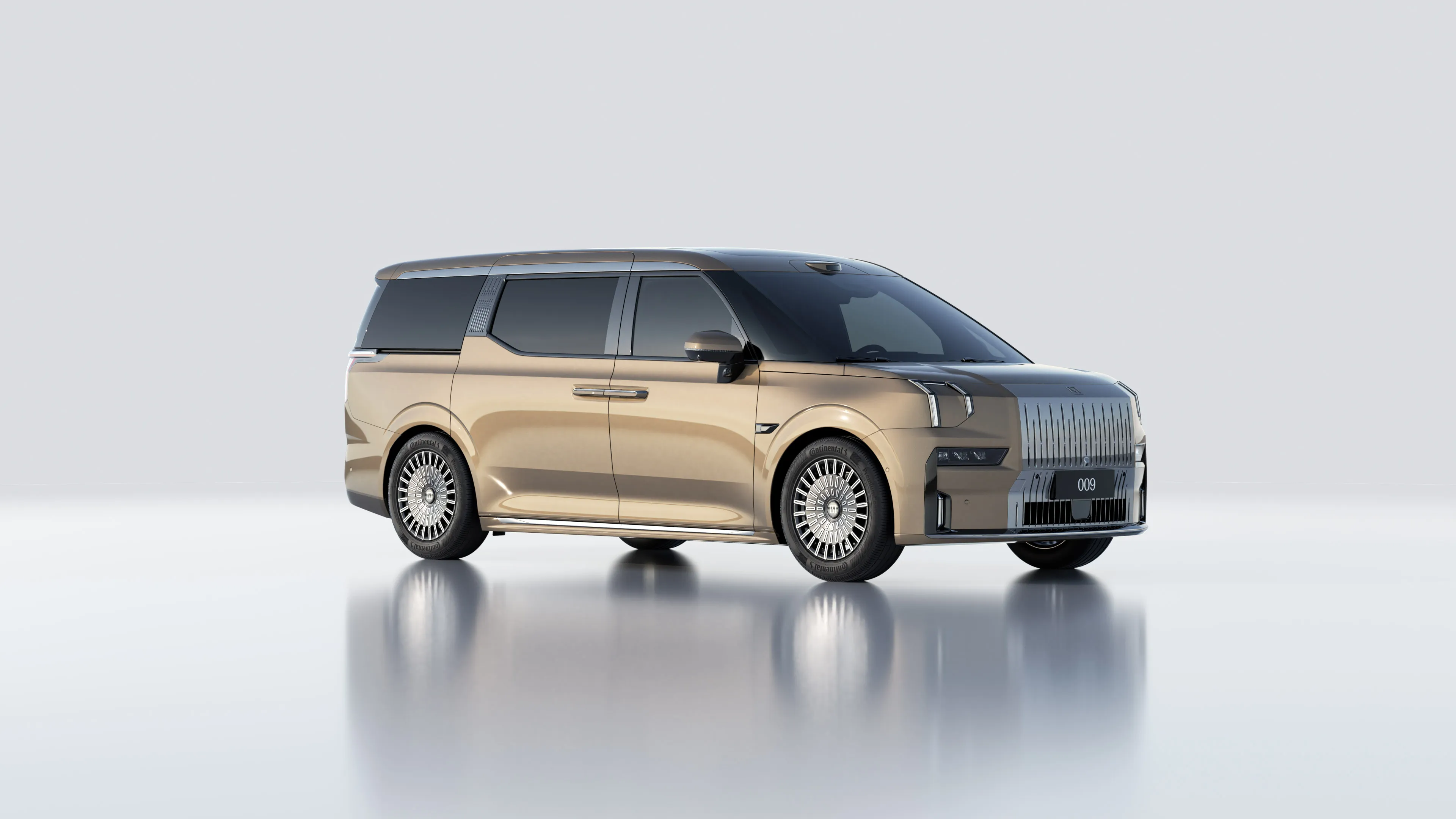
Pricing will be decisive. In Germany, the VLE 300 launch edition starts at ~€82,000 (approx. RMB 640,000). Industry consensus forecasts the China-made VLE will debut between RMB 400,000–600,000, squarely targeting the core price bands of DENZA D9, Zeekr 009, and XPeng X9. Competitors have already saturated the RMB 300,000–500,000 segment with feature-rich offerings. Mercedes-Benz’s moat lies in the three-pointed star brand premium and chassis tuning expertise—but if domestic rivals keep raising the spec bar while lowering entry thresholds, whether that badge alone can sustain the premium remains the ultimate test.
Comments
0 commentsNo comments yet. Be the first!
Post Comment