
On September 1, Lexus officially released official images of the 2026 NX mid-cycle refresh. As a globally popular midsize luxury SUV, the NX series had sold approximately 1.9 million units across more than 90 countries and regions as of July 2026. This update focuses on design language evolution, cabin intelligence enhancements, and powertrain innovation — though no China-market launch plan has been announced, nor has a U.S. sales timeline been confirmed.
Sharper Styling, Minor Dimensional Tweaks
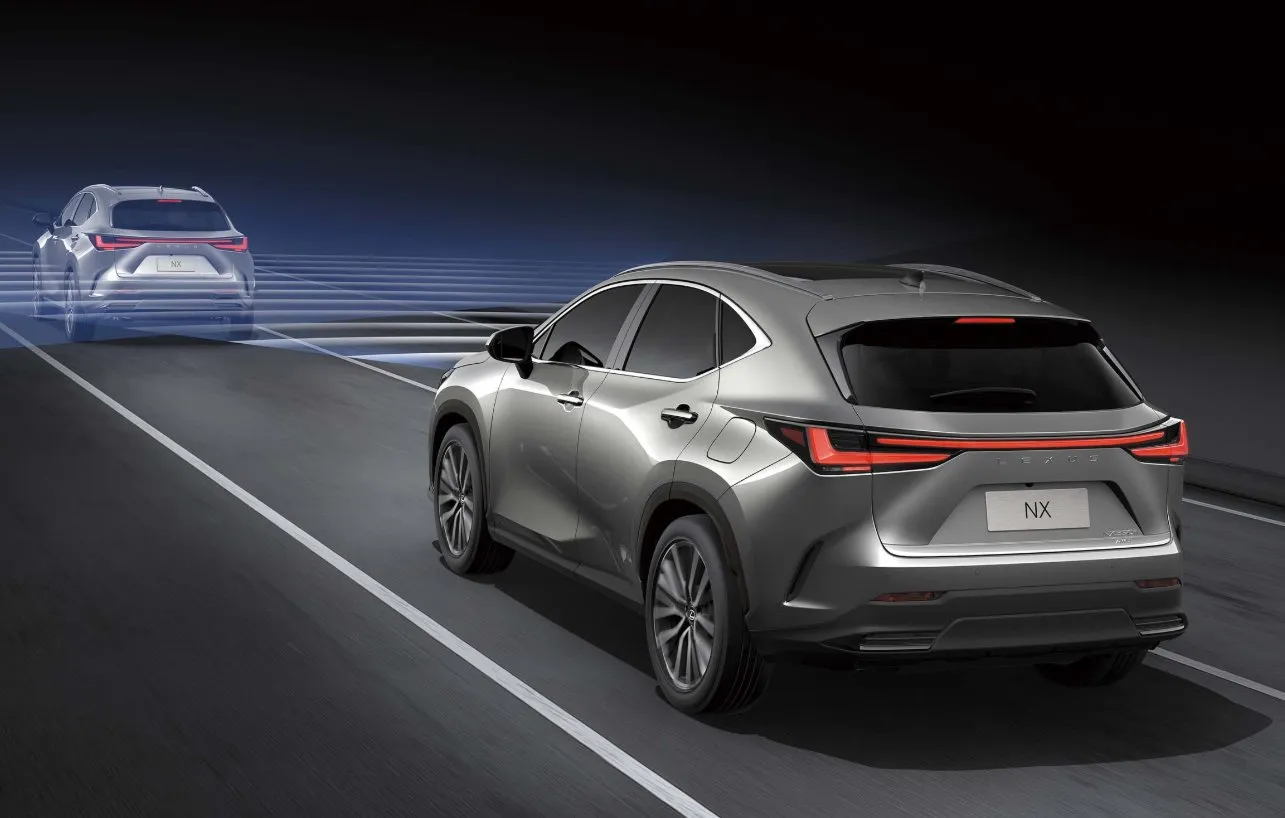
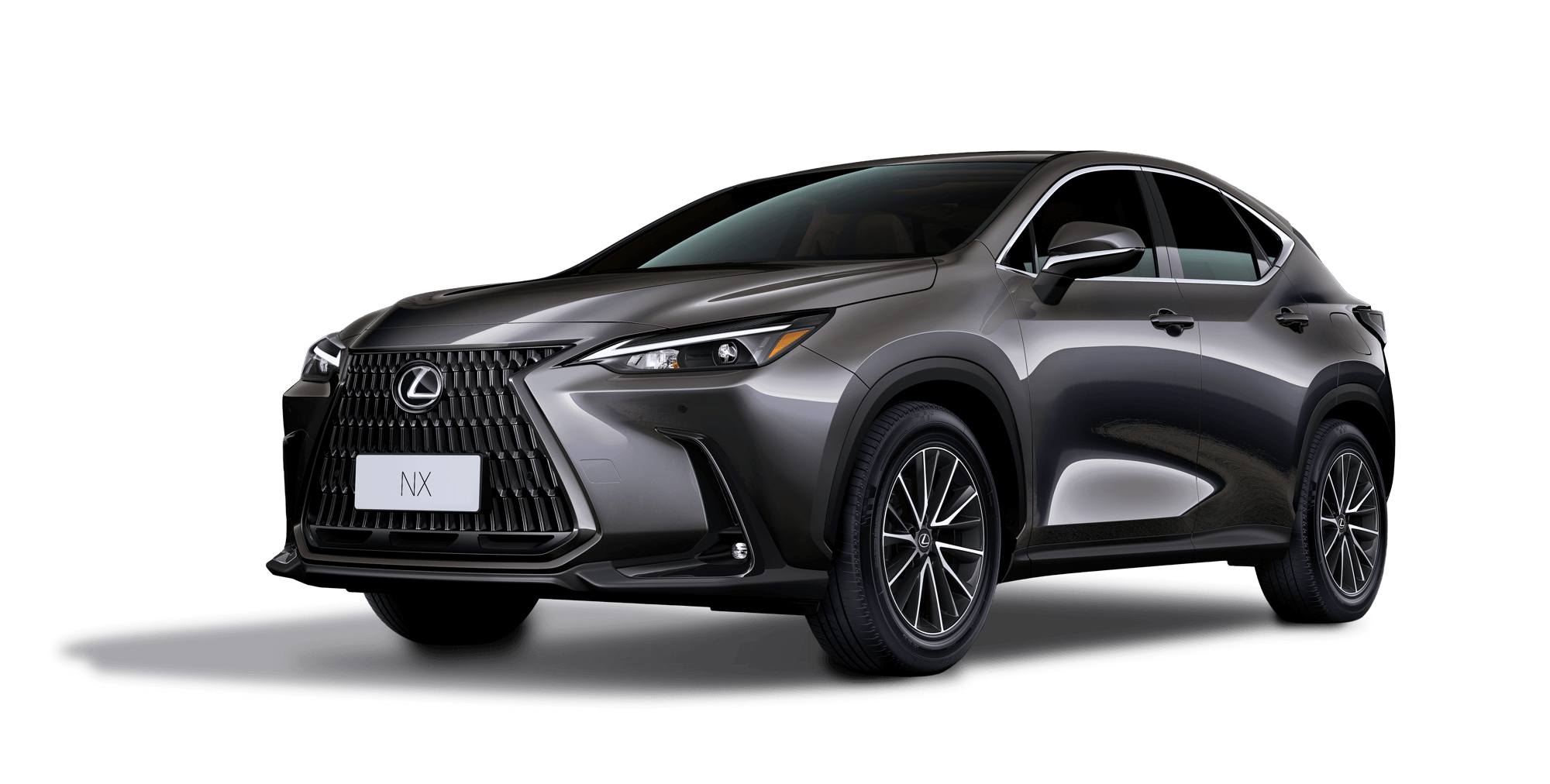
The new model retains the 'Vital x Tech' design Everus, featuring a frameless spindle grille and optically refined LED headlamps. The F-Sport variant comes standard with new 20-inch wheels, red brake calipers, and an exclusive aerodynamic body kit. While the side profile remains largely unchanged, revised bodywork increases overall length by 30 mm to 4,690 mm; wheelbase (2,690 mm), width (1,865 mm), and height (1,660 mm) remain unchanged. Multiple new exterior colors are added, and wheels are offered in 18- and 20-inch sizes — eliminating the previous 19-inch option.
The rear features a black spoiler integrated with a high-mounted stop lamp and a rear-window wiper. Tail lamps adopt a dual-L light signature and incorporate an illuminated Lexus logo, lowering the visual center of gravity and boosting brand recognition.
Fully Redesigned Cabin, Elevated Tech Experience
The interior is the centerpiece of this refresh: instrument panel, center console, and digital instrument cluster have all been completely redesigned — drawing strong stylistic cues from the latest ES sedan and TZ battery-electric SUV. The cabin features a 14-inch central touchscreen and a 12.3-inch fully digital instrument display. HVAC and camera controls are now capacitive touch panels mounted above the air vents. Steering wheel diameter is reduced by 0.39 inches, with extended telescopic travel; seat mounting positions are lowered for a lower seating posture, better aligned with the vehicle's center of gravity. In Europe, standard cargo volume is 546 L, with an additional 26 L of storage beneath the dual-layer floor.
European models offer four trim levels — Business, Executive, Luxury, and F Sport — with higher trims including rear-seat heating, premium leather upholstery, a digital rearview mirror, HUD head-up display, and a 17-speaker Mark Levinson audio system. Even the base trim includes full-LED headlights, power-heated front seats, a power-adjustable steering wheel, and a power liftgate.
Sixth-Generation Hybrid System Debuts, 140 km All-Electric Range
The powertrain sees a pivotal upgrade: both the NX 350h and NX 450h+ now adopt Lexus's sixth-generation hybrid system. The 350h pairs a 2.5L naturally aspirated engine with an electric motor, using the same lithium-ion battery as the ES 350h — now lighter and with improved thermal management — for a combined output of 199 hp. The 300h continues with its existing 2.0L hybrid setup. The plug-in hybrid NX 450h+ employs a 2.5L engine plus dual-motor architecture, delivering a combined 303 hp. Its battery capacity increases from 18.1 kWh to 23 kWh, enabling a WLTC all-electric range of 140 km — and supporting DC fast charging, with 10–80% state-of-charge achieved in just 30 minutes.
Notably, only the 350h and 300h hybrid variants are expected for the Chinese market; the U.S. will continue offering the 2.4T gasoline version (max output 275 hp). All variants pair with an ECVT continuously variable transmission. The 450h+ comes standard with AWD, while the 350h offers FWD or AWD options. Towing capacity is uniformly raised to 1,500 kg across all versions.
Chassis & Refinement Also Evolved
Under the chassis, the engine block structure has been redesigned for increased rigidity, and sound-absorbing materials have been added at multiple locations — including the rear bumper, rear doors, and B-pillars — reducing engine and road noise by roughly 20%, per official claims. Overall floor stiffness improves by 25%; integrating the front suspension tower brace with the A-pillar boosts local rigidity by 30%, enhancing steering response and vibration suppression. Throttle pedal feel and steering calibration have also been fine-tuned.
Comments
0 commentsNo comments yet. Be the first!
Post Comment