
A structural contradiction has long plagued China's premium new-energy vehicle market: core chassis technologies — such as line-control steering and high-voltage platforms — that define a vehicle's long-term usability are typically reserved for top-tier trims, forcing consumers to pay tens of thousands of yuan in premium to access them. IM LS9 Hyper's launch marks a turning point in this dynamic.
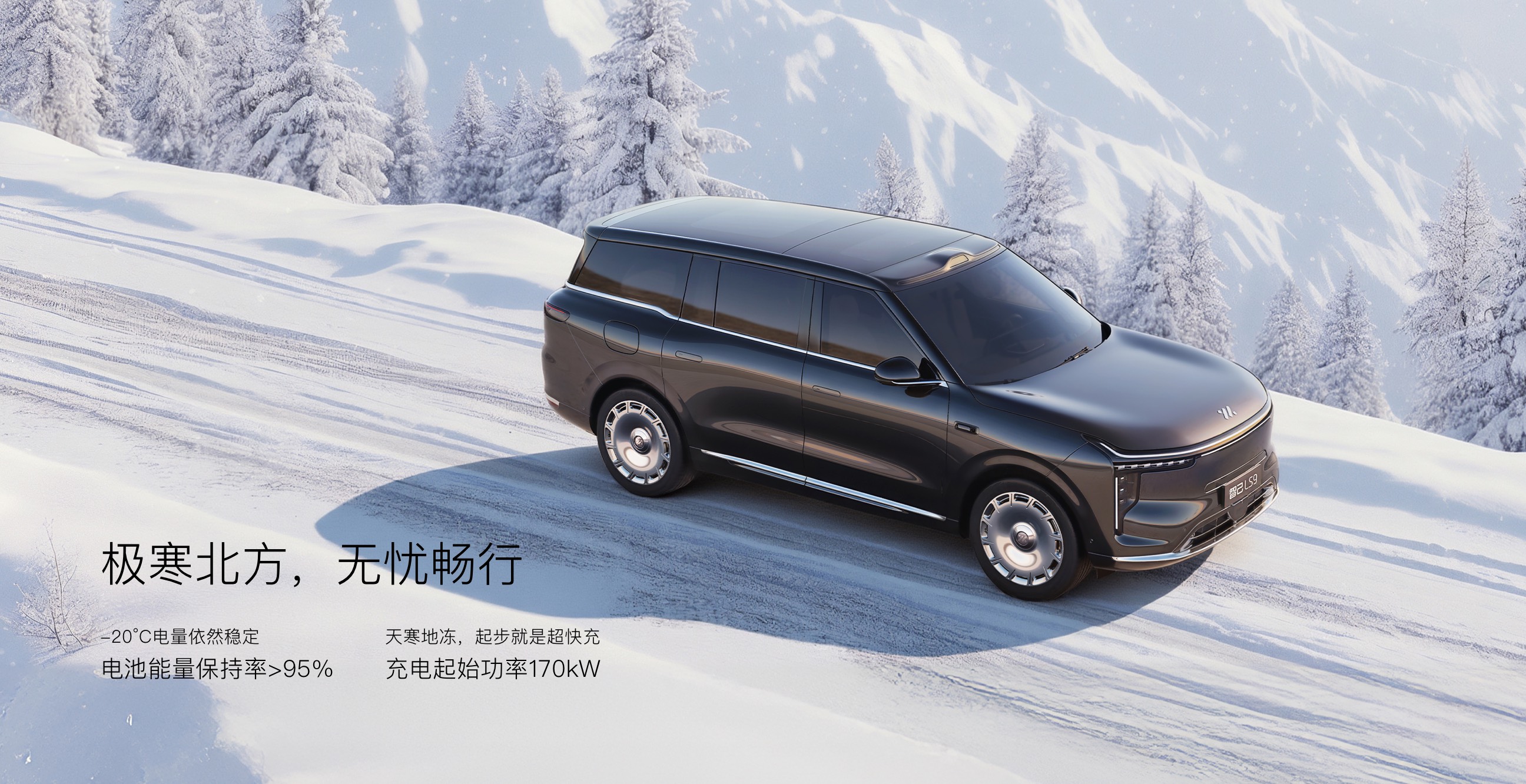
As the milestone vehicle marking SAIC Motor Group's cumulative production and sales surpassing 10 million units, IM LS9 Hyper refuses to convert technological sophistication into consumer barriers. Instead, it features a full-line-control four-wheel steering system compliant with the national standard for line-control steering — effective July 1, 2026 — across all trims. The 52 Ultra trim starts at just ¥319,800; other variants begin at ¥349,800 and also include this technology, bringing million-yuan-luxury-car-level chassis capability down to mainstream family buyers for the first time.
The system employs aviation-grade triple safety redundancy, achieving a reliability rating of 10 FIT, with signal response time as low as 20 milliseconds. Coupled with bidirectional 24-degree four-wheel steering, it reduces the turning radius of the LS9 Hyper — over 5.2 meters long — to just 4.77 meters, significantly enhancing maneuverability in narrow city streets and tight parking lots. It also integrates a dual-chamber air suspension with 150 mm travel and a predictive body control system that actively smoothes bumps and suppresses roll — laying complete hardware groundwork for L3-level advanced intelligent driving.
Under its 'New Big Three' architecture, the LS9 Hyper adopts the "stellar" Extended-Range Platform operating across the entire vehicle at 800 V, equipped with a 66 kWh battery delivering a CLTC all-electric range of 390 km and a combined range of 1,460 km. Its tri-motor version delivers peak torque of 730 N·m and achieves sub-3-second 0–100 km/h acceleration. On the intelligence front, it features a 520-line LiDAR, NVIDIA Thor chip, and jointly developed algorithms with Momenta — enabling map-free NOA (Navigate on Autopilot) and an intelligent gaze-tracking mode that dynamically enhances perception.
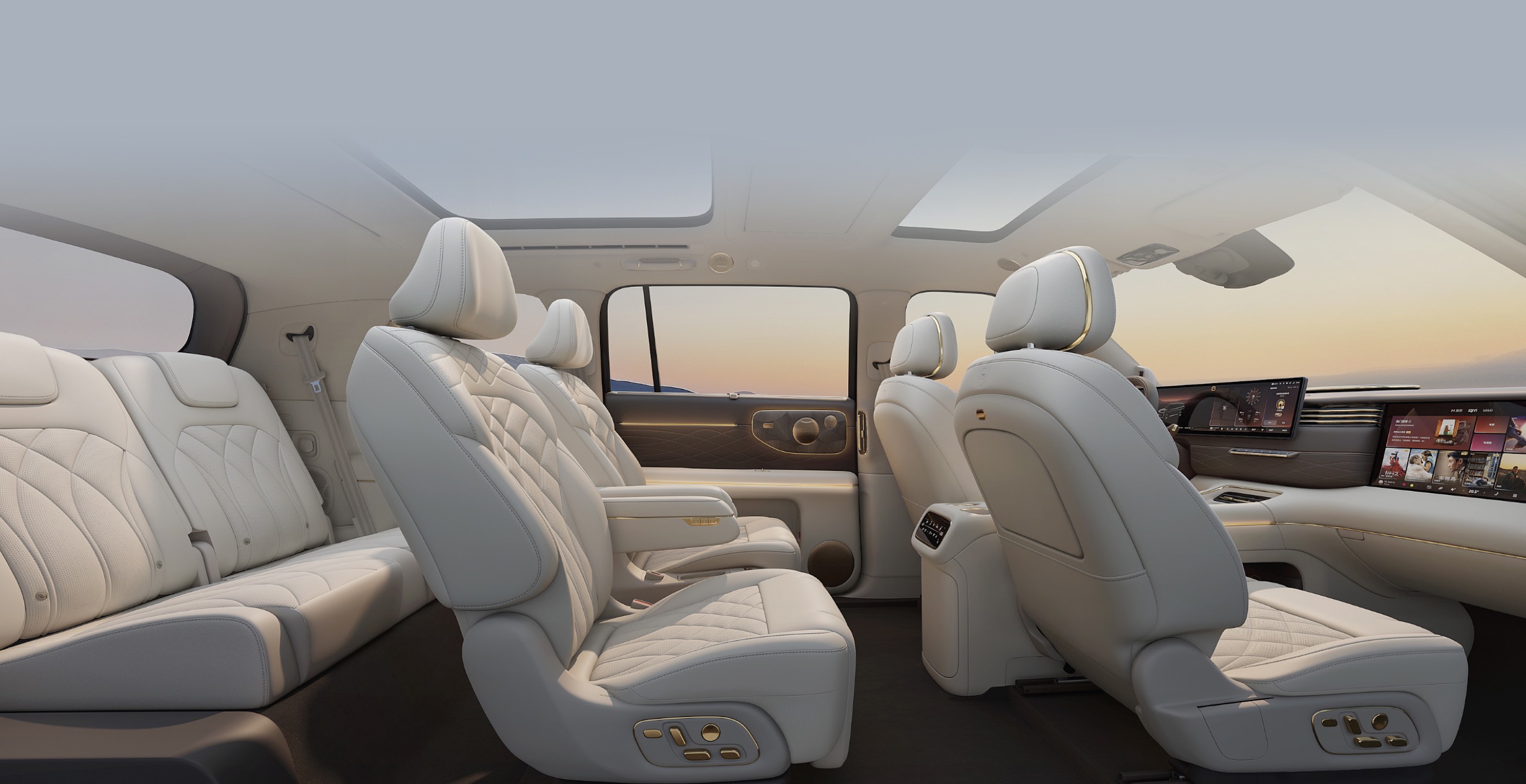
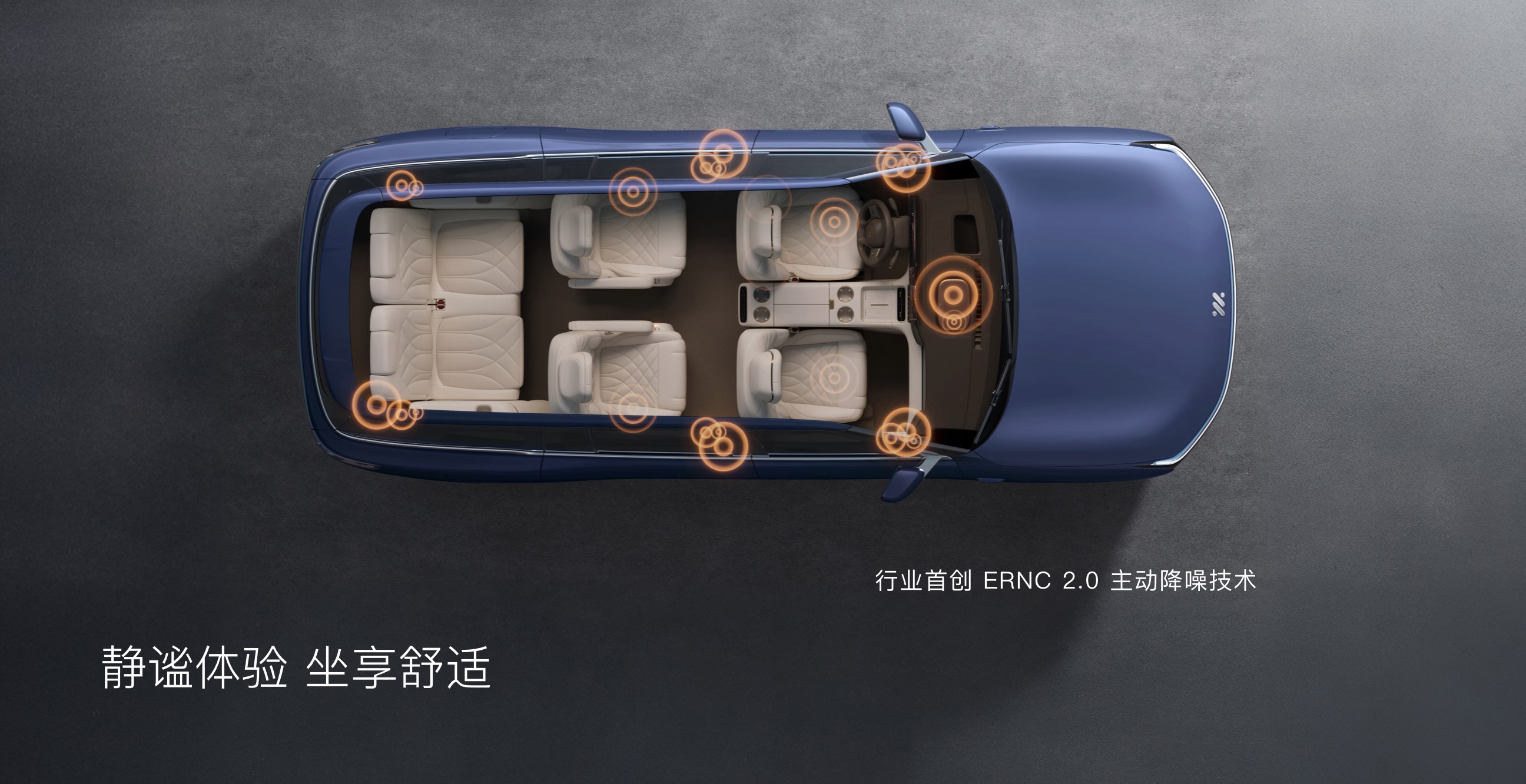
As a six-seat flagship SUV, the LS9 Hyper offers 86% interior space utilization, MPV-class legroom in the second row, a world-first 4D mechanical massage seat, B&O audio, in-car floor heating, a 12.3-liter heated/cooled storage compartment, and a 4K entertainment screen for rear passengers. Its submarine-style body structure — built with hot-formed boron steel across ten longitudinal and eleven transverse sections — has earned a C-NCAP five-star safety rating, meeting diverse needs from business hospitality and multi-child family travel to solo commuting.
Industry observers note that the LS9 Hyper's significance extends beyond its product specs: it signals that Chinese homegrown brands have moved past feature stacking toward defining automotive standards at the foundational level — driving technology democratization through proprietary R&D standards. This shift may accelerate adoption of line-control steering and 800 V platforms as standard equipment on mid-tier flagships, reshaping long-term value competition in the new-energy vehicle market.
Comments
0 commentsNo comments yet. Be the first!
Post Comment