
On August 24, Xpeng Group released its second-quarter 2026 financial results. Total vehicle deliveries reached 103,295 units, up 64.8% quarter-on-quarter; total revenue amounted to RMB 19.74 billion, up 51.5% quarter-on-quarter and 8.0% year-on-year; gross margin improved to 20.7%, up 3.4 percentage points year-on-year, with automotive gross margin at 12.1%. As of June 30, the company's cash reserves stood at RMB 40.48 billion.
Revenue structure continued optimizing: automotive sales revenue totaled RMB 17.05 billion, while services and other revenue reached RMB 2.7 billion, up 93.9% year-on-year. This growth was driven primarily by increased technology R&D service revenue provided to other automakers, as well as expanded sales of components and accessories.
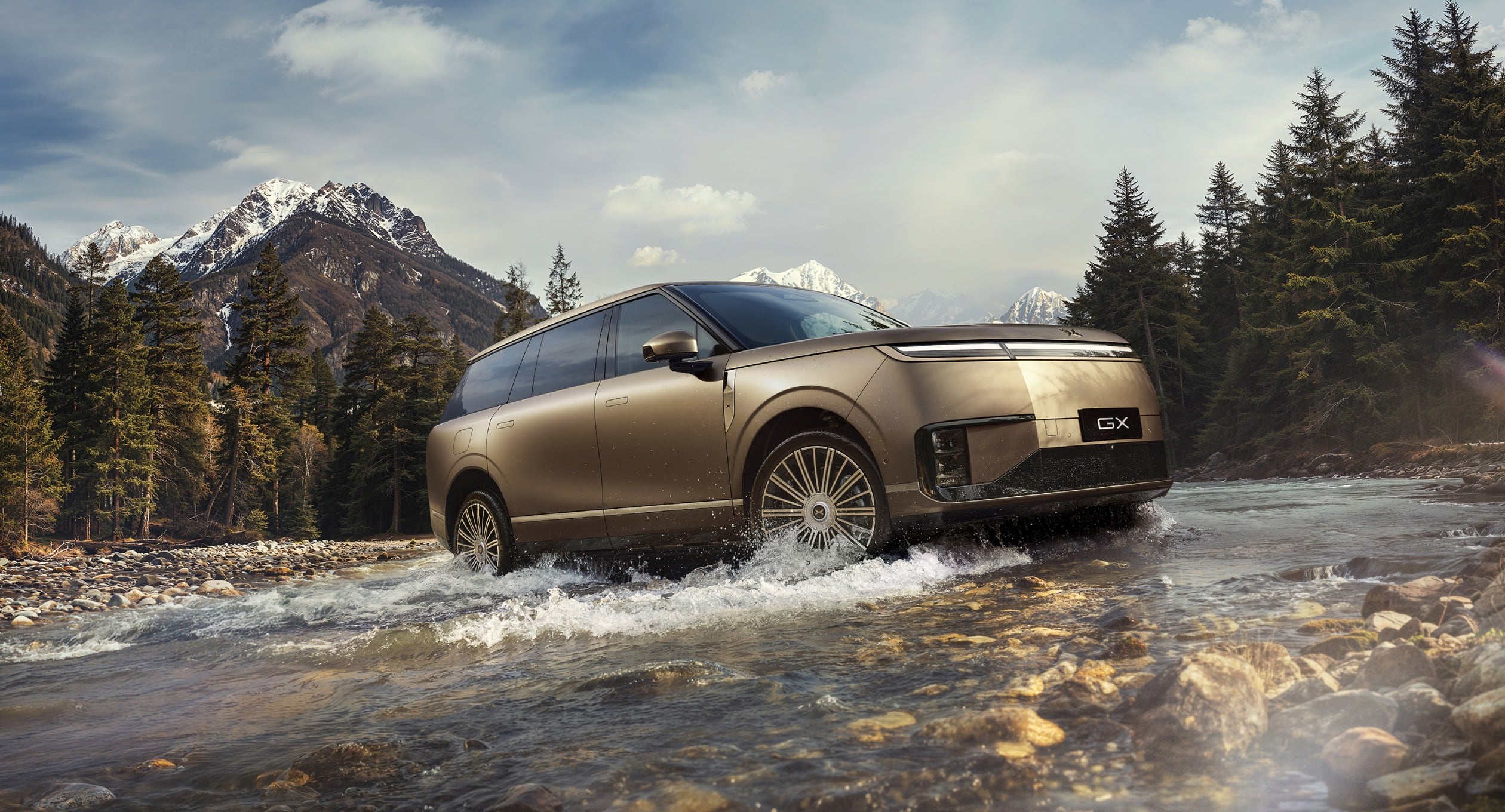
Product rollout accelerated significantly. In Q2, Xpeng launched two new models — the XpengGX and MONA L03 — reinforcing market confidence in its upcoming product lineup. On July 16, Xpeng held the global launch event for the MONA L03 in Munich, Germany, marking the official globalization of the MONA series. Xpeng Group Chairman and CEO He Xiaopeng stated the company will leverage its dual advantages of "intelligent leadership + design leadership" to accelerate conversion into high-volume sellers and brand momentum.
Sales channels and energy replenishment networks expanded in tandem. As of June 30, Xpeng had established 740 physical stores across 257 cities; its self-operated charging stations totaled 3,780, including 2,720 Xpeng Ultra-Fast Charging Stations.
Intelligent driving has entered the mass-deployment phase. The Turing AI Driving System, powered by the second-generation VLA model, began mass rollout in March 2026; in its first month, user ADAS-assisted driving mileage accounted for over 50% of total driving distance. The same VLA model also underpins an L4-level robotaxi currently undergoing internal employee testing. Notably, the second-generation VLA recently passed localized validation tests in Germany, confirming its adaptability to complex European urban scenarios — including main roads, narrow streets, and alleys. Xpeng is leveraging "one unified model" to bridge China and Europe, aiming to progressively deliver localized intelligent driving systems to global users starting in 2027.
The robotics business emerged as the biggest highlight: Xpeng Robotics secured over $900 million in its Series A funding round, achieving a post-money valuation of approximately $6.3 billion (RMB ~43 billion) — setting a new record for single-round private financing in China's embodied AI sector. IDG Capital led the round, with GSR Ventures participating; Tencent and Alibaba joined as strategic investors, while Xpeng Group retains controlling ownership. He Xiaopeng noted that R&D for production-ready humanoid robots has achieved multiple key milestones; Co-CEO and Vice Chairman Gu Hongdi emphasized that premiumization and internationalization breakthroughs have effectively offset industry-wide cost pressures, sustaining gross margins above 20%. Large-scale production and commercialization of Physical AI technology is expected to accelerate within the next year.
Looking ahead to Q3 2026, Xpeng forecasts vehicle deliveries of 115,000–121,000 units, representing a quarter-on-quarter growth of approximately 11.33%–17.14%; total revenue is projected at RMB 21.7–23.4 billion, up roughly 9.91%–18.52% quarter-on-quarter.
Comments
0 commentsNo comments yet. Be the first!
Post Comment