
Xiaomi has officially joined the ranks of Chinese automakers developing in-house intelligent driving chips — including BYD, NIO, Xpeng, and Li — by unveiling its first fully in-house intelligent driving chip: the Xring D100. Reportedly, this is China's first AI chip purpose-built for intelligent driving and manufactured using the 3nm process node, marking a deeper breakthrough by Chinese automakers into core underlying technologies.
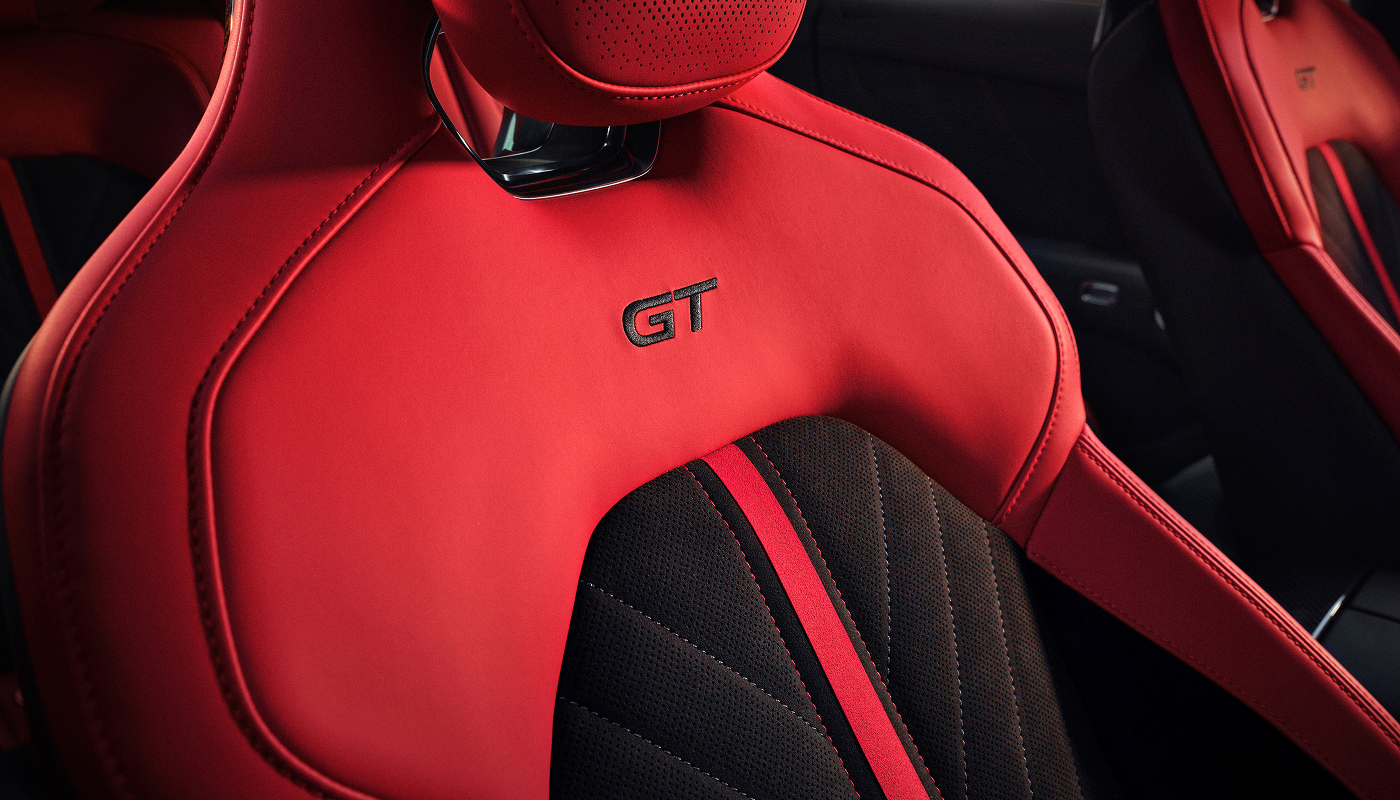
According to publicly available information, the Xring D100 integrates a 20-core high-performance CPU and a 16-core high-compute NPU, supports up to 160 GB of memory, and enables on-device deployment of large language models with up to 200 billion parameters. Compared with the NVIDIA-based solution currently used in Xiaomi SU7 and the YU7 series (offering ~700 TOPS), the Xring D100's projected compute range is 700–1000 TOPS — placing it on par with leading in-house chips such as Xpeng's Turing chip and BYD's Xuanji A3 chip.
Notably, the chip still needs to pass stringent automotive-grade certification, undergo extensive real-vehicle validation, and achieve deep integration with Xiaomi's XLA end-to-end intelligent driving model. Its launch vehicle remains unconfirmed; however, industry speculation leans optimistically toward the 2027 YU7, scheduled for release next year.
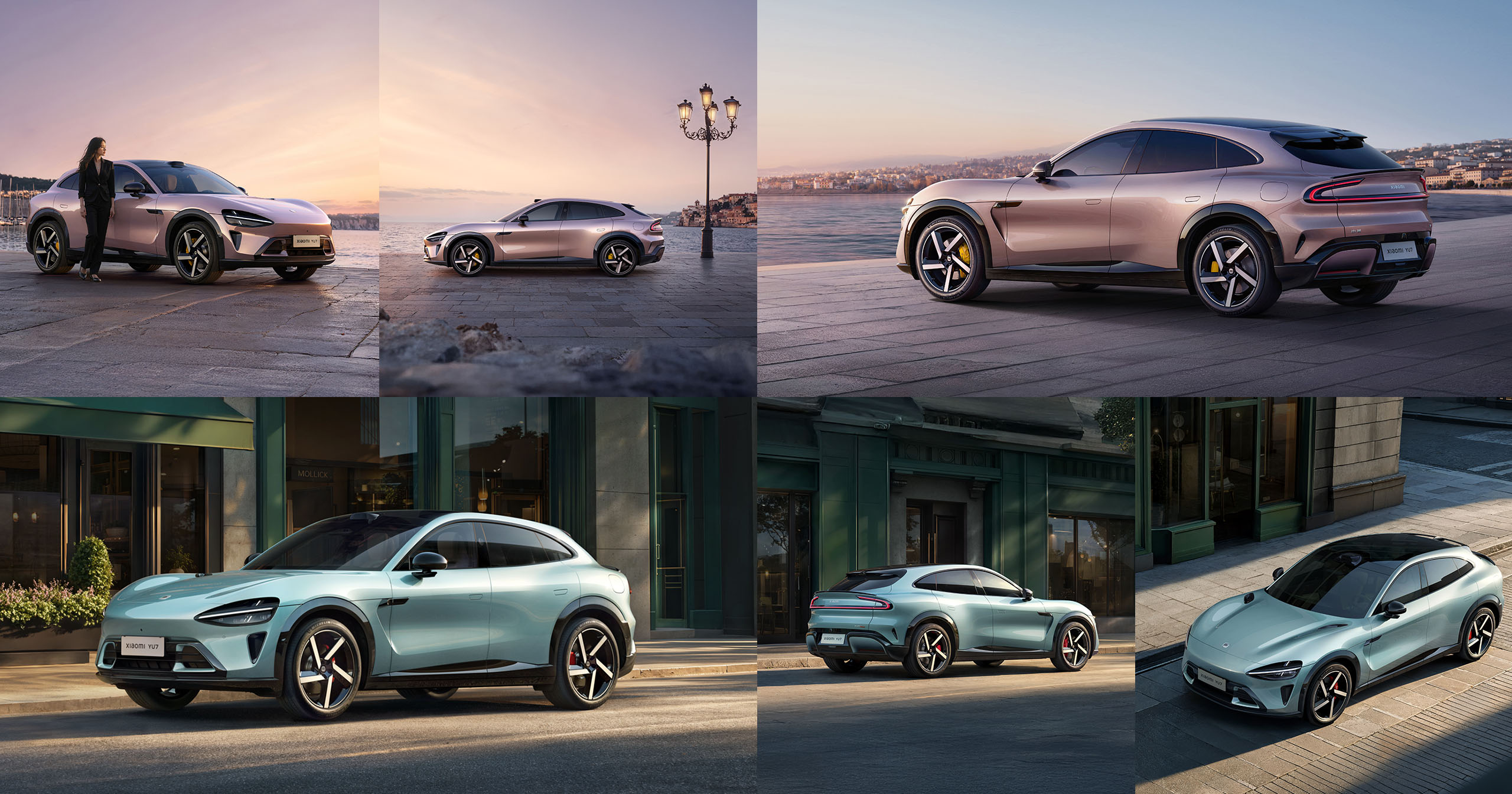
Xiaomi emphasized that mastering the full technology stack — from chip and domain controller to low-level BSP software — could significantly reduce bill-of-materials (BOM) costs at scale. Moreover, the Xring D100 is natively optimized for the dataflow and memory access patterns of the XLA model, eliminating much of the quantization and adaptation overhead required by general-purpose chips — thus improving system responsiveness and accelerating algorithm iteration.
Industry observers note that in-house chip development is rapidly widening the technological gap among automakers: only top-selling brands possess the long-term capacity to invest billions of yuan and deploy thousands of engineers; most others continue relying on commercial chips and open-source models to sustain business viability. Earlier, ChanganDeepal L06 launched the world's first 3nm cockpit chip developed by MediaTek, whereas Xiaomi's latest effort targets the more complex and safety-critical intelligent driving domain.

In terms of sales, Xiaomi delivered 80,856 vehicles in Q1 2026 and 104,199 in Q2, targeting 550,000 units for the full year. As core technologies like the Xring D100 gradually enter production, Xiaomi's autonomy over intelligent driving capabilities and cost control may enter a new phase.
Comments
0 commentsNo comments yet. Be the first!
Post Comment