
Recently, the 2025 TANK 300 has officially debuted in production guise, featuring significant upgrades to exterior design, dimensions, and powertrain. While retaining its rugged off-road DNA, the new model substantially expands interior space and — for the first time — adopts the Hi4-Z plug-in hybrid architecture and integrated LiDAR hardware, signaling major leaps in intelligent driving capability and versatile off-road performance. Pre-orders are scheduled to begin on July 6, 2026.
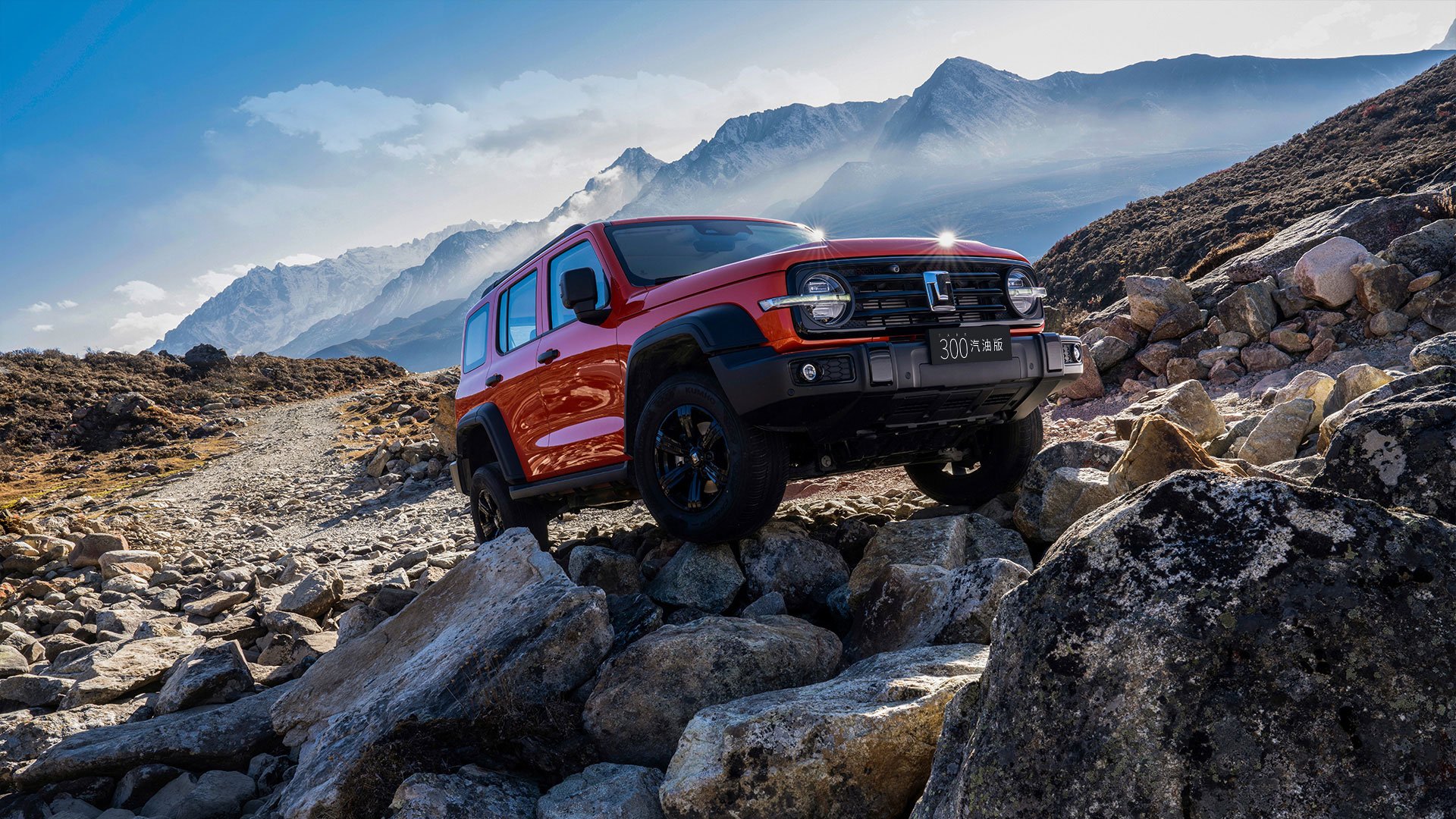
Exterior styling introduces a new blacked-out honeycomb front grille paired with prominent 'TANK' lettering; the front bumper adopts a more aggressive, professional look. A roof-mounted LiDAR unit is integrated, while smart-driving blue indicator lights appear on both side mirrors and beneath the taillights — providing essential hardware support for advanced driver-assistance systems (ADAS). The rear gains a new rear window wiper and high-mounted stop lamp; taillights adopt a vertical layout, enhancing both visual distinctiveness and functionality. Three exclusive paint colors are offered: Radiant Yellow, Passion Red, and Serene Green.
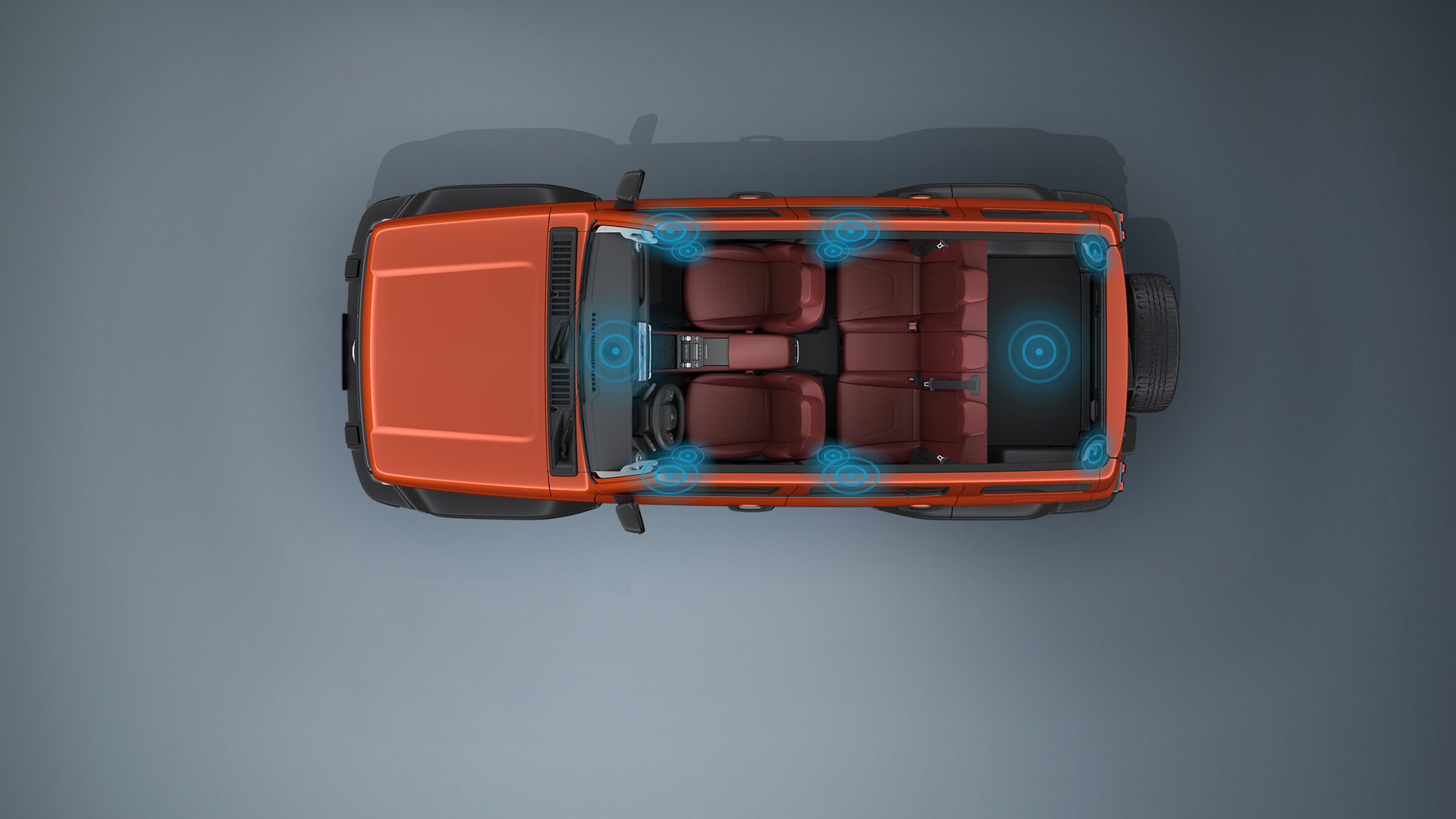
In terms of dimensions, the long-wheelbase version measures 4886 mm × 1984 mm × 1927 mm, with a wheelbase of 3010 mm — up 136 mm, 54 mm, 24 mm, and 260 mm respectively versus the current model. The L113 (distance from front axle center to front of cabin) is extended to improve approach angle and overall off-road capability. Fender trim pieces are added along the sides, and new-design alloy wheels are fitted.
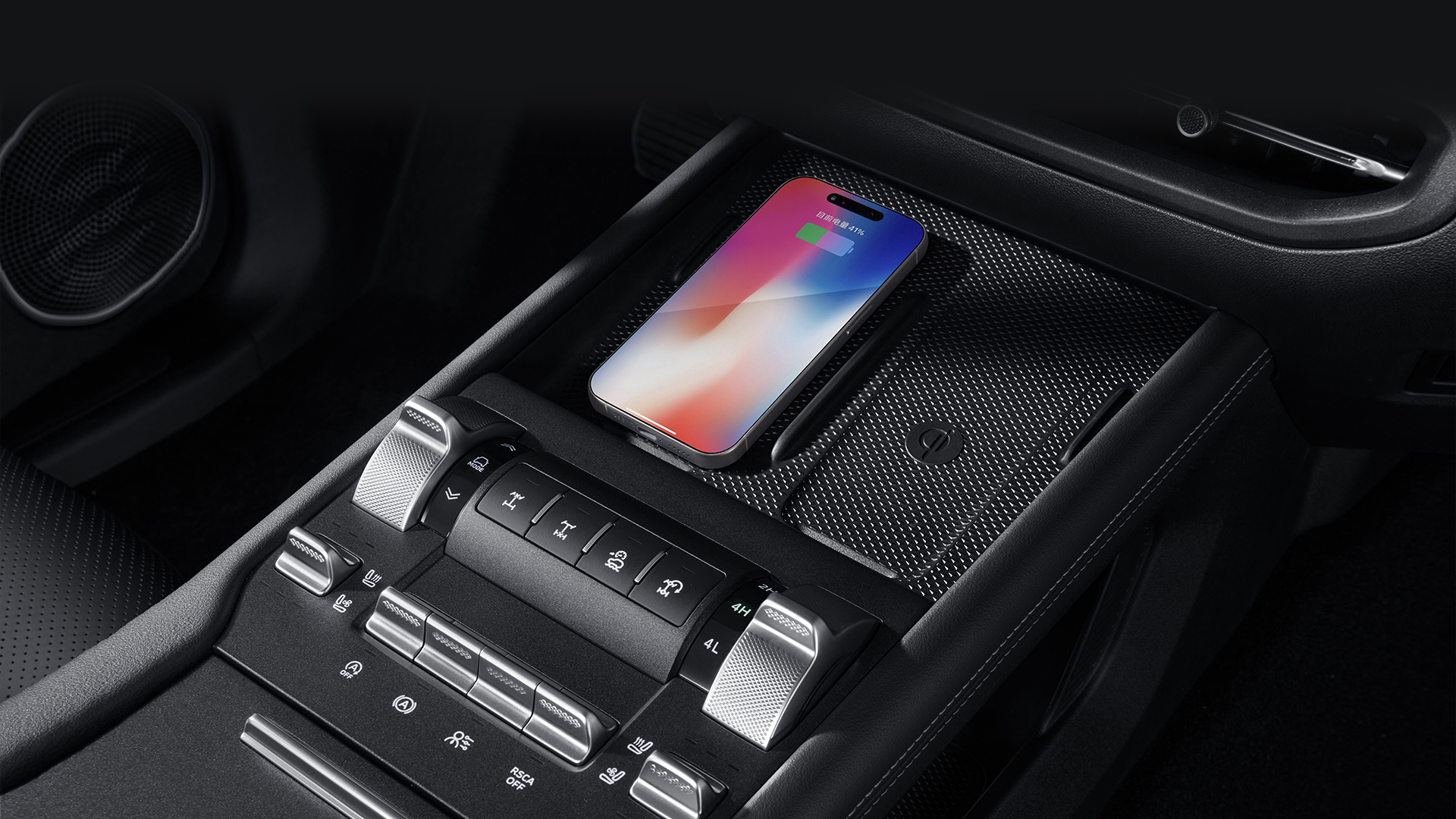
The interior retains its classic layout, returning to a three-spoke multifunction steering wheel with enhanced button functionality. The upper control zone receives subtle refinements, while the electronic column-mounted shifter remains, paired with a fully digital instrument cluster and a floating central touchscreen. The overall design language stays consistent — emphasizing practicality and rugged character.
Powertrain options include both conventional fuel and plug-in hybrid variants. The PHEV lineup features two architectures: Hi4-T and Hi4-Z. Hi4-T retains a non-decoupled four-wheel-drive system with the battery mounted in the cargo area — optimized for extreme off-roading. Hi4-Z places the battery under the chassis, prioritizing versatile off-road scenarios. Both PHEV versions use a 2.0T engine delivering peak output of 185 kW, with battery capacities of 59.6 kWh (200 km pure-electric range) and 37.1 kWh (105 km pure-electric range), respectively. Conventional models continue offering the 3.0T E30Z engine (265 kW max power) and the 2.0T E20CB engine (175 kW max power).
Comments
0 commentsNo comments yet. Be the first!
Post Comment