
Hyundai Motor and Kia Motor released their U.S. sales data for July 2026 on August 1: Hyundai delivered 82,480 vehicles, up 3.7% year-on-year; Kia delivered 75,857 units, up 6.7% YoY. Both brands achieved new all-time highs for monthly U.S. sales.
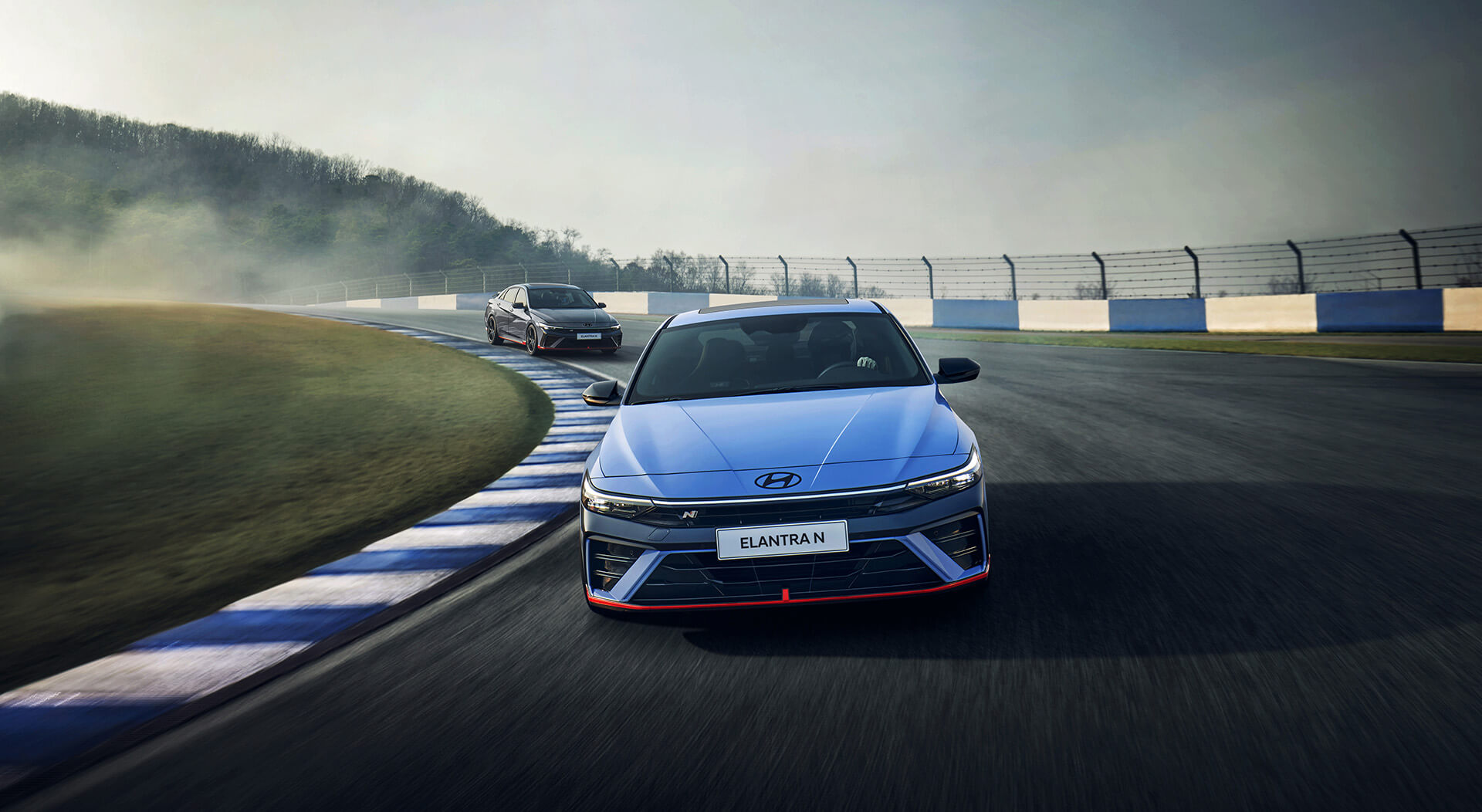
This marks the third consecutive month of sequential growth for both automakers. After setting a new annual U.S. sales record in 2025, both are on track to surpass that figure again in 2026. Notably, hybrid models emerged as the core growth engine — Hyundai's hybrid sales surged 35% YoY, while Kia's hybrid deliveries soared 108%.
For Kia, five models — Sportage, Carnival, Telluride, Seltos, and K4 — all set new July U.S. sales records. Hyundai leaned heavily on the Tucson (19,714 units sold, +20% YoY) to partially offset softer demand for its flagship SUVs, the Santa Fe and Palisade.
In stark contrast, battery-electric vehicle (BEV) sales declined markedly. Hyundai's core EV models posted YoY declines of 35% or more; Kia's two EVs also fell short of their 2025 levels — when pent-up demand ahead of the expiration of the U.S. federal EV tax credit (September 30, 2025) drove strong sales.
Premium sub-brand Genesis maintained steady growth, selling 6,947 units in July (+3.9% YoY), marking its 22nd straight month of year-on-year gains. Core SUVs GV70 and GV80 each grew 10%, underpinning overall performance.
Across the industry, the U.S. light-vehicle market faced headwinds in 2026. Although seasonally adjusted annualized sales for July are projected at 16.6–16.9 million units, total first-half volume dipped 2.7% YoY. Analysts cite high borrowing costs, persistently elevated fuel prices, soft consumer confidence, and the September 2025 expiration of the federal EV tax incentive as key factors slowing the EV transition. Data shows BEVs are expected to account for just 7% of new retail vehicle sales in July — down significantly from over 10% in some 2025 months — while hybrid share is projected to rise to 15.9%, up 2.5 percentage points.
Comments
0 commentsNo comments yet. Be the first!
Post Comment