
As the 2027 Volkswagen ID. Buzz prepares to land in the U.S. market, sales of this electric van have unexpectedly rebounded, with 1,249 units delivered in Q2, a 121% surge year-on-year and more than double the 564 units sold in the same period last year. Meanwhile, the Volkswagen ID.4 is undergoing a temporary production pause and adjustment, with its successor expected to abandon the numeric naming convention and debut as the ID. Tiguan.
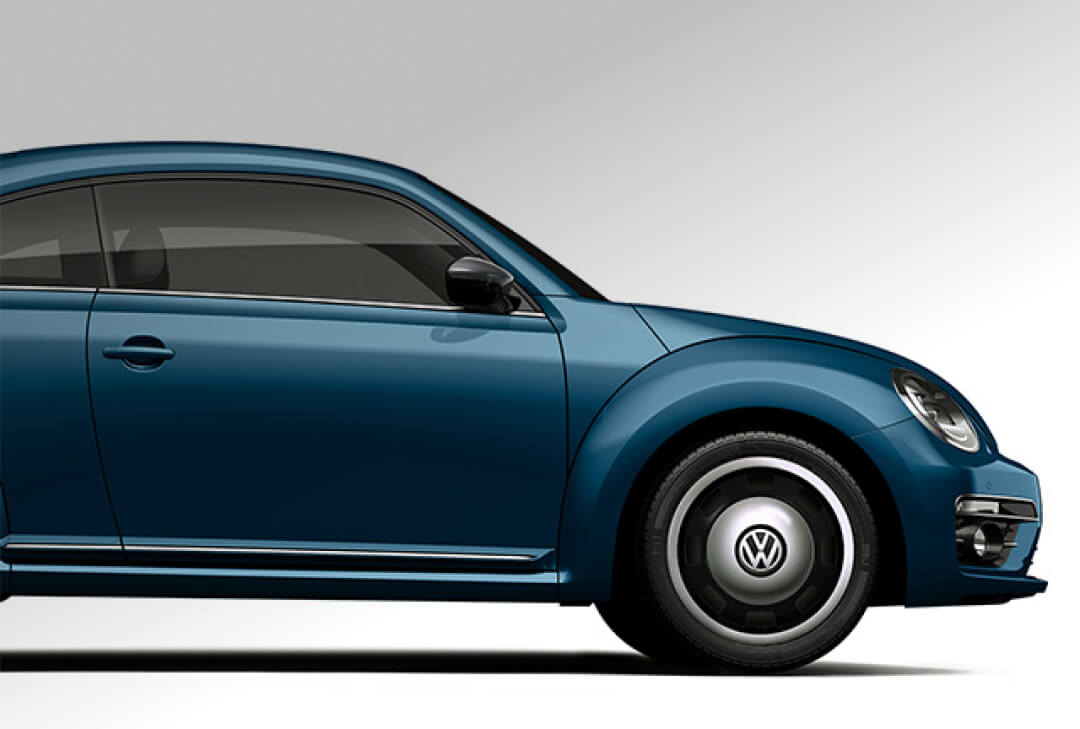
ID. Buzz Skips 2026 Model Year, Launches Directly as 2027
In December 2025, Volkswagen confirmed that, thanks to ample inventory of the 2025 ID. Buzz, it would skip the 2026 model year entirely and return to the U.S. market with the 2027 model year cycle. In April, the brand officially unveiled the 2027 ID. Buzz — including a new Tourer variant specially designed for long-distance camping. Though deliveries to dealers aren't expected until next month, demand has already visibly warmed up.
Data shows that the ID. Buzz's Q2 U.S. sales (1,249 units) not only far outpaced the Ford E-Transit's figure for the same period (293 units), but also underscored its unique positioning within its segment. Notably, current sales still consist primarily of the 2025 model.
ID.4 Production Halted; ID. Tiguan Set to Succeed
In stark contrast to the ID. Buzz, the ID.4 posted just 1,867 units sold in the U.S. during Q2 — a 6% decline year-on-year. Volkswagen announced in April that its Chattanooga, Tennessee plant would cease ID.4 production to focus instead on high-volume gasoline SUVs like the Atlas. In May, Volkswagen further confirmed that no 2027 ID.4 will be launched — the existing 2026 model will exit the market once current inventory sells out.
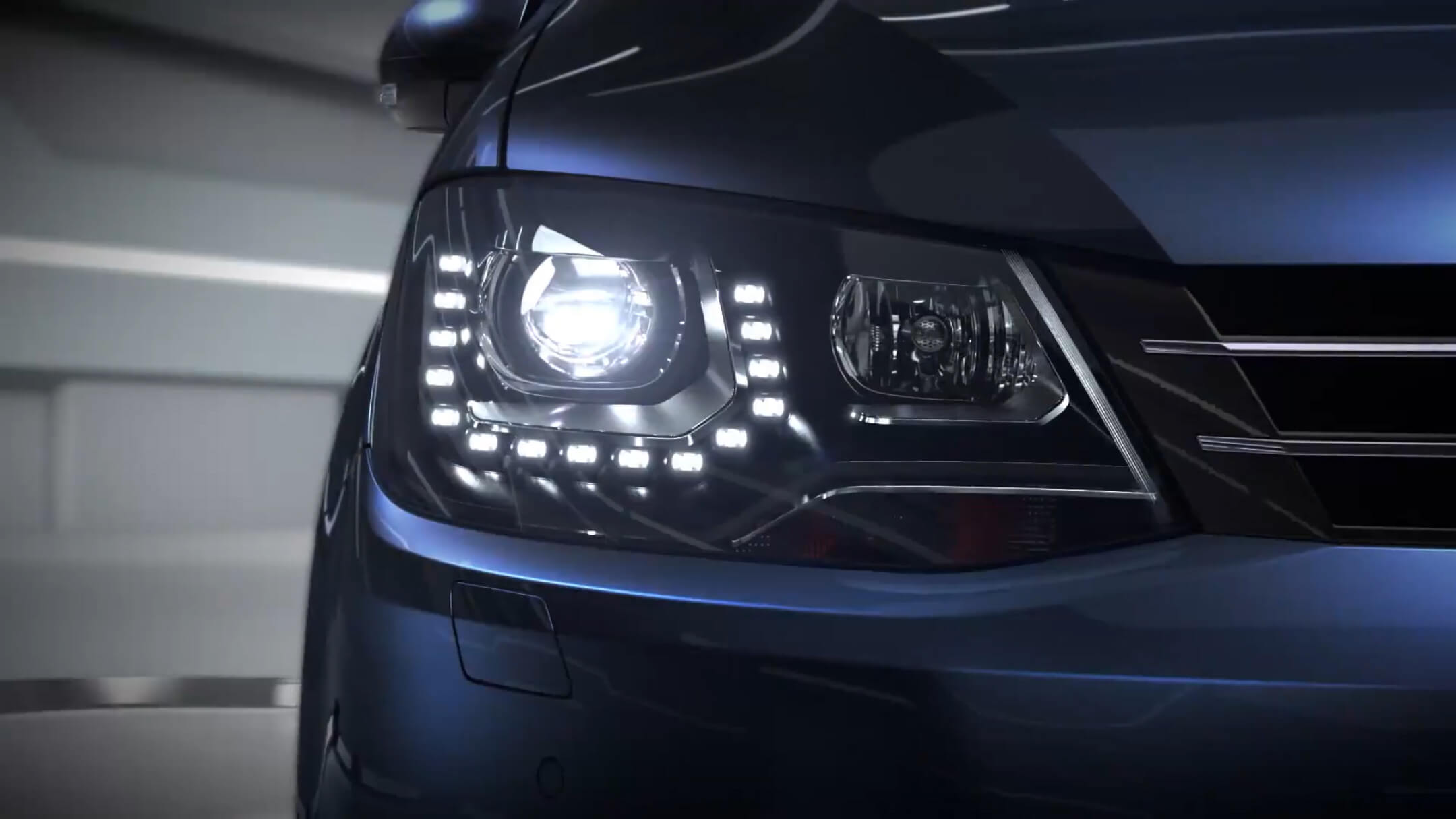
Spy shots indicate the all-new electric SUV is now in road-testing phase, adopting a design language closer to traditional gasoline SUVs: a boxier front fascia, reworked hood lines, and a return to physical door handles — overall styling strongly echoing the current Tiguan. Inside, the vehicle is expected to adopt the next-generation design language introduced in the ID. Polo, including a return of physical controls.
Volkswagen has not yet disclosed specific technical specs for the new model, but industry sources suggest it will feature a next-generation battery and electric drive system, potentially improving range and charging efficiency. The current ID.4 packs an 82 kWh battery, delivering up to 291 miles (≈468 km) of EPA-rated range for the rear-wheel-drive version and 263 miles (≈423 km) for the all-wheel-drive variant; WLTP-rated range reaches up to 351 miles (566 km).
EV Strategy Shifts Toward Next-Generation Lineup
Volkswagen Group's total U.S. BEV sales in H1 2026 stood at just 9,800 units — a steep 68.8% drop year-on-year (vs. 31,300 units in H1 2025). While the ID. Buzz shines, it cannot offset the broader downturn. Europe remains the only region where Q2 EV sales rose year-on-year.
Volkswagen is betting on next-gen models — including the ID. Polo, ID. Cross, and ID. Tiguan — to stage a comeback. The automaker says it has already received over 54,000 pre-orders for its new entry-level EVs. Yet, with Chinese brands like BYD accelerating global expansion and intensifying competition across the global EV landscape, the success of this pivot remains to be seen.
Comments
0 commentsNo comments yet. Be the first!
Post Comment