
Volkswagen is rapidly adjusting its global production footprint. Multiple sources confirm that vehicles produced by Volkswagen China's joint ventures — FAW-Volkswagen and SAIC VW — will officially enter the Kazakh and Uzbekistani markets in 2026, breaking the long-standing 'produced in China, sold only in China' model.
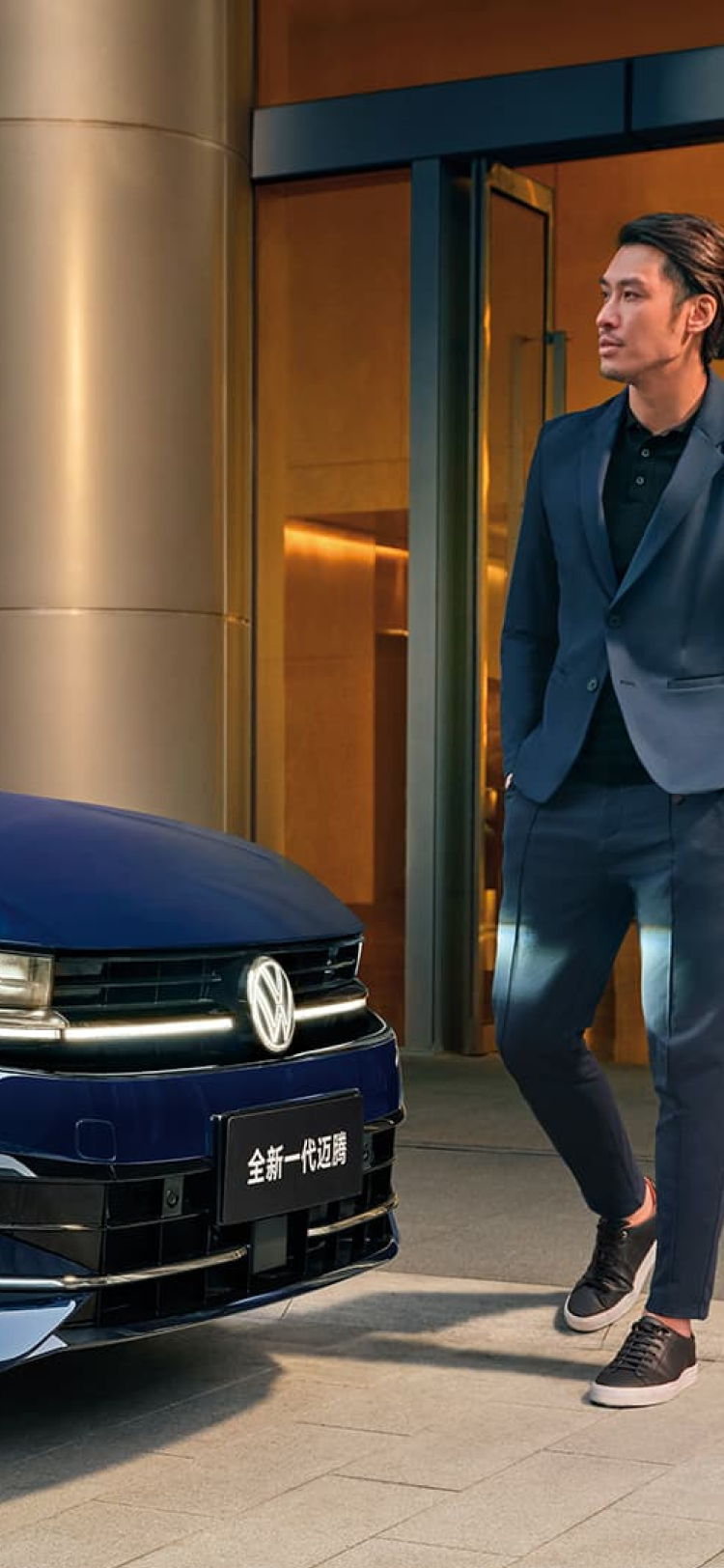
This strategic shift is not isolated. At an international forum held in Tashkent in June 2026, German President Frank-Walter Steinmeier and Uzbekistani President Shavkat Mirziyoyev jointly announced plans to launch a local assembly project for Volkswagen vehicles in Uzbekistan. By end-2026, eight models — including the Tiguan L Pro, Passat Pro, Teramont Pro, and Jetta series — will be assembled locally using parts supplied by FAW-Volkswagen and SAIC VW, with output targeting CIS countries, Central Asia, and the Caucasus region.
Meanwhile, FAW-Volkswagen has completed homologation for three models in Kazakhstan: the Magotan (sold under the 'Passat' name), TayronL, and Jetta VS7. Currently, Volkswagen offers only one model in Kazakhstan — the Touareg imported from Slovakia — making the new models likely to launch shortly.
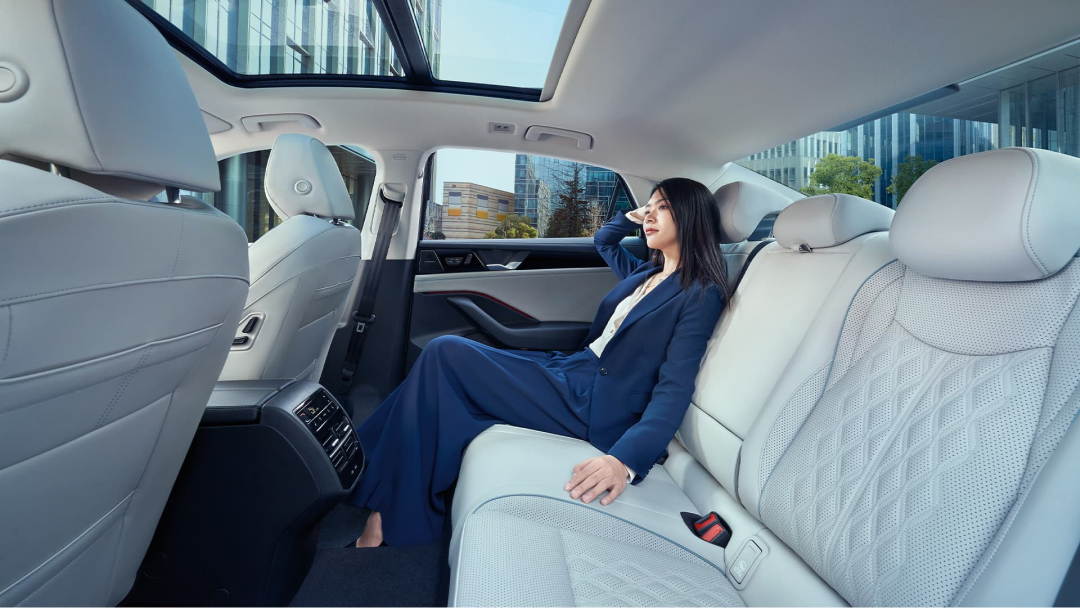
This move also reflects structural shifts in the Chinese market. Data shows that China's new energy vehicle (NEV) penetration rate reached 54% in 2026 — a 3.9 percentage-point increase year-on-year — with sales totaling 4.7 million units. In contrast, Volkswagen's deliveries in China fell 28.9% year-on-year to 665,600 units, well below its peak of over one million units several years earlier. Sluggish NEV transition has left FAW-Volkswagen and SAIC VW with excess capacity — and Central Asia is now the first region to absorb this surplus. Further expansion into Southeast Asia and the Middle East is also under consideration.
Notably, Volkswagen is reportedly facing rumors of European plant restructuring, model-line rationalization, and large-scale layoffs — compounded by U.S.-China tariff pressures and intensifying global competition from Chinese automakers. Leveraging China's cost-efficient supply chain for overseas exports has thus become a critical strategic priority. Reports suggest Volkswagen may even export range-extended electric models originally developed for the Chinese market to counter global challenges posed by domestic brands such as BYD and GEELY.
Comments
0 commentsNo comments yet. Be the first!
Post Comment