
Design: The Boxy Form Evolves — Extension Without Compromising Rugged DNA
You'll likely recognize this rear end — whether in city traffic or beside China's iconic G318 highway, TANK 300 commands attention. What we're testing here is a new variant within the all-new generation of TANK 300 NEVs: the TANK 300L Hi4-Z. Importantly, not all new-generation TANK 300 models are extended — the fuel-powered versions retain the standard wheelbase; only those bearing the 'L' suffix (i.e., TANK 300L) are the extended versions.
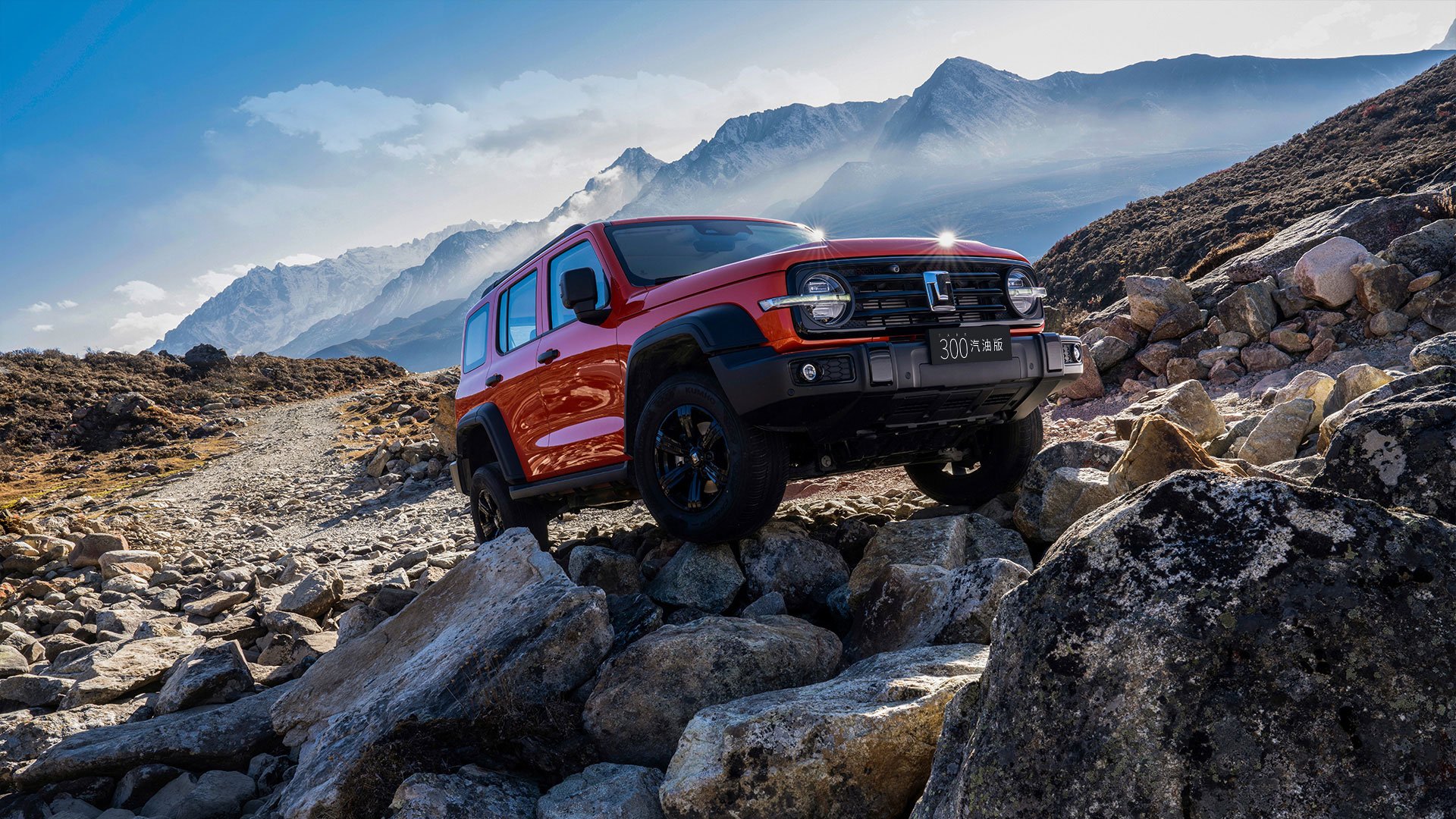
Exterior styling carries forward the 'balanced square-and-rectangular' rugged boxy silhouette. The iconic breakout circular headlights and triple horizontal LED light strips remain unchanged. The full-width turn signal extends seamlessly to the front fenders, while the position lamps now feature adjustable brightness — enhancing daytime visibility and nighttime comfort. For the first time, the grille comes factory-fitted with an official 'TANK' lettering badge — a departure from aftermarket modifications on older models and a hallmark of the new design language.
The front bumper adopts a three-piece modular structure. Though it slightly reduces visual cohesion, it significantly improves off-road practicality: damaged sections can be replaced individually, lowering long-term repair costs. Overall dimensions measure 4886 × 1984 × 1927 mm, with a wheelbase stretched to 3010 mm — 260 mm longer than the standard version. Yet this extension isn't the conventional 'rear-seat stretch'. Instead, it's concentrated between the front axle centerline and the base of the windshield (officially termed L113). Visually, this elongates the engine bay and shortens the front overhang — reinforcing the 'four wheels at the corners' proportion — while also freeing up space for powertrain packaging, cooling, and crash energy absorption.
Details reveal thoughtful engineering: exposed rivets bridge the gap between the engine bay and windshield — serving both aesthetic and functional roles (e.g., mounting auxiliary spotlights); the roof integrates a LiDAR unit whose form blends naturally with the squared-off profile, preserving the vehicle's commanding presence. Both front and rear track widths increase — front to 1661 mm (+53 mm), rear to 1675 mm (+67 mm) — making the extended body appear even more planted and robust.
Interior: Rugged Meets Intelligent — Specs Rival New-Energy Startups
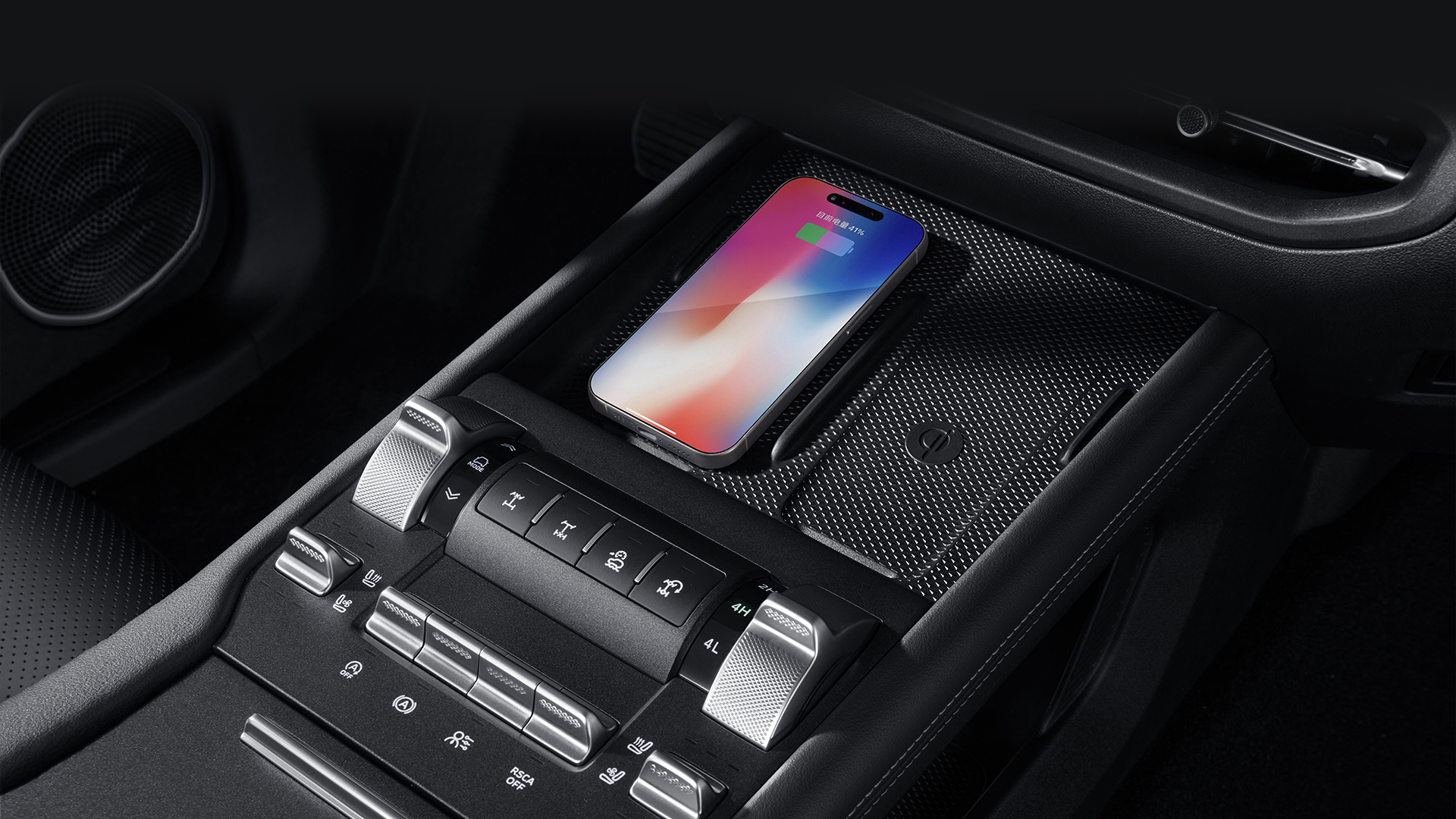
The TANK 300L offers three interior color schemes: all-black, black-red, and black-orange. Our test vehicle featured the all-black option. The cabin retains the rugged, structural honesty expected of a true off-roader — but intelligence and luxury have leapt forward: a 12.3-inch digital instrument cluster pairs with a 15.6-inch 2.5K central touchscreen, powered by Coffee OS 3 and its integrated Coffee GPT in-vehicle AI voice assistant. The infotainment chip is built on a 4nm process, backed by 24GB RAM and 128GB storage, delivering CPU performance rated at 170K DMIPS.
As a platform engineered for expandability, the front roof panel features six pre-wired power outlets — each rated up to 300W, with combined output reaching 1040W — capable of powering auxiliary spotlights, winches, or even drone charging stations. Materials strike a balance: door panels combine leather wrapping with diamond-stitched patterns; round mechanical HVAC vents remain — tactile rotary dials ensure intuitive, reliable operation in demanding off-road conditions.
All seats come standard with Nappa leather. The driver's seat offers 12-way power adjustment; the front passenger gets 10-way. Both include heating, ventilation, memory functions, and 8-point massage. Seat foam is firm yet supportive — ideal for long-haul driving without fatigue — and the massage intensity feels purposeful, not plush like typical family SUVs.
Space: 'L' ≠ Bigger Rear Seats — A Rational Take on Extension Logic
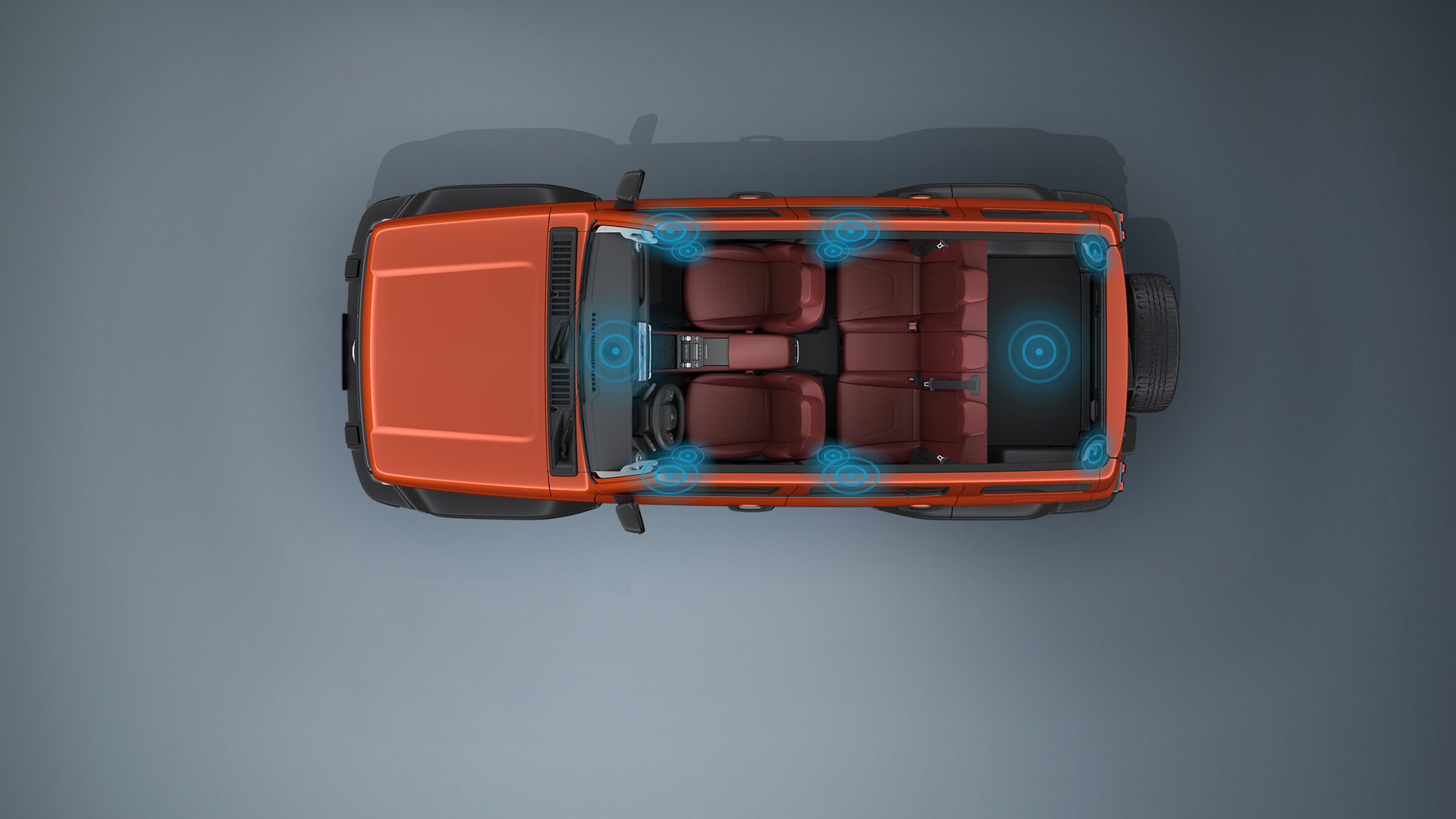
A 180-cm-tall tester adjusted the front seat to a comfortable position, then moved to the second row. Legroom did *not* see a dramatic jump — no "Maybach-style" leap — despite the +260-mm wheelbase. The reason is clear: the extension prioritizes front-end engineering layout — not cabin depth.
Still, rear seating remains spacious: thigh support from the seat cushion is ample, and headroom benefits from optimized roof geometry. The rear backrest adjusts continuously between 25° and 33.7°, allowing fine-tuned recline angles for long journeys. Child seat installation is straightforward — the rear doors open wide enough for standard setups. However, with the driver seated normally, rotating child seats placed behind the driver leave minimal clearance against the front seatback — taller drivers should consider installing behind the front passenger instead.
For cargo capacity, we tested using standard 20-inch carry-on luggage. With second-row seats upright, the trunk holds up to nine pieces; with seats fully folded flat — and luggage height kept below the front seatbacks — it accommodates 17. In essence, the 'L' in TANK 300L reflects engineering-driven extension — not mere volume stacking. Grasping this distinction is key to understanding the vehicle's philosophy.
Powertrain & Intelligence: Hi4-Z System Awaits Validation; ADAS Details Undisclosed
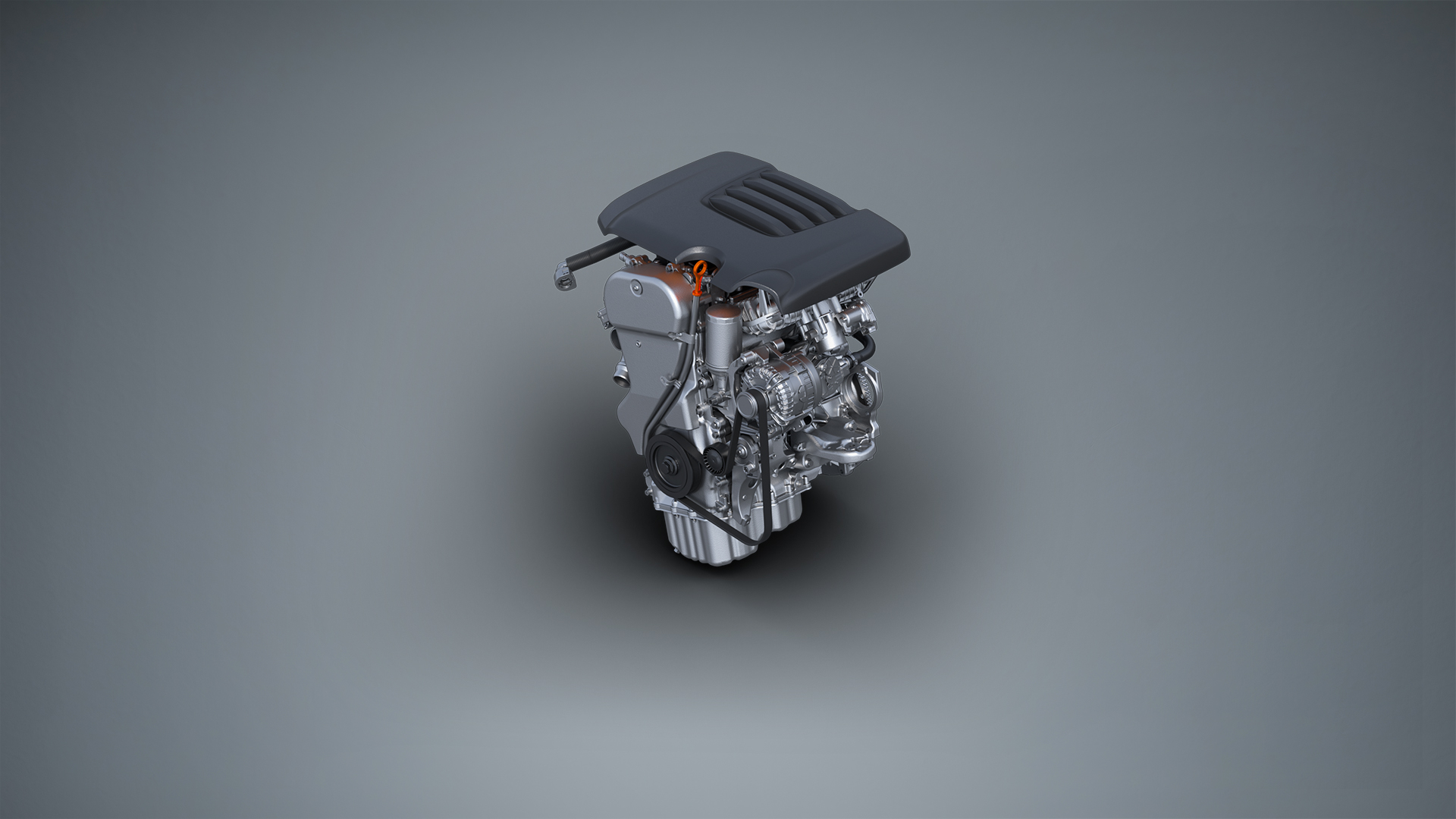
No technical specs were disclosed in the original text — no motor count, battery capacity, pure-electric range, combined fuel consumption, or performance figures. Only the model name 'Hi4-Z' was confirmed. Public documentation has yet to clarify the system's architecture (e.g., PHEV, range-extender, or another configuration), its efficiency logic, or performance benchmarks. Similarly, while 'driver assistance' is mentioned, no details were provided regarding feature level (e.g., L2/L2+), supplier, sensor suite, or real-world behavior — all await official clarification or deeper media validation.
Pricing & Positioning: Unannounced — but Market Anticipation Is High
As of this article's publication, the official price, trim ladder, and launch timeline for the TANK 300L Hi4-Z remain unconfirmed. Positioned between traditional rugged off-roaders and next-gen NEV-capable platforms, its success hinges on whether it delivers on both core off-road capability *and* intelligent, efficient electrification.
Conclusion: A 'Clear-Eyed' Extended Off-Roader
The TANK 300L Hi4-Z isn't an extended SUV designed to please rear passengers — it's a pragmatic evolution rooted in off-road authenticity and NEV readiness. Those 260 mm go precisely where they matter most: into front-end engineering margin and platform scalability. Design stays uncompromised, equipment stays premium, and space claims stay honest. This restrained, purpose-led approach stands out amid today's trend of spec inflation. As for the real-world capabilities of Hi4-Z? We'll need more technical disclosures — and real-world data — to find out.
Comments
0 commentsNo comments yet. Be the first!
Post Comment