
According to a July 8 report by France's Les Echos, BYD has made two separate overtures to acquire equity stakes in Renault Group over the past two years — both of which were politely declined. Neither party has commented on the report; the information originates from an internal source at Les Echos.
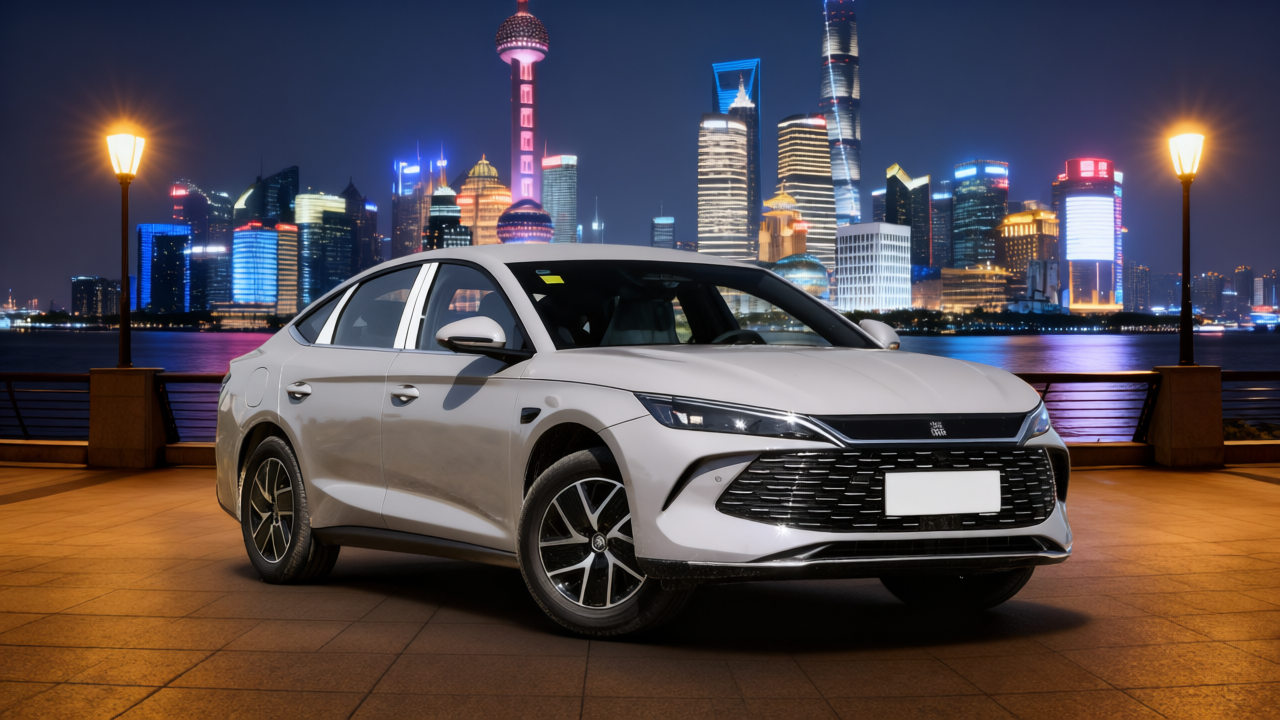
The first contact occurred approximately two years ago, when Renault was led by Luca de Meo — who stepped down in July 2025 to become CEO of Kering Group. At that time, BYD sought not technical or manufacturing collaboration, but rather equity ownership in Renault. However, Renault had already entered into an operational agreement with GEELY — including joint production arrangements in Busan, South Korea — and thus had no intention of bringing in a new shareholder in its core European market.
The second approach took place in autumn 2025, following a meeting between BYD's Executive Vice President and Europe Business Head Li Ke with then-French President Emmanuel Macron. BYD proposed a broader cooperation framework: Renault would gain access to BYD's battery-electric and plug-in hybrid technologies, as well as its battery production capacity; in return, BYD would potentially utilize Renault's European factory capacity — enabling it to circumvent the EU's up-to-45% tariffs on Chinese-made EVs.
Currently, Renault's existing partnership with GEELY covers joint production facilities in Busan, South Korea, and Curitiba, Brazil, and includes shared ownership of Horse Powertrain — a joint venture developing and manufacturing internal combustion engine powertrains for Renault, Dacia, Volvo, and Nissan.
A key driver behind such collaborations is the EU's upcoming 'local content' regulation — stemming from the Industrial Accelerator Act — designed to safeguard domestic industrial capacity and employment. As Chinese automakers' sales in Europe have surged over the past five years — now commanding roughly 10% of the regional market — the EU is leveraging policy levers to encourage foreign automakers to increase local supply chain integration. Localized production is no longer just about subsidy eligibility; it directly determines whether manufacturers can avoid steep import duties.
Beyond BYD, several other Chinese automakers are actively advancing European production footprints: Leapmotor Automobile will launch at least three models via Stellantis' Madrid and Zaragoza plants; Dongfeng's VOYAH brand will be built at Stellantis' Rennes plant in France; GEELY is reportedly exploring utilization of part of Ford's Valencia, Spain facility; and Chery and Nissan are discussing the possibility of having Chery's vehicles produced under contract at Nissan's Sunderland plant in the UK — even though the UK currently imposes no additional EV tariffs, operating under a different policy logic than the EU.
Comments
0 commentsNo comments yet. Be the first!
Post Comment