
China’s auto market in 2026 is exhibiting unprecedented polarization: domestic passenger vehicle sales fell 21.5% year-on-year, with price wars intensifying; meanwhile, overseas markets are booming—total vehicle exports reached 4.059 million units from January to May, up 63% YoY. Exports have exceeded 900,000 units per month for two consecutive months, putting the full-year target of 12 million units within reach.
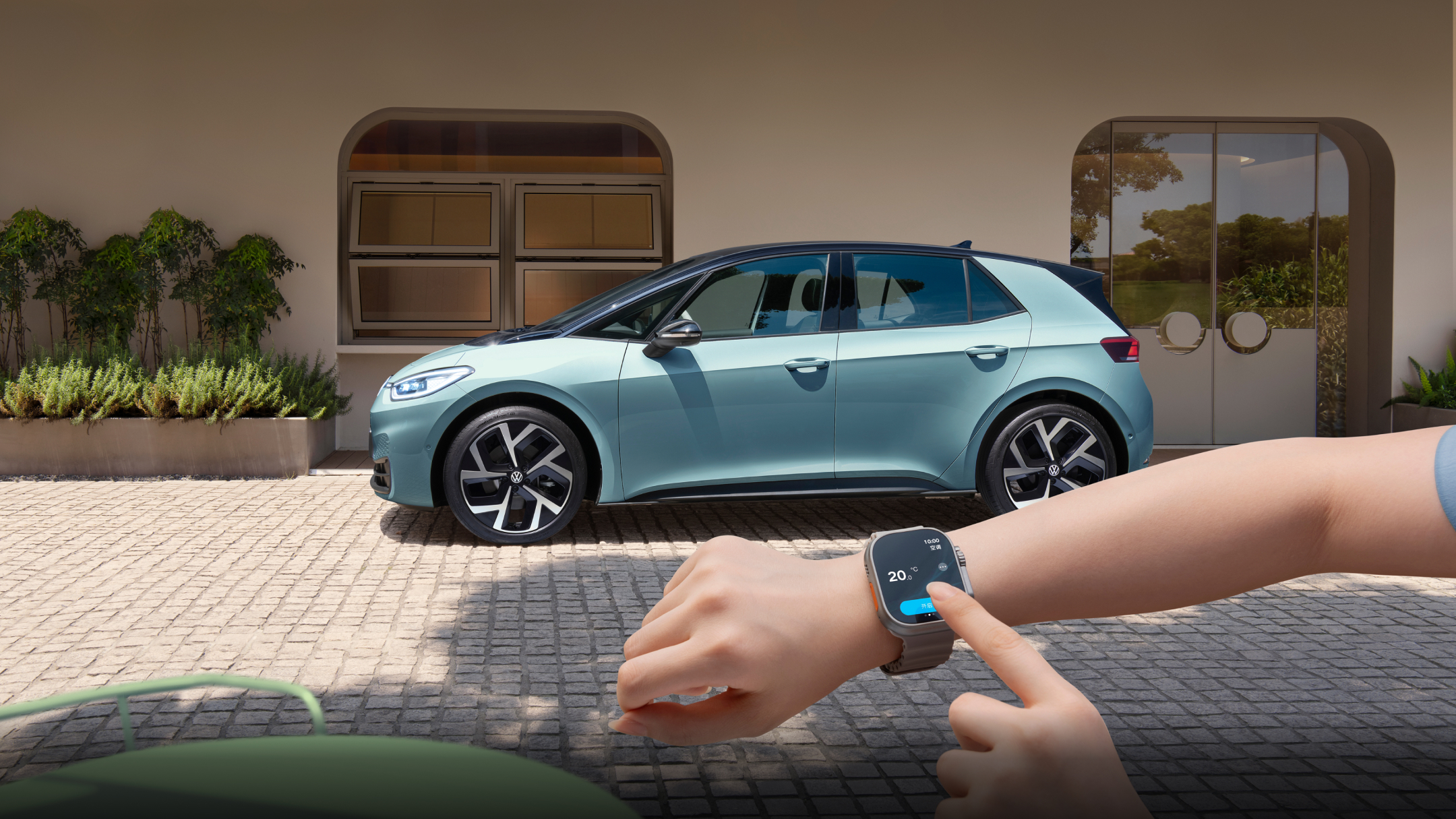
Top 5 Exporters: A Comprehensive Breakthrough from ICE to Smart EVs
Among total exports, the leadership hierarchy is clear. Chery leads with approximately 880,000 units exported, including 181,800 units in May alone—a 80.5% YoY increase—and over 70.6% of its total sales now generated overseas. Its market share in Russia exceeds 25%, and Q1 exports to Europe surged 215.6% YoY, reflecting deep integration into local distribution channels and service systems.
BYD follows closely with ~760,000 units exported, shipping 155,900 units in May (+85.5% YoY) and accounting for 40% of China’s total new energy vehicle (NEV) exports. The Dolphin surpassed 10,000 monthly sales in Germany, while the ATTO 3 (Yuan PLUS) has ranked #1 in Australia’s NEV segment for six consecutive months. Its Blade Battery and e-Platform 3.0 form an almost unassailable technological moat.
Geely, SAIC Motor (MG), and Great Wall rank third to fifth with 480,000, 420,000, and 280,000 units respectively. Geely leverages Volvo’s engineering heritage to advance premium positioning; MG capitalizes on its century-old brand legacy to achieve ‘local brand认同’ in markets like the UK, Australia, and Thailand; Great Wall focuses on Haval SUVs, Tank off-roaders, and Ora NEVs—winning through differentiation in niche segments.
Beyond Volume: The Triple Challenge of Branding, Service & Regulation
Beneath the high-growth surface lie deeper structural hurdles. Current export advantages still rely heavily on cost competitiveness—but mechanisms like the EU’s Carbon Border Adjustment Mechanism (CBAM), the U.S. Inflation Reduction Act (IRA), and local production mandates are steadily eroding this margin. More critically, insufficient overseas after-sales networks, long spare-part lead times, and lagging service capabilities have become key bottlenecks to reputation building. Moreover, the entrenched perception of ‘Made in China’ remains stubbornly resistant to change—brand premium power lags far behind product capability gains.

Industry observers stress that transitioning from ‘product export’ to ‘brand export’ is a systemic, decade-long endeavor. 2026 isn’t the finish line—it’s the true starting point of China’s automotive globalization: no longer just exporting capacity, but standards, technology, and values.
Comments
0 commentsNo comments yet. Be the first!
Post Comment