
In Q2 2026, BMW further solidified its leadership position in the U.S. luxury vehicle market. According to publicly available sales data, its quarterly deliveries reached 102,713 units — a 13% year-on-year increase — significantly widening the gap with key competitors.
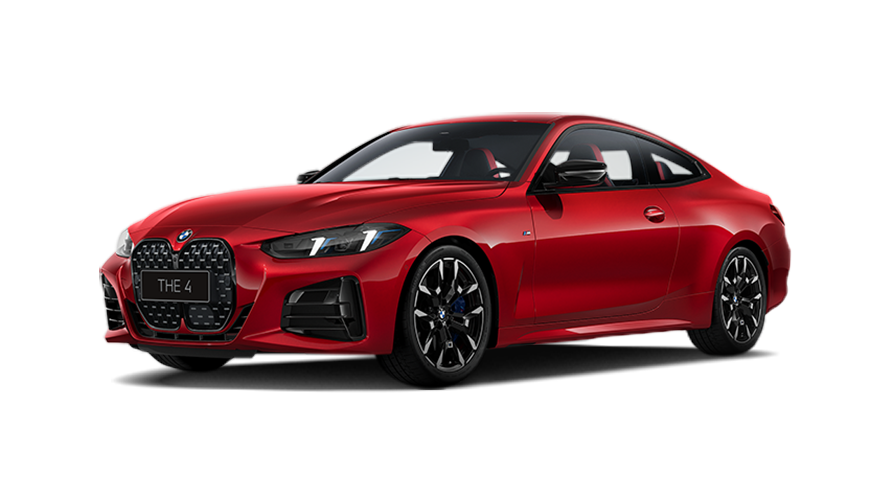
Core growth drivers included the 3 Series compact sedan, X3 compact SUV, and X5 midsize SUV. In the first half of 2026, BMW delivered a total of 186,944 units in the U.S., up 4.7% YoY. This marks BMW's seventh consecutive year as the best-selling luxury automotive brand in the U.S., while also setting a new H1 delivery record for the past three years.
In contrast, Lexus ranked second with 88,760 units delivered in Q2 but posted a 7.5% YoY decline. Its H1 cumulative deliveries totaled 169,712 units, down 5.2% YoY. The automaker cited the ES sedan's ongoing model transition as the primary cause of the quarterly dip — new models have only recently begun arriving at dealerships, creating short-term supply constraints.
Mercedes-Benz ranked third with approximately 75,000 retail units sold in Q2 and roughly 145,000 units in H1 — down 3.5% YoY. BMW's lead over Lexus expanded from under 3,300 units in Q1 to more than 17,000 units in Q2.
Other brands showed pronounced divergence: Volvo rebounded 9% to 34,228 units, ending three consecutive quarters of decline — but its EV sales plunged 45% YoY. Genesis grew 4.6% to 20,771 units; Acura, Cadillac, Lincoln, and Infiniti all posted varying degrees of decline, with Cadillac down 19% YoY. Jaguar Land Rover sales are projected to fall ~28%.
Sebastian Mackensen, BMW's CEO for North America, stated that the overall market remains stable with solid underlying demand. Sean Bagby, Executive Vice President of Operations, emphasized that although the 3 Series sedan is nearing the end of its current lifecycle (its successor is expected to debut in 2027), it continues to demonstrate strong resilience in Q2 — thanks to competitive pricing and precise segment positioning — especially notable given the broader contraction in the sedan segment.
Comments
0 commentsNo comments yet. Be the first!
Post Comment