
With July arrived, official auto sales data for the first half of 2026 has been released. According to statistics from China's Ministry of Public Security, 10.51 million new vehicles were registered nationwide in H1 2026 — including 5.195 million new energy vehicles (NEVs), accounting for 49.42% of the total. In the sedan segment, competition reveals a stark dual-track pattern: fuel-powered models are led by long-standing German and Japanese joint-venture stalwarts, while the NEV segment is dominated by Chinese brands — notably, the longtime chart-topper BYD Seagull failed to crack the H1 top 10.
Fuel-Powered Sedans: Six German/Japanese Joint Ventures + One Chinese Preface
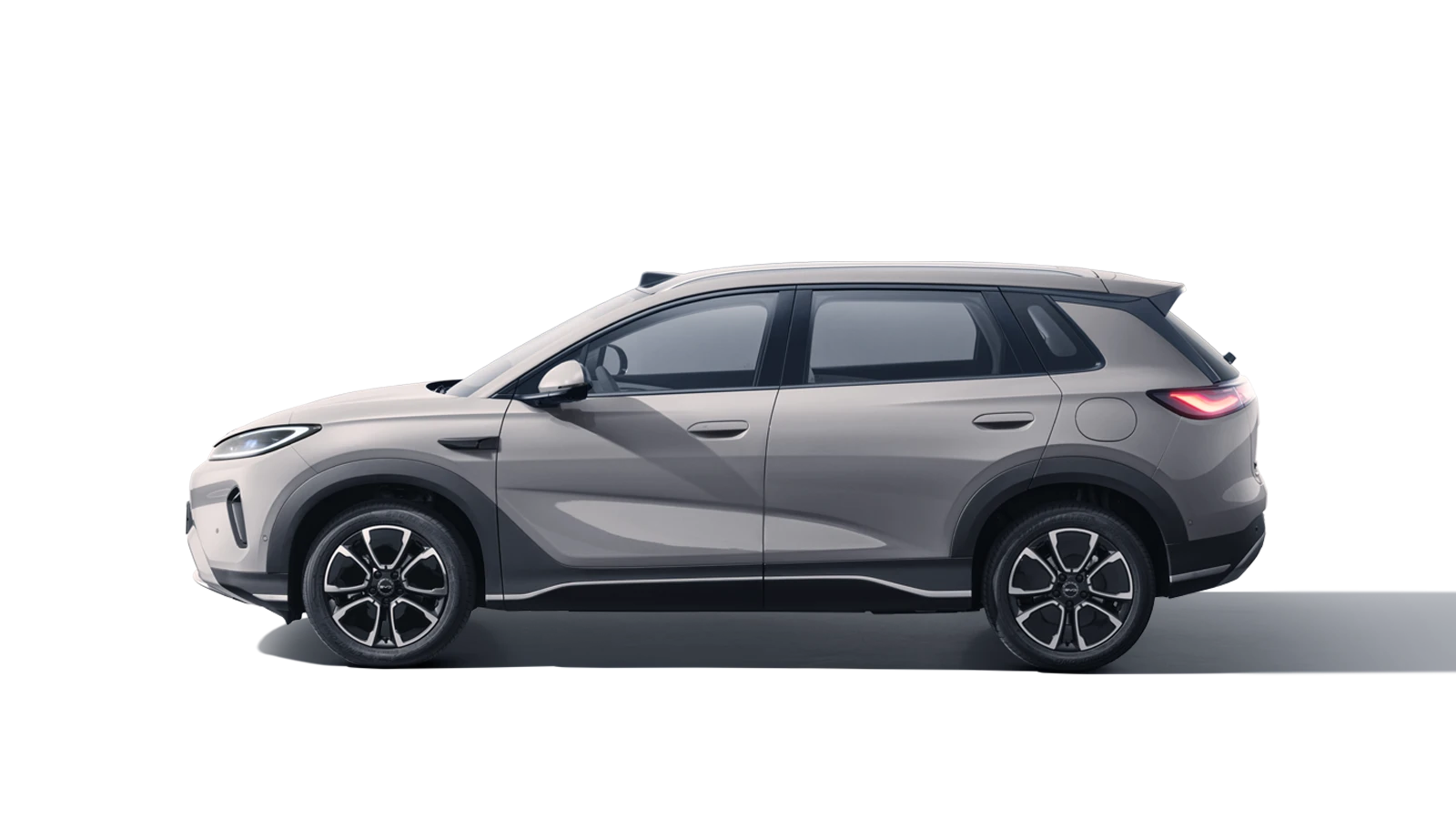
Of the top 10 sedans by H1 2026 sales volume, six are fuel-powered — all classic joint-venture models: Lavida (100,465 units), Sylphy (95,129 units), Camry (85,981 units), Sagitar (exact figure undisclosed), Passat (82,572 units), and Magotan (76,776 units). Among them, GEELYPreface ranked sixth with 67,981 units — the sole Chinese-brand fuel sedan on the list and the only domestically developed B-segment model featured.
Notably, the Lavida Pro launched in November 2025, the Sylphy received a full model update in February 2026, and both the Passat and Camry rolled out facelifts or new variants within the past year — signaling accelerated product iteration. Preface debuted its i-HEV intelligent hybrid powertrain version in April 2026, delivering a combined maximum output of 230 kW and a WLTC fuel consumption as low as 3.98 L/100 km.
NEV Sedans: Nine Chinese Brands, Model 3 the Sole Overseas Representative
In sharp contrast to the fuel-powered segment, Chinese brands occupy nine of the top 10 NEV sedan positions — with only TeslaModel 3 (66,442 units) breaking through as the sole non-Chinese entrant. Geely Xingyuan topped the ranking with 194,159 units sold — nearly 2.4 times more than second-placed Xiaomi SU7 (80,496 units); Wuling MINI EV (72,799 units), MG4 (70,753 units), and Dolphin (69,113 units) followed closely.
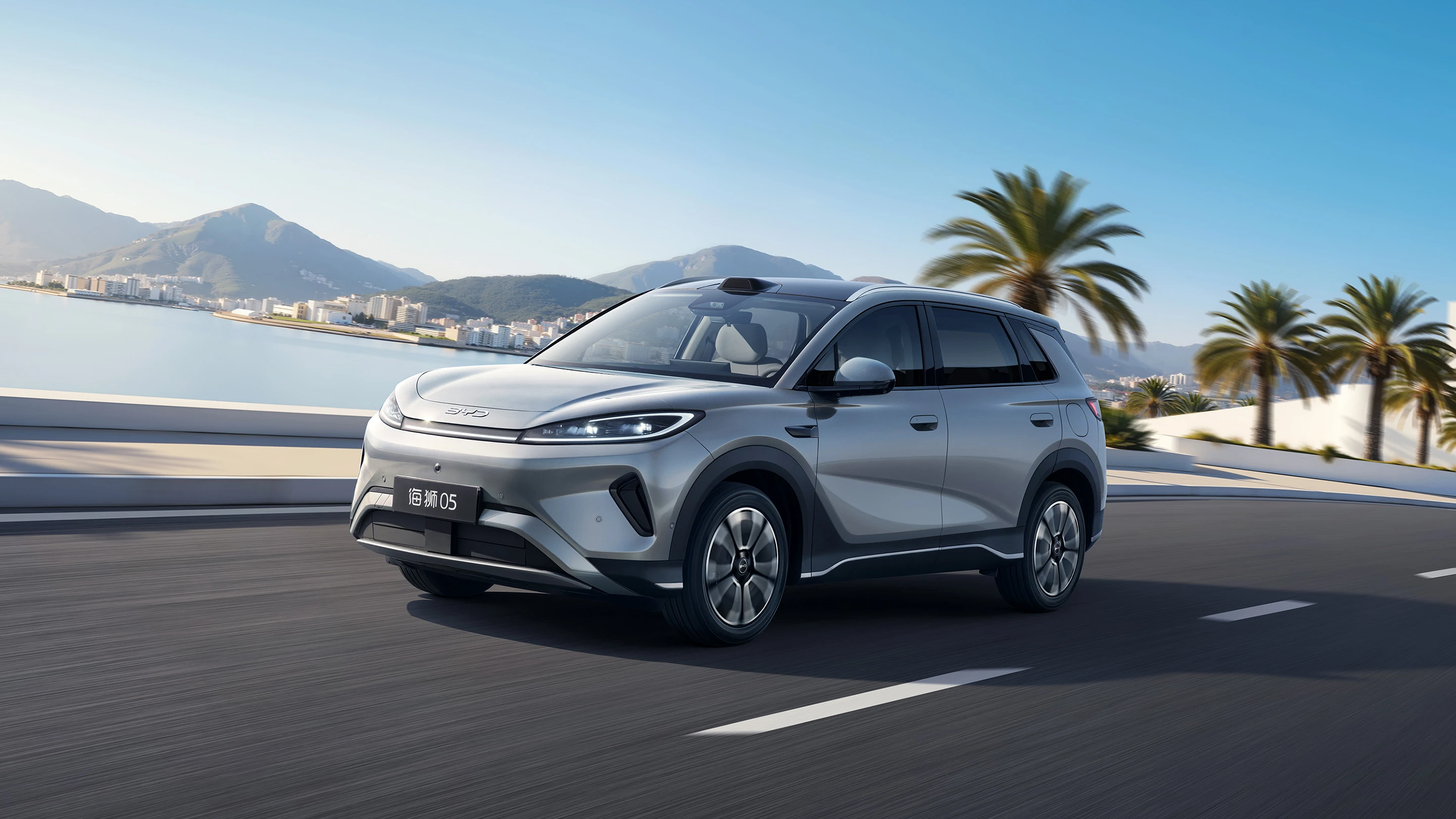
Xiaomi SU7 underwent a refresh in March 2026, now standard across all trims with an 800V architecture, LiDAR, and Xiaomi HAD Enhanced; its Standard and Pro versions deliver up to 235 kW, while the Max variant achieves a combined output of 508 kW. Though Dolphin hasn't yet been refreshed, official filings suggest the upcoming model may feature second-generation Blade Battery and fast charging technology, with motor options offering 100 kW and 120 kW outputs.
Beneath the Numbers: Deepening Structural Divergence
Data shows fuel-powered sedans continue to dominate the mainstream family-car price band of RMB 100,000–200,000, whereas Chinese brands lead both the sub-RMB-100,000 micro-EV segment and the premium RMB-200,000+ pure-electric market. While BYD Seagull did not appear in the top 10, it remains firmly entrenched among the leaders in the A0-class pure-electric segment — its current absence likely tied to nearing end-of-cycle and no imminent model renewal. Industry analysts note that the BYD Qin MAX, scheduled to debut in August 2026, could emerge as the next challenger to core joint-venture fuel-powered models.
Comments
0 commentsNo comments yet. Be the first!
Post Comment