
The all-new Polestar model, the Polestar 4 SUV, will begin global sales on September 2, 2026. Officially labeled a "sports utility vehicle," its proportions align more closely with a station wagon — its elongated, low-slung silhouette evoking classic European shooting brakes like Volvo V60, rather than the high ground clearance and boxy, rugged form of traditional SUVs.
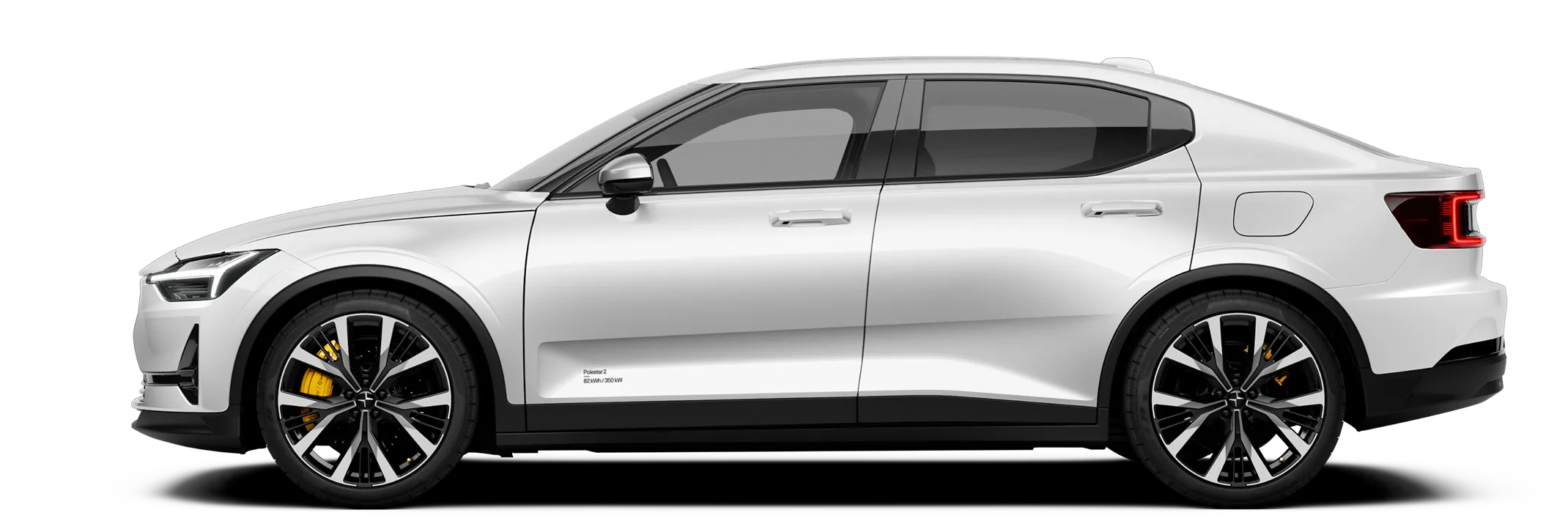
Despite the 'SUV' designation in its name, the Polestar 4 SUV follows the original Polestar 4's product logic: it is also built on the SEA (Sustainable Experience Architecture) developed under GEELY Holding Group. Its dimensions are expected to match those of the first-generation Polestar 4 launched in 2023 — 4,845 mm long, 2,008 mm wide, 1,544 mm tall, with a wheelbase of 2,999 mm. Notably, the vehicle retains the existing 400V electrical architecture and does not upgrade to the industry-standard 800V high-voltage fast-charging system.
Powertrain options will include two variants: an entry-level single-motor version delivering a maximum output of 200 kW (268 hp), and a dual-motor all-wheel-drive performance variant producing a combined peak power of 400 kW (536 hp). Both trims come standard with a 100kWh ternary lithium battery pack, offering a WLTP range of 590–620 km. This powertrain closely mirrors that of the first-generation ZEEKR 001, which has already officially entered the European market.
Notably, the Polestar 4 SUV has undergone multiple road tests across China, suggesting development focus may have centered on the Chinese market. However, mass production is expected to be handled by Renault's factory in South Korea — a move widely seen as another signal of deepening strategic cooperation between GEELY and Renault. Meanwhile, Polestar closed its last directly operated store in China in October 2025, and its total deliveries in China for 2025 stood at just 287 units (per China EV DataTracker). Full-year 2026 sales figures remain unreleased. Industry analysts believe that, given intense local competition — where homegrown brands increasingly adopt 800V platforms and more advanced intelligent driving systems — the Polestar 4 SUV has no clear short-term plan to re-enter the Chinese market.
Comments
0 commentsNo comments yet. Be the first!
Post Comment