
According to Wang Di, China's Ambassador to Canada, speaking to Reuters, Lotus — the UK-based high-performance electric vehicle brand under Geely Holding — will officially enter the Canadian market in July 2026. This marks the first batch of battery electric vehicles (BEVs) sold in Canada with Chinese capital ownership and Chinese manufacturing origins, signifying a substantive milestone in China-Canada new energy vehicle trade.
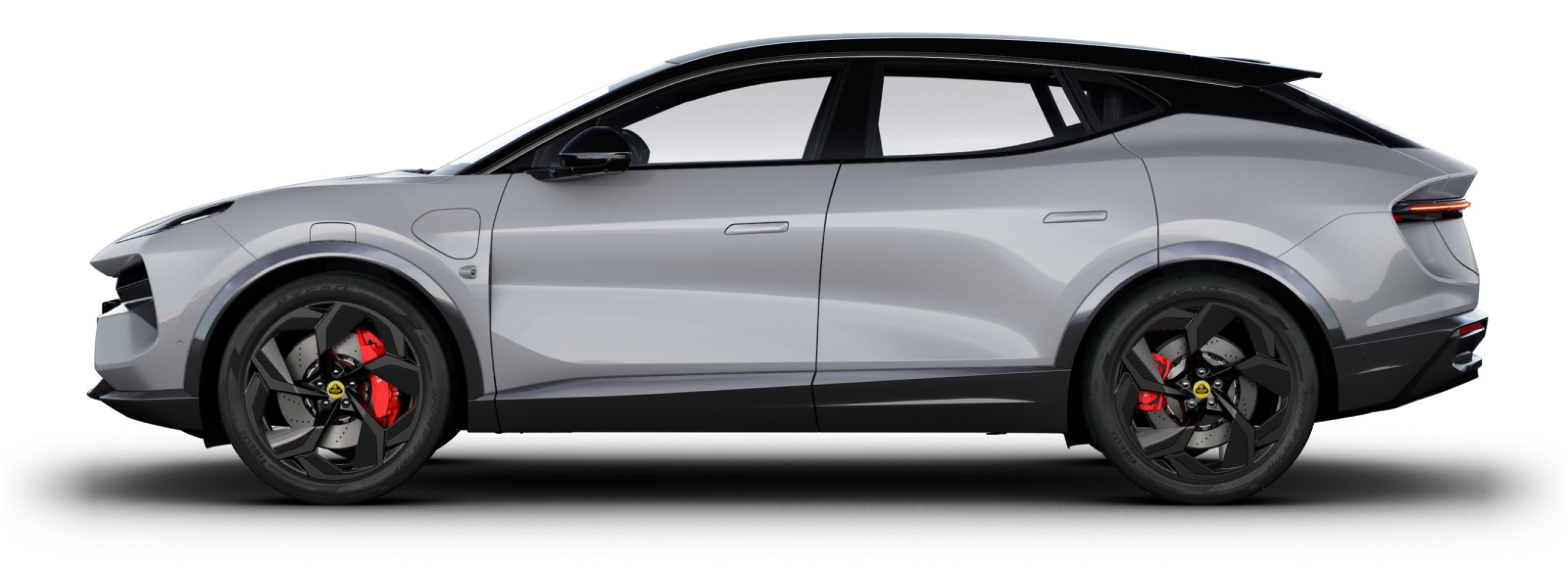
This import initiative leverages a phased trade arrangement reached between Canadian Prime Minister Mark Carney and Chinese authorities — under which up to 49,000 China-made EVs may enter Canada annually at preferential tariff rates. The move is viewed as a key step by Canada toward trade diversification and reduced reliance on the U.S. Ambassador Wang confirmed that the first 18 Lotus ELETRE units have already departed for Montreal and will be delivered there in a local handover ceremony.
Notably, although the Lotus brand originated in the UK, since its acquisition by Geely Holding in 2017, its electrification R&D, production, and supply chain have been deeply integrated into Geely's global ecosystem. The 2026 ELETRE is mass-produced at Geely's intelligent manufacturing plant in Wuhan, featuring a dual-motor all-wheel-drive system delivering peak power outputs of 58 kW and 85 kW, and peak torque of 130 N·m and 150 N·m respectively. Its CLTC-rated ranges are 500 km and 600 km, depending on battery configuration. Pricing and detailed specifications for the Canadian market have yet to be announced.
Besides Lotus, Chinese automakers including BYD and NIO are also coordinating with Canadian government agencies to advance regulatory approval processes. Ambassador Wang noted that some vehicles have already entered Canada for localized testing; other Chinese BEV brands are expected to complete all compliance procedures and begin rolling out this autumn. Li Ke, Executive Vice President of NIO, told Reuters that its Canadian sales "may commence in 2027."
Global Affairs Canada declined comment on specific models, shipment volumes, or timelines, citing commercial confidentiality. Lotus Automotive has not responded to media inquiries.
Analysts observe that the Lotus ELETRE's entry into Canada is more than a single-brand overseas expansion — it reflects a broader evolution in China's new energy vehicle industry globalization: shifting from complete vehicle exports to technical standard adaptation, localized service network development, and potentially joint venture manufacturing and supply chain collaboration. However, the U.S. has expressed concern over this development, and ongoing tariff disputes between China and Canada — particularly in agricultural products — mean the pace of future cooperation remains uncertain.
Comments
0 commentsNo comments yet. Be the first!
Post Comment