
Design: Class-Defying Dimensions, Strong Family Presence
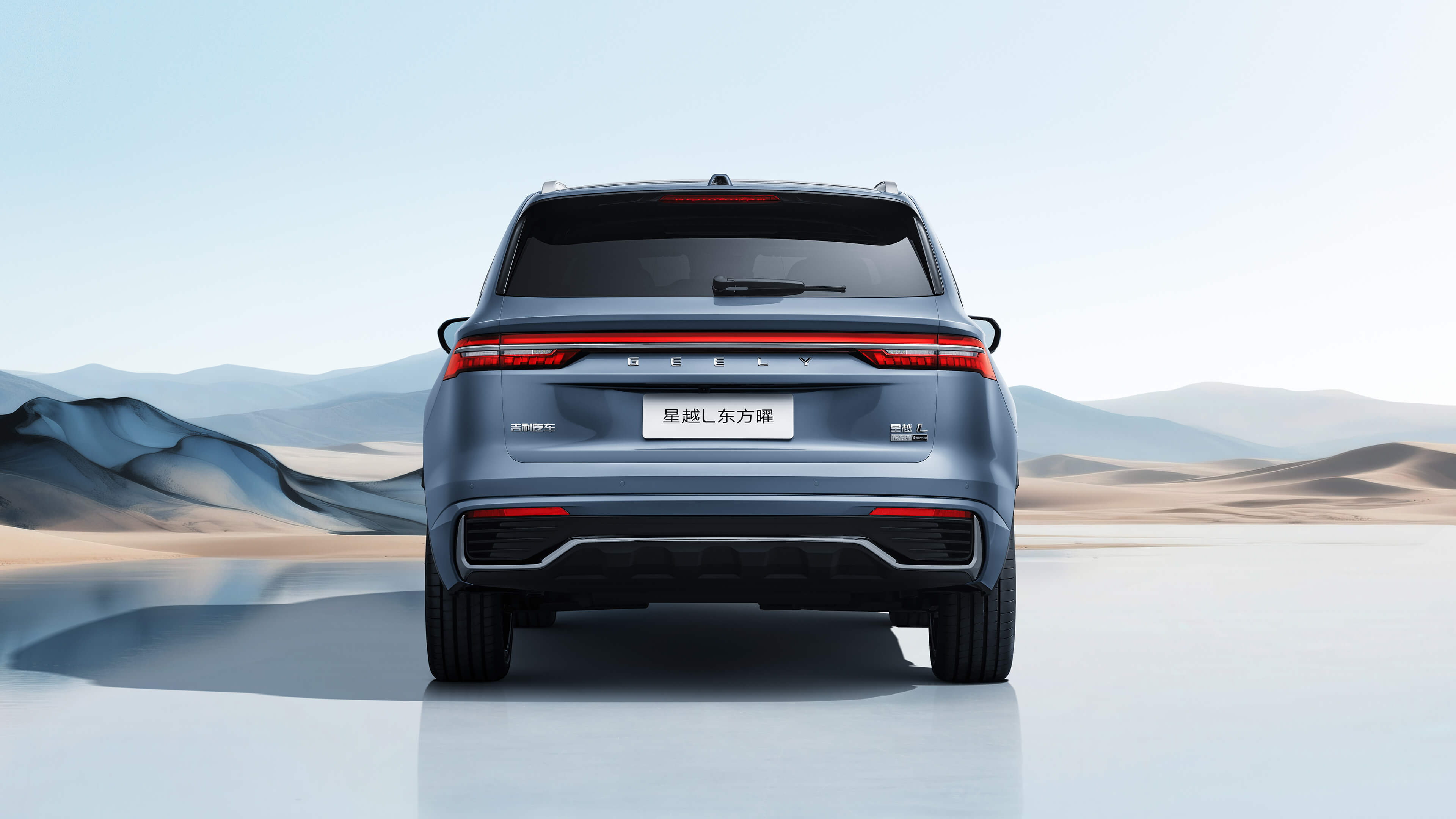
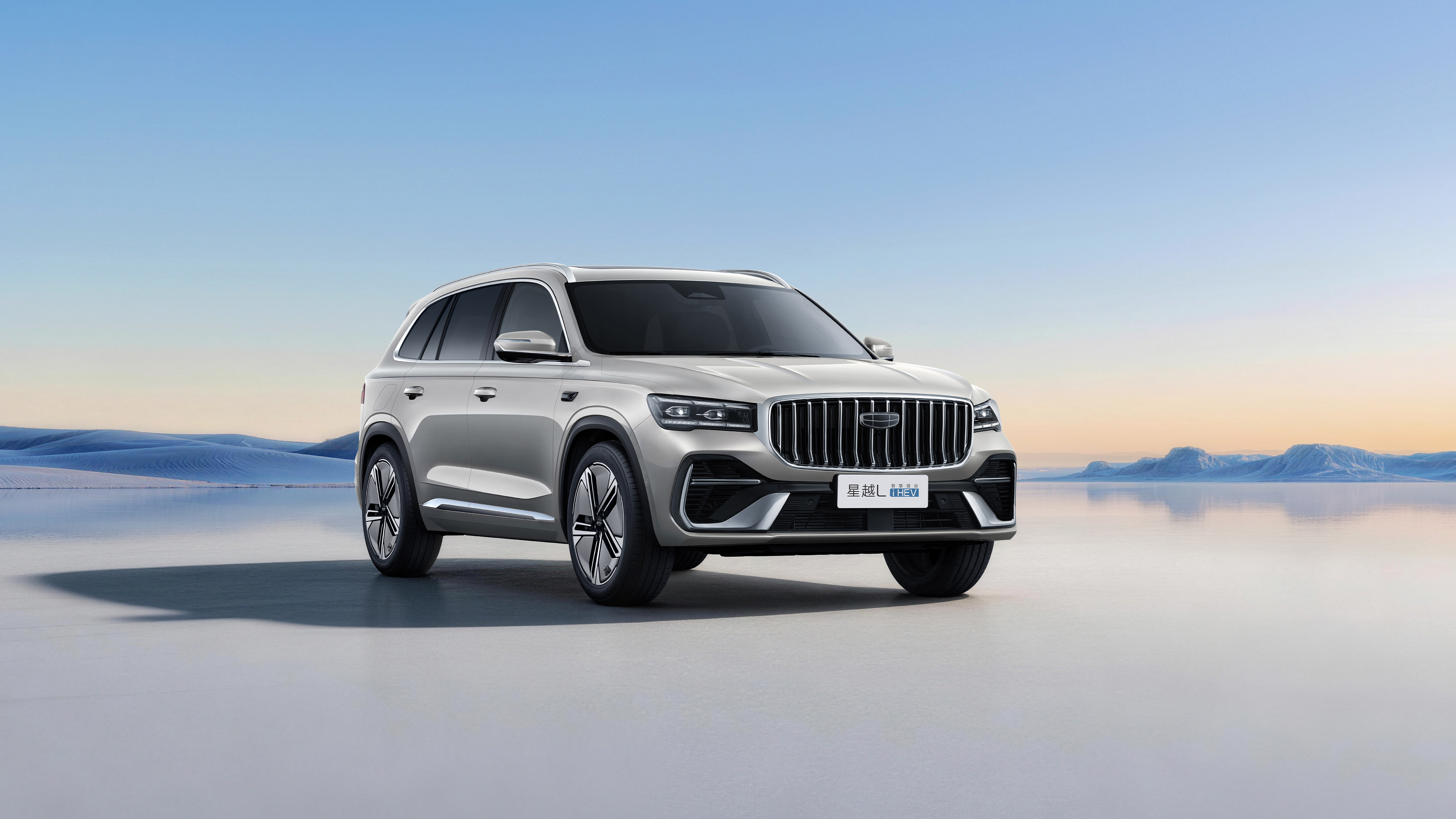
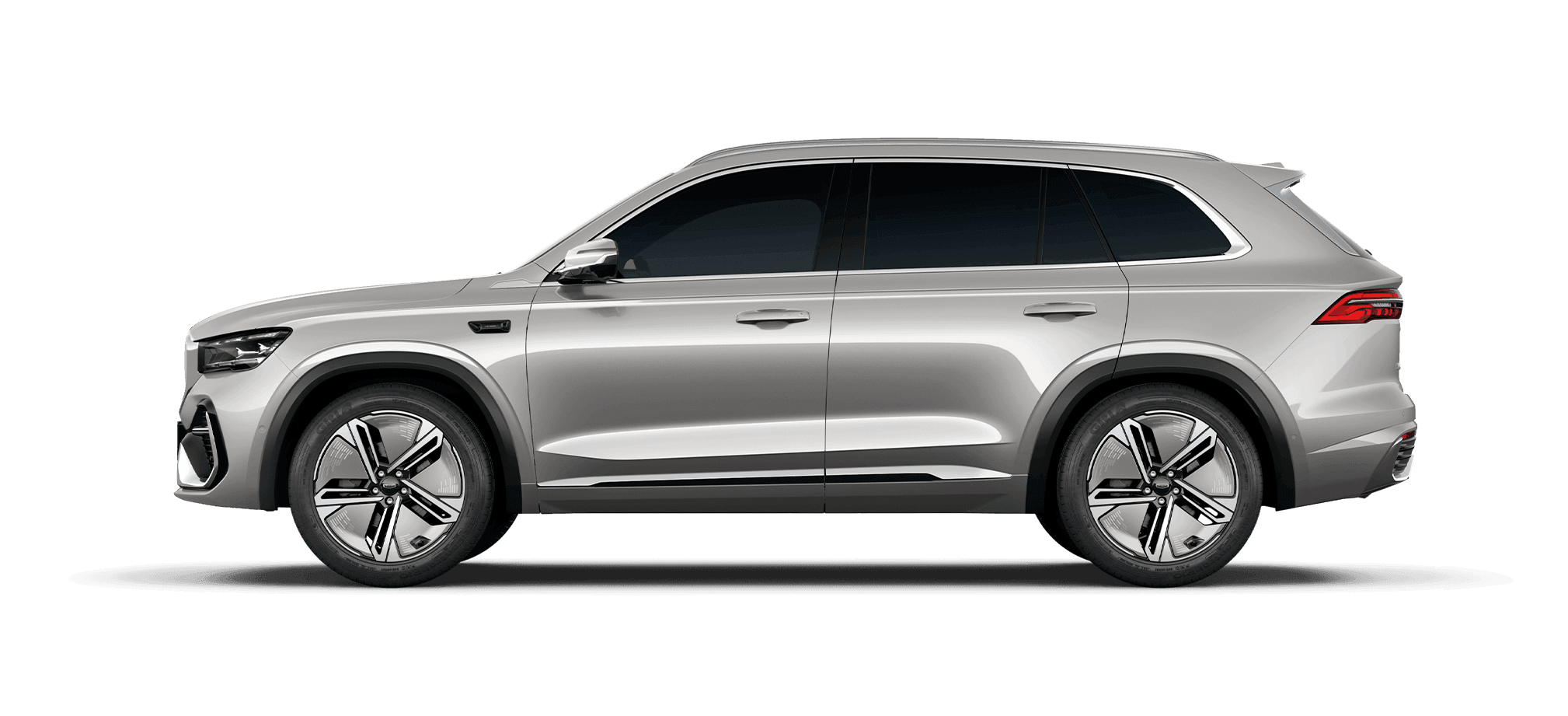
The Geely Monjaro 2026 i-HEV Zhiqing Hybrid Xinghan Edition measures 4795 mm long with a 2845 mm wheelbase — officially classified as compact, yet it quietly straddles the midsize SUV segment, even outpacing the Tiguan L Pro in length. The front fascia retains Geely's family design language; the Starlight Blue body exudes poised tension against desert-mountain backdrops. Side profile lines flow smoothly and elegantly, while the Starlight Silver variant highlights refined contours against dark backgrounds. The rear end is full-bodied and confident, with a sleek full-width-style taillight seamlessly integrated with chrome trim.
Powertrain: i-HEV Hybrid System Sets Benchmark for Cabin Quietness
As Geely's third-generation hybrid solution, i-HEV is neither plug-in nor range-extended — it's an intelligent electric-hybrid system prioritizing fuel efficiency and driving smoothness. Real-world NVH performance is class-leading: road noise is well-damped, and engine engagement is nearly imperceptible — even during steady cruising on the city Ring Road or stop-and-go low-speed traffic. Unless you're actively monitoring the energy flow display on the central screen, you'd hardly notice when the ICE fires up. In Comfort and Smart modes, throttle response remains linear and vibrations minimal; Sport mode increases direct-drive frequency, yet cabin noise stays within acceptable limits. A taut chassis setup, paired with exceptional sound insulation, delivers a premium ride feel far beyond most rivals at this price point.
Intelligence: Feature-Rich Cockpit, But Rear-Seat Interaction Feels Sparse
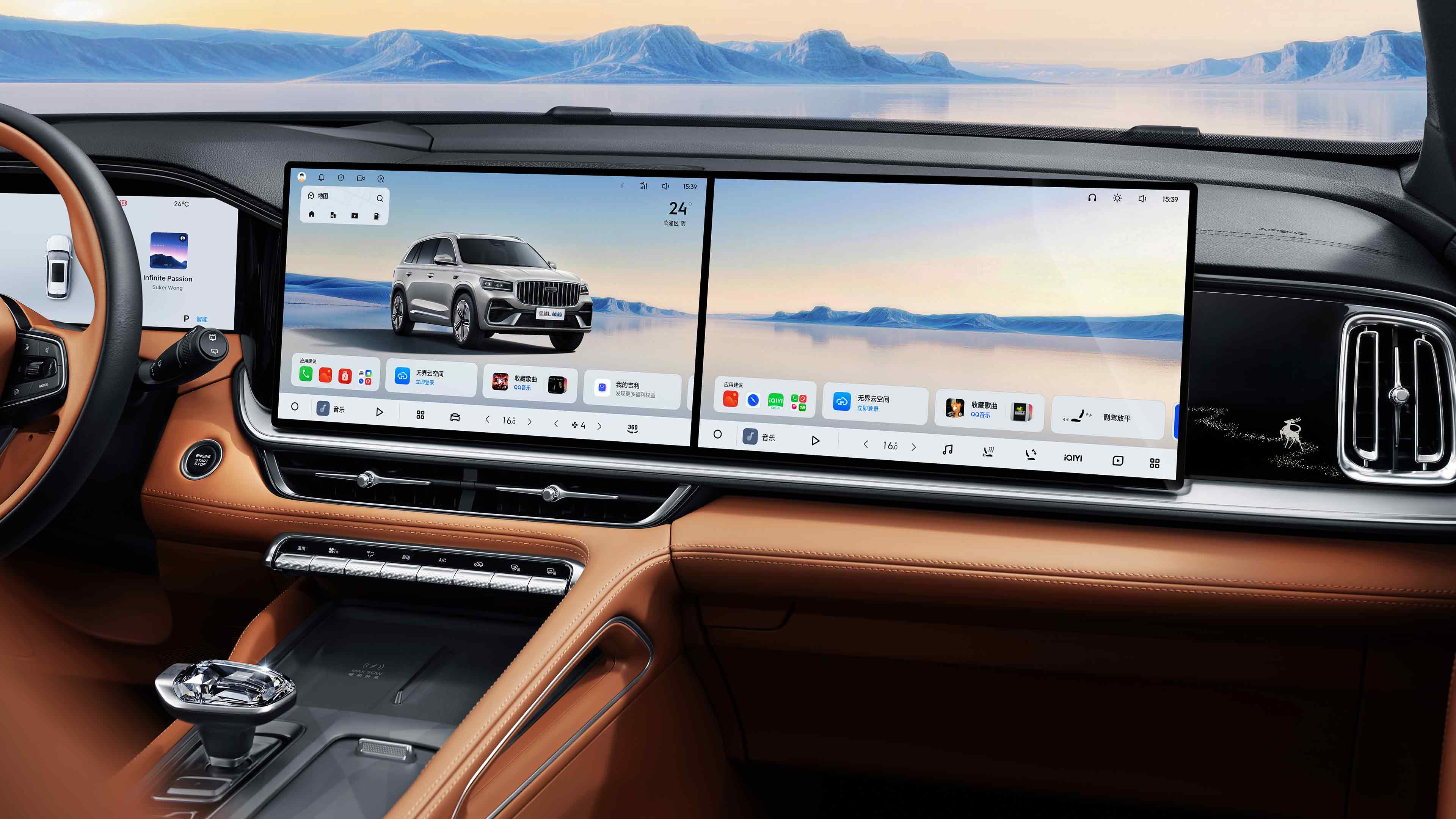
The interior adopts an enveloping layout. The central touchscreen is sharp and intuitive; the steering wheel offers solid grip; and the UI logic is straightforward. The driver enjoys headrest-mounted speakers, heated steering wheel, ventilated & massaging seats, plus HUD head-up display — now standard on mid-to-high trims. Yet the front passenger gets only seat heating — no ventilation or massage. The rear row features just one AC vent; the so-called "screen zone" is actually a piano-black decorative panel, offering only Type-A/Type-C USB ports and basic storage — clearly prioritizing driver-centric tech, which feels unbalanced for family buyers.
Pricing & Positioning: Practical for Families — but Configuration Logic Raises Questions
The final MSRP hasn't been announced yet; we only know it's positioned as a family-oriented hybrid SUV, with official pricing still pending. Compared to the rival Changan CS75 PLUS Lanjing Super Hybrid, its next-to-top trim already includes ventilated & heated front seats, while the top trim adds four-seat ventilation and massage — all at a lower official price. While the Monjaro i-HEV leads in size and quietness, it falls short in fair configuration distribution.
Verdict: Clear Strengths, Honest Trade-offs
The Geely Monjaro i-HEV 2026 model epitomizes the "long strengths, visible weaknesses" philosophy: class-defying space ensures relaxed family travel; class-leading NVH delivers serene daily commutes — these two advantages alone cement its core competitiveness in the family SUV segment. However, the front passenger's trimmed-down amenities and relatively low rear seat cushion (especially lacking thigh support for taller passengers) aren't dealbreakers — but they do demand conscious trade-off decisions from buyers. If driver experience and cabin serenity rank highest, this model deserves serious attention. If you seek truly balanced, "whole-family-friendly" equipment, cross-shopping remains essential. It's not perfect — but it's undeniably distinctive among 2026's hybrid family SUVs.
Comments
0 commentsNo comments yet. Be the first!
Post Comment