
Within China’s joint-venture automaker landscape, FAW Toyota and GAC Toyota have long been seen as benchmark players. But in 2026, that balance has been completely shattered—new data shows FAW Toyota’s domestic retail sales in May totaled just 34,958 units, a 49% year-on-year plunge; meanwhile, GAC Toyota sold 55,048 units in the same period—down 15% YoY, yet still significantly ahead. More strikingly, among FAW Toyota’s nine currently on-sale models, not a single one surpassed 10,000 units in May, with the RAV4 Forester leading at 9,857 units.
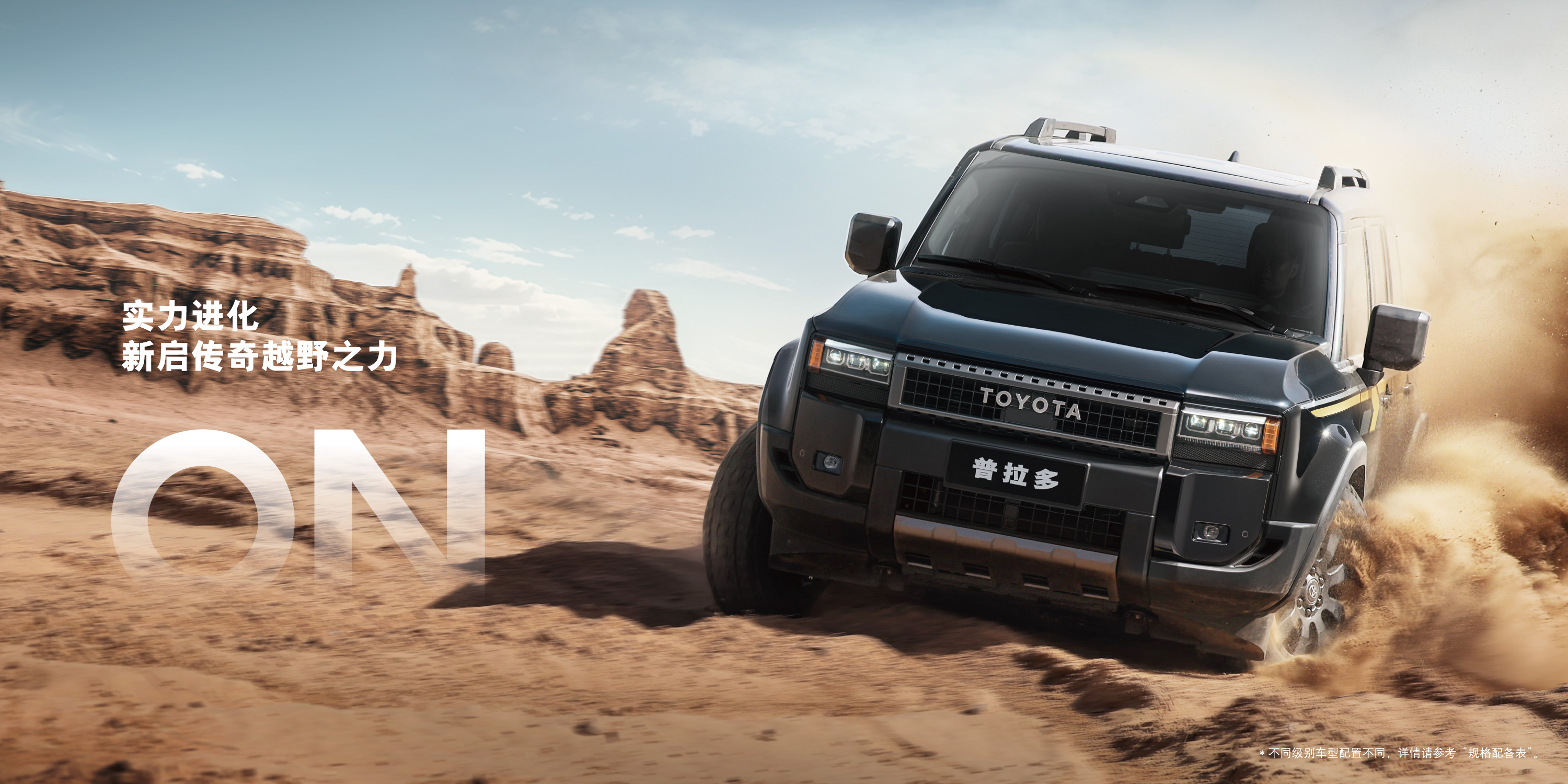
Looking back, FAW Toyota did enjoy an early-mover advantage: it rolled out its first model—the Vios—in 2002, becoming Toyota’s first full-vehicle joint venture in China. In 2016, its sales hit 658,800 units—far exceeding GAC Toyota’s 421,800. At the time, its lineup spanned the Vios, Corolla, Crown, RAV4 Forester, Prado, and Coaster, with superior production capacity and dealer network coverage. GAC Toyota didn’t begin production until 2006, initially relying solely on the Camry for breakthrough growth.
Yet that advantage failed to endure. By 2025, the two companies’ annual sales had narrowed to 805,500 (FAW) versus 772,700 (GAC)—a slim margin. Entering 2026, GAC Toyota gained momentum through rapid volume ramp-up of its bZ electric series, while core ICE models—including the Camry (12,237 units), Frontlander (10,725 units), Highlander, and Sienna—delivered steady performance, anchoring its fundamentals. In contrast, FAW Toyota lagged markedly in new-energy deployment, and traditional flagships like the Corolla, Avalon, and Corolla Cross all showed signs of fatigue—highlighting its delayed pace in transitioning from ICE to electrification.
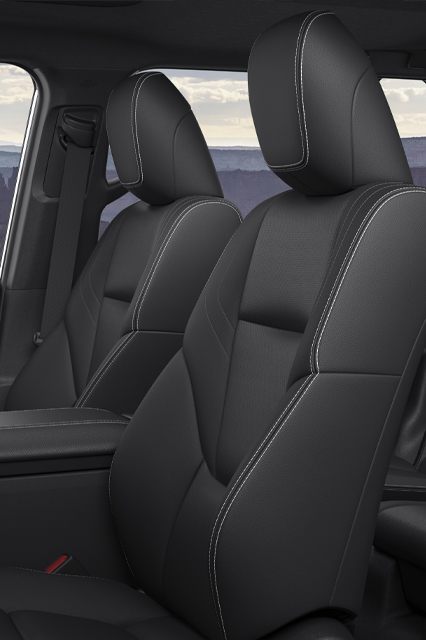
It’s important to clarify that some online claims of ‘FAW Toyota exceeding 50,000 units in May’ reflect terminal-level data—including wholesale shipments, insurance registrations, and license plate issuances—not the industry-standard retail delivery figures. Retail volume reflects actual end-consumer demand, and its cliff-like decline exposes systemic challenges for FAW Toyota: sluggish product portfolio renewal, weakening regional channel vitality, and slow response to electrification. Its once-celebrated ‘ace-in-the-hole’ launch is now facing a pivotal inflection point—from scale leadership to strategic drift.
Comments
0 commentsNo comments yet. Be the first!
Post Comment