
From January to May 2026, LYNK & CO automotive sales declined 23.7% year-on-year, with monthly drops of 39.9% in April and 39.4% in May. Amid the phase-out of new-energy vehicle purchase tax incentives and broader pressure on the passenger vehicle market, sales across LYNK & CO's entire lineup have softened — only LYNK & CO 06 EM-P posted slight growth, while all other core models saw continued monthly declines, sharply raising the bar for achieving the brand's full-year sales target.
07GT: Precise Positioning — But Not a Panacea
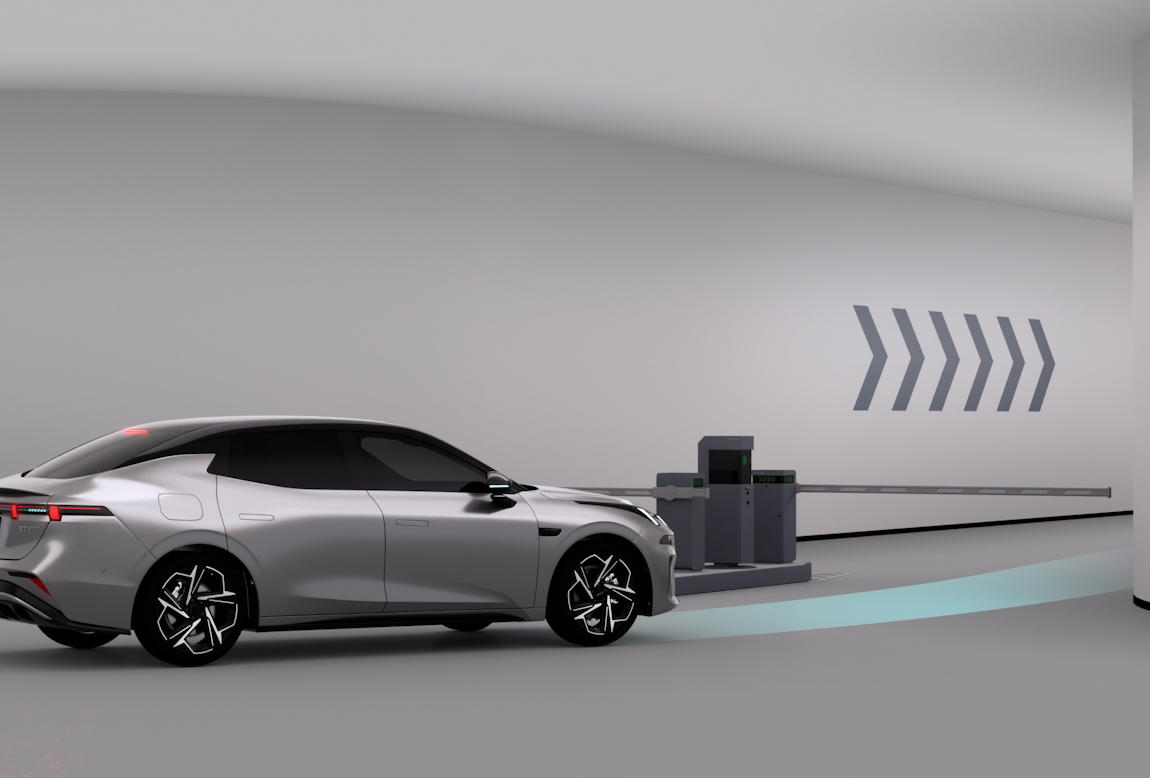
In June, LYNK & CO officially launched pre-orders for the LYNK & CO 07 GT, with the official announcement confirming "pre-order price equals delivery price" — starting at 165,900 RMB. Positioned as a "tech-savvy PHEV sport wagon," the model blends the practical cargo capacity of a wagon with the sleek stance of a coupe, filling a gap in the brand's midsize sedan portfolio. Against the backdrop of a doubling in new-energy wagons/hatchbacks launched between 2021 and 2025 (from 129 to 249 models), its plug-in hybrid powertrain stands out as especially rare — only about 10% of the 50 new-energy wagons/hatchbacks currently on sale are PHEVs.
Real-World Challenge: The Gasoline Core Is Inescapable
Despite supply gaps in this niche segment, LYNK & CO 07 GT faces a tough reality: the 150,000–200,000 RMB price bracket remains dominated by gasoline vehicles. From January to May 2026, gasoline-powered vehicles held a 60.2% market share in this segment, and seven of the top ten best-selling models were gasoline-powered — all exceeding 10,000 units per month. Competing solely against new-energy rivals (e.g., Xpeng P7) is unlikely to generate sufficient incremental volume. To meaningfully lift overall brand sales, LYNK & CO 07 GT must win over users from the large existing base of gasoline wagon and sporty sedan buyers.
Takeaway: Differentiation Is Just the Starting Point — Breaking Through Is Key
The LYNK & CO 07 GT is a well-rounded contender: packed with smart features, highly practical body architecture, a rare powertrain type, and a distinctive design language. Yet the wagon segment remains nascent, inherently capped at lower sales volumes. Its ultimate success hinges on transcending energy-type boundaries and achieving cross-segment appeal — for example, attracting buyers originally considering B-segment gasoline sedans or crossover SUVs. Market uncertainty remains, but choosing a differentiated path is itself a positive signal.
Comments
0 commentsNo comments yet. Be the first!
Post Comment