
Design: Rugged Silhouette, Urban-Agile Proportions
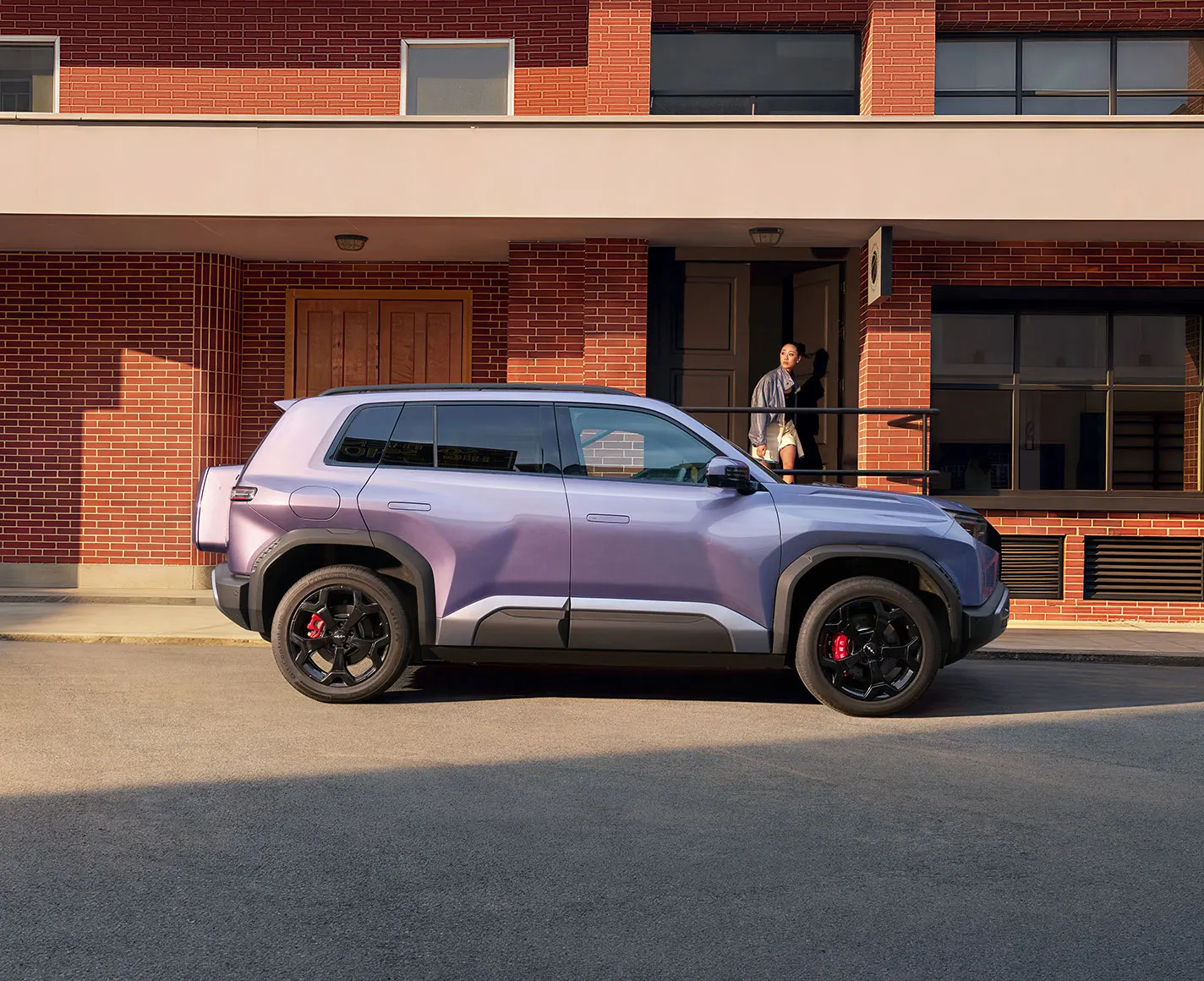
The 2026 FANG CHENG BAOTitanium 3 Flash-Charging Edition retains the family's mecha-inspired styling — short front overhang, high ground clearance, and a boxy, assertive profile that delivers strong visual identity. Its compact yet uncramped proportions shine especially well against red-brick architecture, with the violet paint finish adding refined depth (see image below). Though positioned as an urban SUV, it boasts remarkably tight turning geometry: low-speed steering is highly responsive, delivering exceptional maneuverability for U-turns on narrow streets or parallel parking — not just a spec-sheet figure, but a tangible daily commuting advantage.
Powertrain: Rear-Wheel Drive + Flash Charging — High Highway Consumption, Exceptional Refueling Speed
The Titanium 3 RWD Flash-Charging Edition mounts BYD's second-generation Blade Battery — a 75.6 kWh lithium iron phosphate (LFP) pack. In real-world testing, after cruising over 200 km on the highway, the vehicle was plugged into a third-party 600 kW ultra-fast charger. From 8% to 81% state of charge, it took just 10 minutes — replenishing 60.91 kWh. This refueling speed rivals some battery-swap experiences. Note: The article does not confirm whether this battery supports a full 800V architecture, nor clarifies if this charging rate reflects lab-ideal Li conditions or consistent real-world user performance.
Chassis & Handling: Cloud-Nian C Suspension Delivers Refinement — But Brake Feel Is Jarring
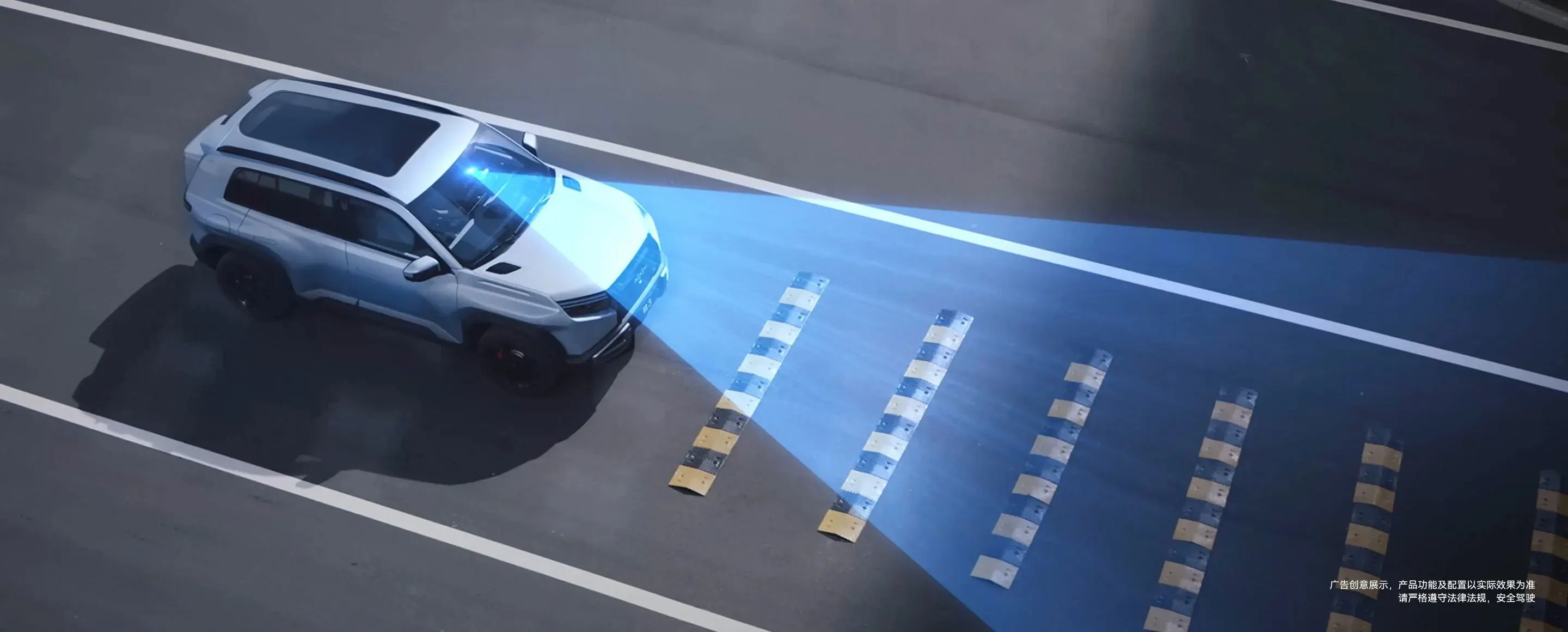
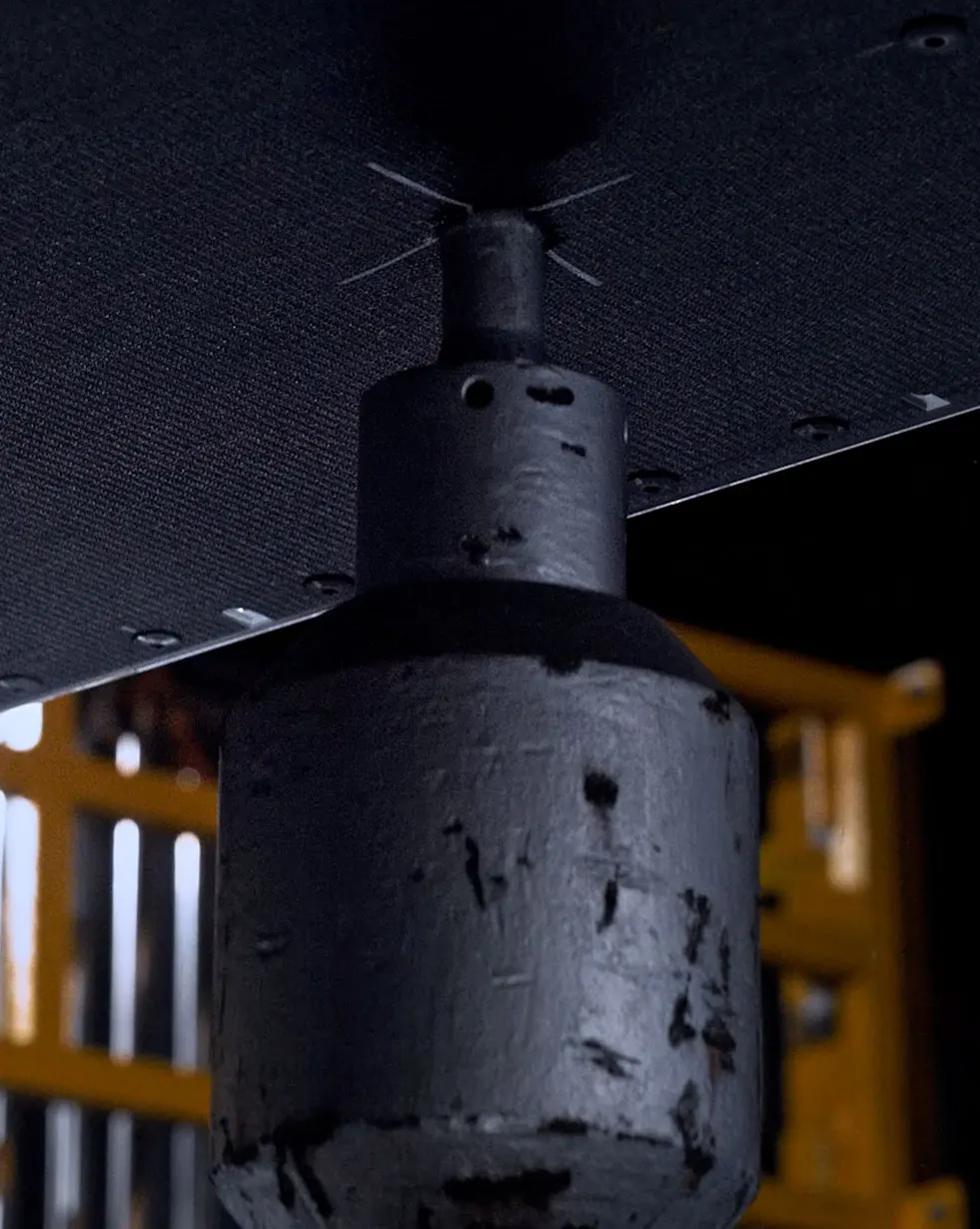
Standard Cloud-Nian C intelligent damping control offers Comfort and Sport modes. At 30 km/h over speed bumps, even Sport mode delivers no harsh impact; Comfort mode eliminates residual vibration almost entirely. During highway lane changes or ramp cornering, body response remains crisp and composed. Chassis hardware quality is solid (see close-up image), yet braking stands out as a clear weakness: the pedal exhibits noticeable initial travel (dead zone), followed by abrupt, binary torque application — a 'switch-like' feel. This is especially pronounced in Sport mode, causing frequent low-speed nodding during stop-and-go traffic. The review repeatedly notes this requires driver adaptation, but does not mention whether OTA updates or dealer calibration could resolve it.
Intelligence & Cabin: No ADAS Details, Interior Prioritizes Physical Comfort Over Tech
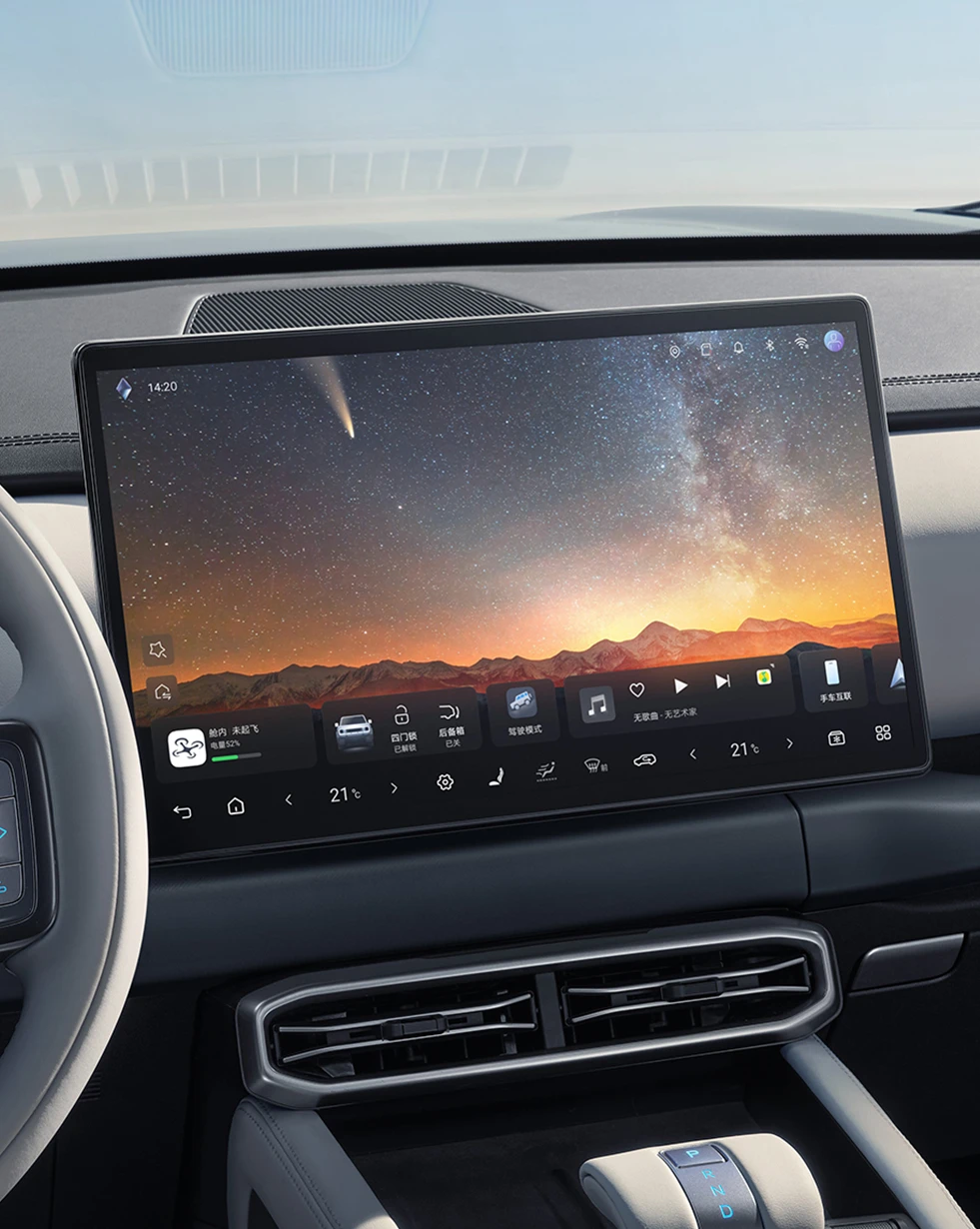
No intelligent driving features are mentioned — no reference to DiPilot, urban NOA, or LiDAR. The cabin focuses squarely on tactile experience: front seats are generously wide, offer elevated seating position, soft cushioning, excellent shoulder support, and ample legroom. Interior materials and build quality receive no subjective rating — only the observation that comfort is prioritized without compromising ergonomics for stylistic drama.
Pricing & Buying Advice: Flash Charging Value Is Context-Dependent
The article cites a price point around ¥150,000, but gives no specific trim name, official MSRP, or dealer discount details. Purchase advice hinges on usage: if you lack home charging, the 10-minute top-up capability holds strong practical value; with home charging available, a non-flash-charging variant may offer better value. The AWD version costs ¥16,000 more than RWD — suitable for light-to-moderate off-road use, though it incurs higher energy consumption and reduced range. The article notes this trade-off exists but provides no concrete range figures or motor specs for either drivetrain.
Conclusion: Strengths Are Sharp, Weaknesses Are Real
The FANG CHENG BAOTitanium 3 Flash-Charging Edition isn't engineered for balance — it pushes 'flash-charging speed', 'chassis refinement', and 'front-seat comfort' to class-leading levels within its segment, while candidly exposing shortcomings in 'brake linearity' and 'highway wind/tire noise'. It suits pragmatic buyers who prioritize refueling convenience, frequently navigate complex urban environments, and tolerate moderate cabin noise. Whether you accept its imperfections? That answer won't be found in the spec sheet — but in the first few minutes behind the wheel, when you press the brake and merge onto the highway.
Comments
0 commentsNo comments yet. Be the first!
Post Comment