On September 15, ⟨G0⟩'s A-share stock plunged 5.09% in a single day, while its H-share dropped 6.12% — a market shock triggered by a major partnership adjustment announcement: the ⟨G1⟩ brand will shift from ⟨G2⟩'s end-to-end leadership to a new model led by ⟨G0⟩ with technical empowerment from ⟨G2⟩.
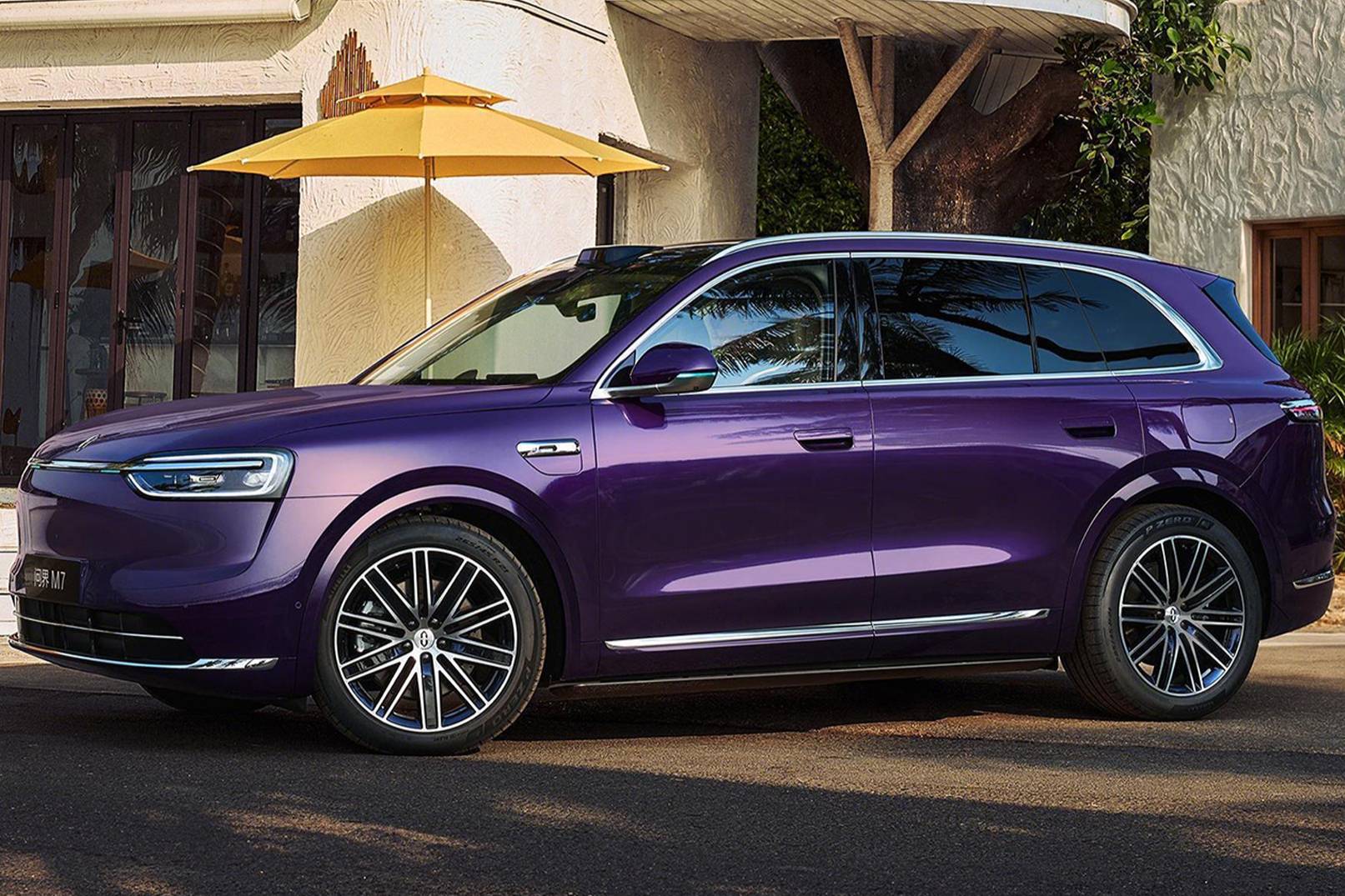
At 5 p.m. that afternoon, ⟨G1⟩ officially announced it would explore this new model under the ⟨G3⟩ cooperation framework: core areas — including product definition, design language, pricing strategy, supplier selection, and after-sales service — will now be independently decided by ⟨G0⟩; ⟨G2⟩ will focus on empowering foundational technologies such as intelligent cockpits, advanced intelligent driving, and intelligent electric drive systems — and continue providing OTA updates and feature iterations. This means ⟨G2⟩ no longer participates in operational decision-making and transitions to a technology partner role.
Meanwhile, the "exclusive dedicated dealership" policy has taken effect: ⟨G1⟩ will establish an independent sales and service network. Approximately two to three hundred stores previously part of the ⟨G3⟩ system will be reassigned to ⟨G1⟩-only operations, displaying and selling only ⟨G1⟩ models; remaining dealerships will exclusively handle the four series ⟨G7⟩, ⟨G9⟩, ⟨G6⟩, and ⟨G8⟩. According to channel insiders at ⟨G2⟩, all branded dealerships bearing the name "⟨G2⟩" will cease selling ⟨G1⟩ products entirely starting January 1, 2027.
This adjustment is not a split — but rather a collaborative restructuring. ⟨G1⟩ remains included in ⟨G3⟩'s sales volume reporting system, and its premium positioning stays unchanged. Yet the core of the partnership has fundamentally shifted — from "⟨G2⟩ defining the vehicle" to "⟨G0⟩ building the car + ⟨G2⟩ adding technological capability."
The impetus stems directly from real-world pressures: in the first half of 2026, ⟨G0⟩ posted a net loss of RMB 1.717 billion; between 2022 and 2025, it paid over RMB 110 billion to ⟨G2⟩, while its non-recurring net profit during the same period totaled just RMB 1.482 billion. In 2025 alone, ⟨G0⟩ paid approximately RMB 56 billion to its largest supplier (widely understood in the industry to be ⟨G2⟩), accounting for more than one-third of its total revenue; per-vehicle component cost allocation reached RMB 50,000, plus technology service fees (2% of vehicle price) and channel marketing fees (8% of vehicle price).
Facing plateauing sales growth and persistent profitability pressure, both parties opted for a phased compromise: ⟨G2⟩ can redeploy resources toward its other four series and its Vehicle Business Unit (BU) strategy, while ⟨G0⟩ stands to regain strategic initiative through cost reduction and efficiency gains. But with the halo fading, will users still pay a premium for a "⟨G2⟩-free" ⟨G1⟩? The answer awaits market validation.
Comments
0 commentsNo comments yet. Be the first!
Post Comment