
Recently, Yamaguchi Ichirō, an executive at Nissan, revealed during a public event that the automaker has significantly shortened its new-vehicle development cycle by systematically adopting R&D organization models and technical practices from Chinese automakers. The development cycle for all-new models has been reduced from the previous 50 months to 37 months; facelifted models now take under 30 months; and the flagship all-new Skyline was developed in just 26 months.
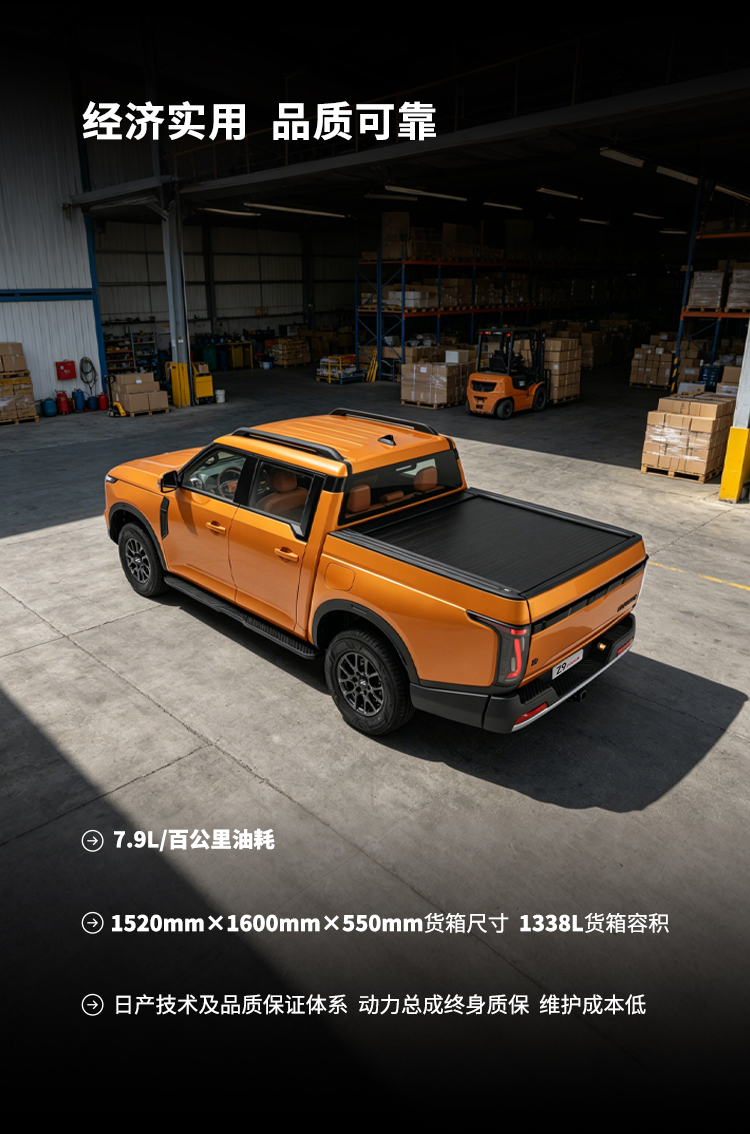
Yamaguchi emphasized that industry competition is accelerating at an unprecedented pace: "If we cannot bring market-fit products to market faster, our company will lose its ability to survive." To meet this challenge, Nissan did not rely solely on isolated technological upgrades but instead comprehensively restructured its R&D system across three dimensions: processes, organizational structure, and tools.
At the process level, Nissan abandoned its former approach — characterized by protracted early-stage iterations and parallel evaluation of multiple design concepts in pursuit of 'holistic, perfect user experience' — and adopted a 'shared core hardpoints' product family strategy. This focuses resources on refining key performance attributes and user-experience advantages, drastically cutting internal redundancy and inefficiency. Organizationally, Nissan eliminated the previous tripartite, peer-level structure comprising Project Director, Product Planning Manager, and Chief Engineer. It replaced it with a streamlined model where the Project Director holds full accountability, and the Chief Engineer reports directly to project goals — significantly reducing cross-functional communication overhead.
In terms of technical tools, Nissan is scaling up AI-powered modeling and testing, digital twin technology, and VR-based virtual simulation — enabling extensive validation to occur entirely in virtual space without physical prototypes. Complementary automated testing systems even support unattended overnight operation, effectively extending the R&D window.
However, Nissan candidly acknowledged that its current 26–37-month development cycle still lags behind top Chinese automakers, whose cycles range from 18 to 24 months. Part of this gap stems from Sino-Japanese workplace culture differences: domestic Japanese teams struggle to match the near-24-hour high-intensity collaborative rhythm common among Chinese teams — a gap offering further room for optimization.
Comments
0 commentsNo comments yet. Be the first!
Post Comment