
At approximately 4:30 p.m. on July 28, a powerful 7.1-magnitude earthquake struck Kumamoto Prefecture in southern Kyushu, Japan — triggering fires, building collapses, highway deformation, and a minor tsunami, and causing widespread disruption to rail and air transport. The quake significantly disturbed the local automotive industry.
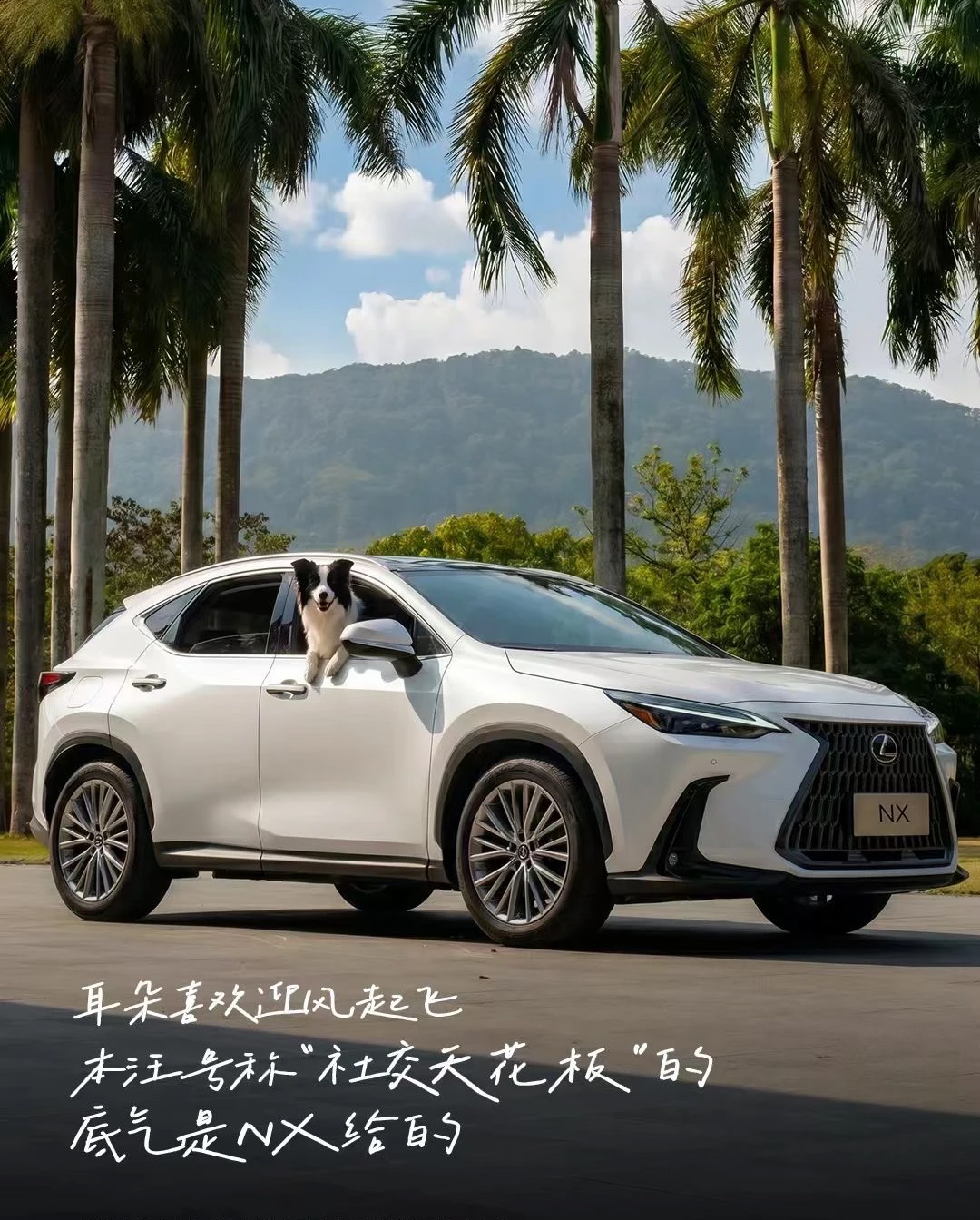
TOYOTA Automobile Co., Ltd. immediately suspended its second-shift production at its northern Kyushu facilities — including the dedicated Lexus assembly plant, the Kanda Engine Plant, and the Kokura Hybrid Powertrain Plant. TOYOTA stated: "Out of comprehensive consideration for safety, logistics, and supplier conditions, we have halted second-shift operations." The company plans to decide whether to resume production starting with the first shift on July 29, based on ongoing assessments. As of now, no injuries or major facility damage have been reported.
The TOYOTA Kyushu Plant serves as the global manufacturing hub for multiple core Lexus models — including the ES sedan and UX, RX, and NX SUVs. According to TOYOTA's official website, roughly 90% of output from this facility is exported to 80 countries and regions worldwide.
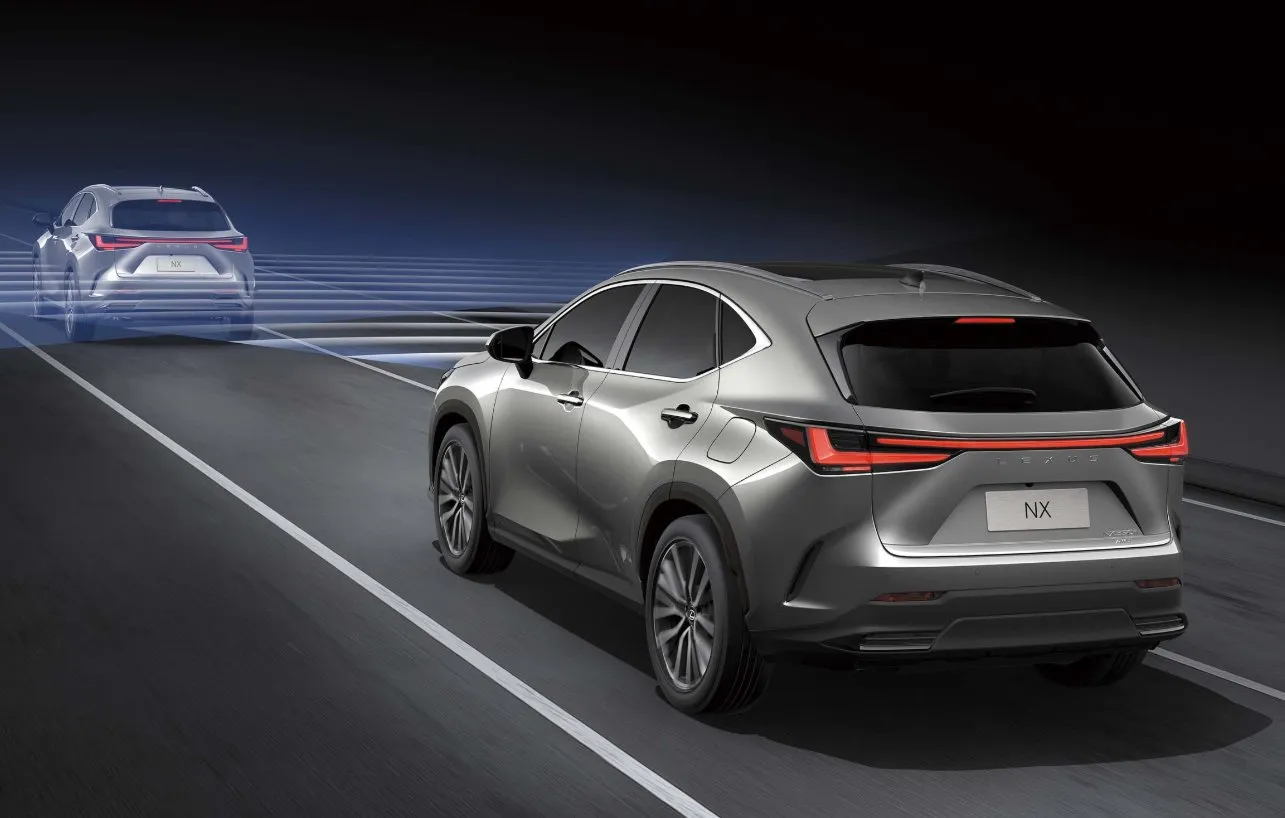
Nissan reported no confirmed injuries or serious facility damage at its sites and maintained scheduled production on the day. It continues monitoring potential follow-up impacts. Its Shatai Kyushu Plant primarily manufactures three full-size SUVs — Infiniti QX80, Nissan Patrol, and Armada — as well as the fourth-generation Elgrand e-Power MPV, recently launched in the Japanese market. Meanwhile, the nearby Nissan Kyushu Plant produces the Kicks e-Power, Serena e-Power, and X-Trail.
Data shows the TOYOTA Kyushu base has an annual capacity of 400,000 units and produced 390,314 vehicles in 2025; Nissan's Shatai Kyushu Plant has an annual capacity of 120,000 units and produced 131,000 units in 2025; Nissan's Kyushu Plant boasts an annual capacity of up to 500,000 units — but MarkLines has not published its 2025 output figure.

Notably, even if vehicle assembly plants remain unaffected directly, numerous Tier-1 and Tier-2 suppliers clustered across Kyushu's dense parts ecosystem may face power outages, transport disruptions, or facility damage — potentially triggering cascading component-delivery delays within days. This remains a long-standing challenge for Japanese automakers managing seismic risk.
Comments
0 commentsNo comments yet. Be the first!
Post Comment