
Design: Evolved Family Language — Refined Aesthetics with Minor Compromises
The Li L6 Ultra retains the signature minimalist design language of the Li family — but it's not a simple copy. It's a measured evolution. The most noticeable front-end change is the integration of LiDAR supplied by Hesai; the forward-facing camera module remains in the same position. The full-width DRLs are retained, and adaptive ADB matrix headlights — previously reserved for higher trims — make their debut on this price tier, enabling intelligent high-beam masking. A welcome upgrade: UWB near-field radar replaces ultrasonic sensors in the bumper, delivering cleaner visual continuity — though real-world detection sensitivity requires long-term validation.
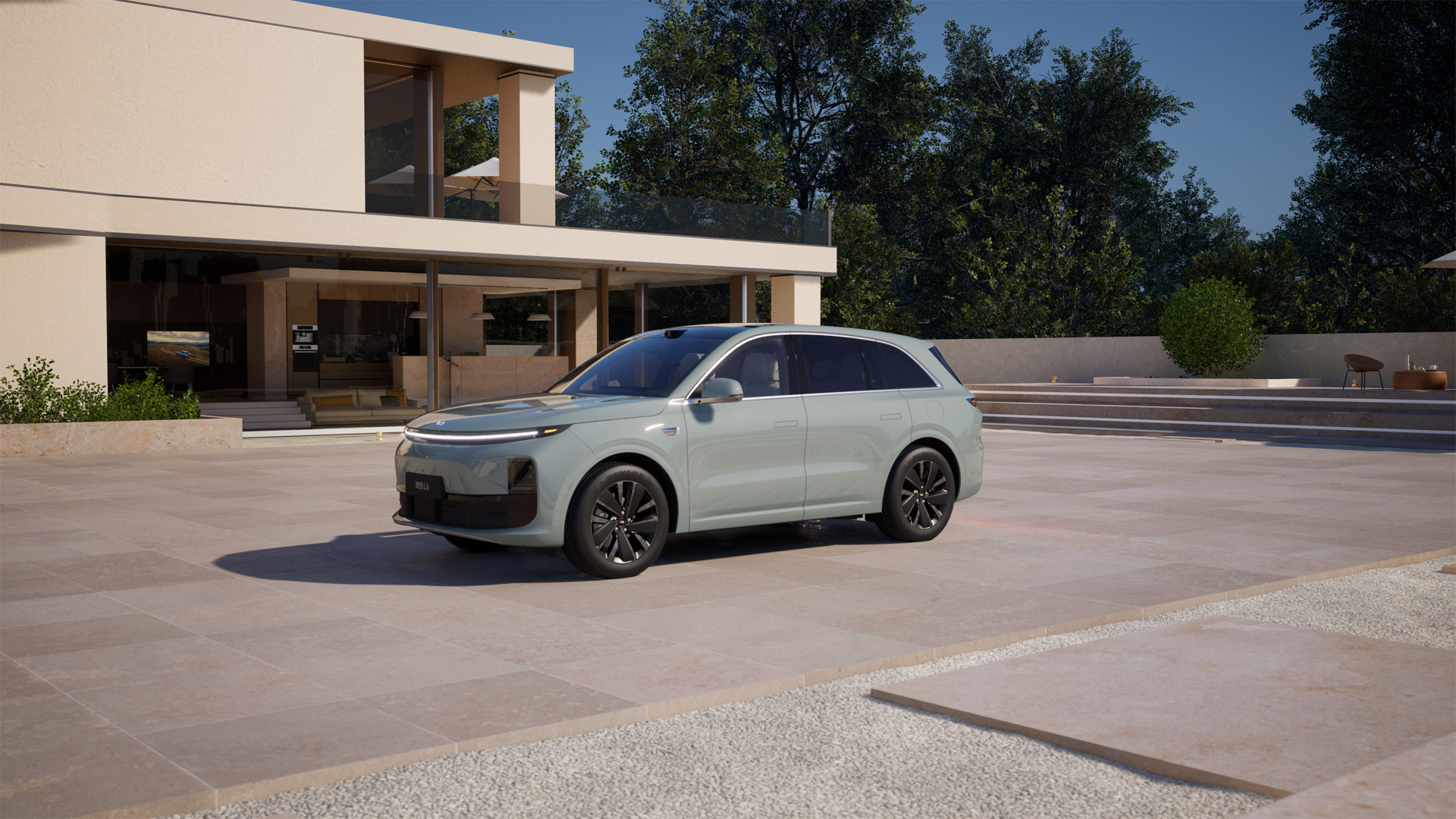
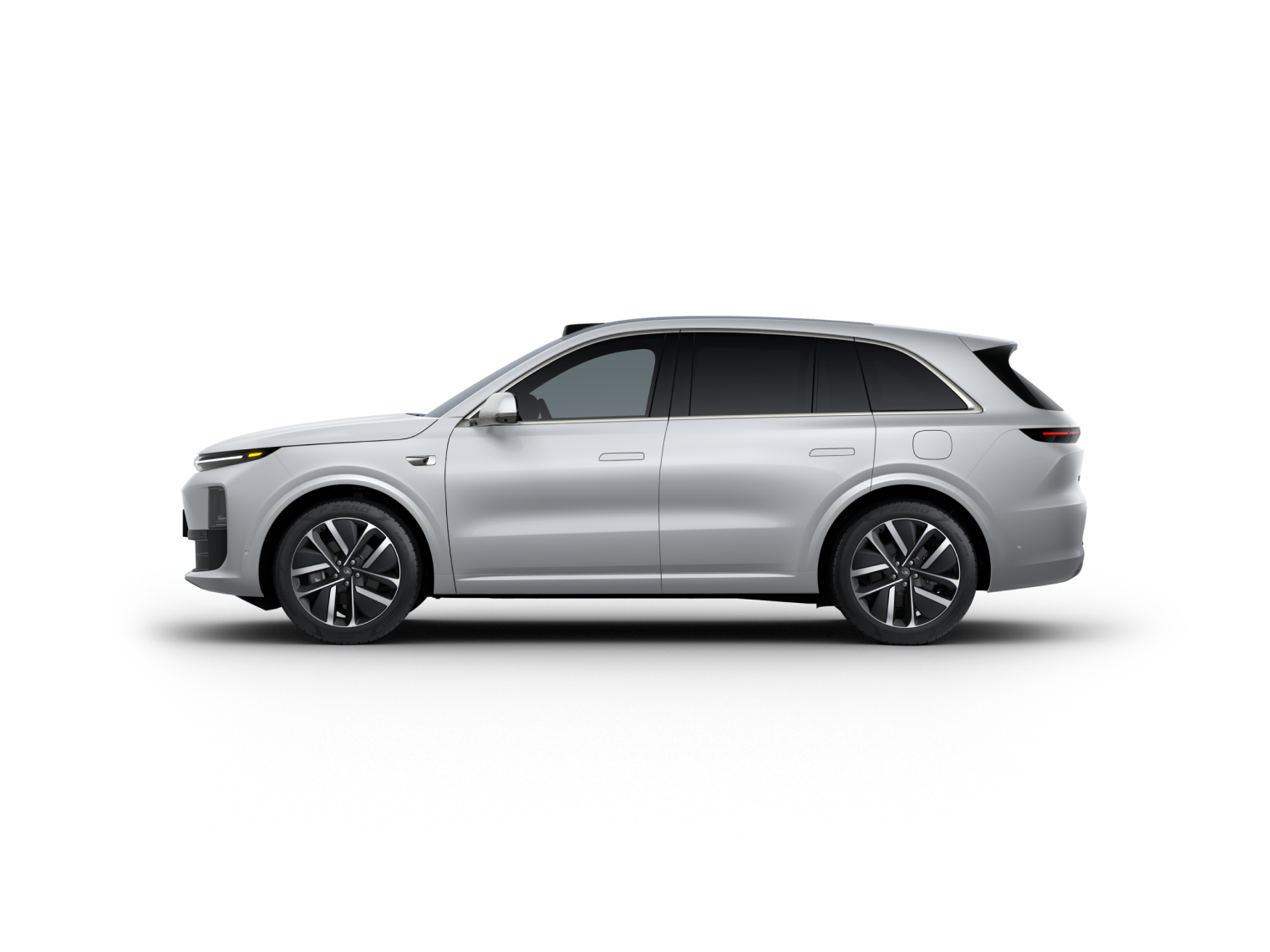
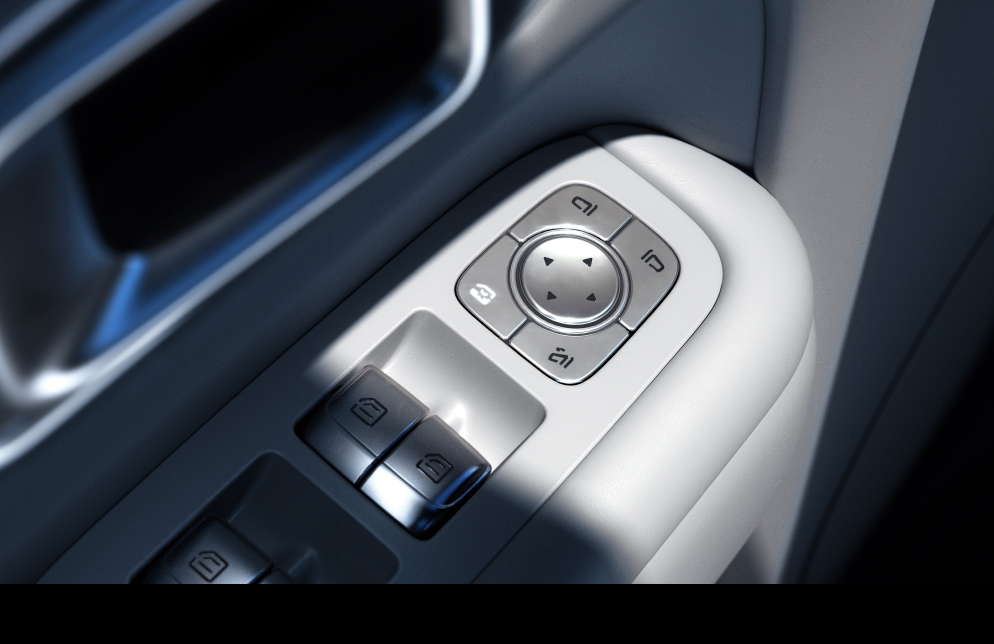
Sideline proportions largely mirror the previous generation, with only subtle rear-end tweaks extending overall length to 4935 mm. Our test vehicle was equipped with the optional Black Sport Package (available free of charge for a limited time), featuring standard 20-inch wheels wrapped in 255/50 R20 Hankook iON eco tires. Upgrading to 21-inch Pirelli P ZERO tires could sharpen dynamic response. Door handles adopt a semi-concealed design, and all four doors feature electric soft-close as standard — though unlike L8/L9 models, they lack micro-motion sensing, requiring manual pull to open.
Rear-end revisions center on relocating the license plate bracket to the tailgate, prompting a full re-sculpting of its surface: the lower section appears flatter and more cohesive, while the upper portion gains stronger contour definition and layered depth. Overall, the L6 Ultra's design language feels more restrained and refined — but still invites 'spot-the-difference' scrutiny. It's pragmatic, steady progress — not revolutionary change.
Powertrain: 300 kW Dual-Motor + 51 kWh Battery — Blistering Acceleration, But Range Extender Noise Stands Out
No structural changes to the powertrain: dual motors deliver a combined peak output of 300 kW and 529 N·m torque, maintaining the official 0–100 km/h sprint time of 5.4 seconds. Curb weight rises to 2520 kg. Thanks to dual-valve CDC dampers and an all-aluminum rear suspension arm, chassis rigidity improves — but initial suspension tuning feels slightly 'soft', with minor residual vibrations over speed bumps, especially in Comfort mode. Switching to Sport mode better suppresses oscillations; though steering return force remains modest, high-speed centering stability is acceptable.
The range extender hasn't yet adopted third-generation tech. Under forced charging mode with heavy throttle input, its noise level exceeds that of the contemporary L8 Livis. Low-load operation is tolerable, but during sustained high-RPM operation — especially when battery state-of-charge drops critically — NVH becomes a clear weak point. Acoustically, pure EV driving is quiet, though road and tire noise remain perceptible. At 120 km/h, voice conversation is effortless, but wind noise control falls short of class-leading benchmarks.
Intelligence: AD Max Hardware Delivered — Smarter Decision-Making, But Occasionally Overly Aggressive
Advanced driver assistance uses the AD Max hardware suite — including three solid-state, variable-focus LiDARs plus dedicated AD chips. Behavior is notably more proactive than the L8 Livis: at roundabouts, it proactively yields to lateral traffic and pedestrians, with smooth, confident takeovers. Yet aggressiveness carries risk — in mixed-use elevated ramps with cyclists and scooters, the system detected a fast-approaching e-bike from the rear flank but chose to accelerate and merge rather than decelerate and yield, exposing insufficient safety margin.
Scenario consistency remains uneven: while the L8 Livis autonomously enters left-turn waiting zones, the L6 Ultra requires driver intervention. Bus-lane recognition exists, but path planning occasionally leads to prolonged lane occupation during entry or exit — room for refinement remains. A bright spot: the driver monitoring system is significantly more forgiving — alerts rarely trigger as long as eyes remain visibly focused on the road ahead.
Cabin & Space: 29-Inch 6K Display + Snapdragon 8797Max — Practical Rear Seat, Front-Centric Spec Prioritization
The interior fully aligns with L8/L9 standards: a 29-inch 6K LED central display (low-blue-light certified), 32 GB RAM, and Qualcomm Snapdragon 8797Max chip deliver silky-smooth responsiveness and snappy animations. Steering-wheel buttons feature X-axis linear haptic feedback — excellent tactile quality. The HUD delivers rich information, though brightness noticeably dims when wearing non-polarized sunglasses.
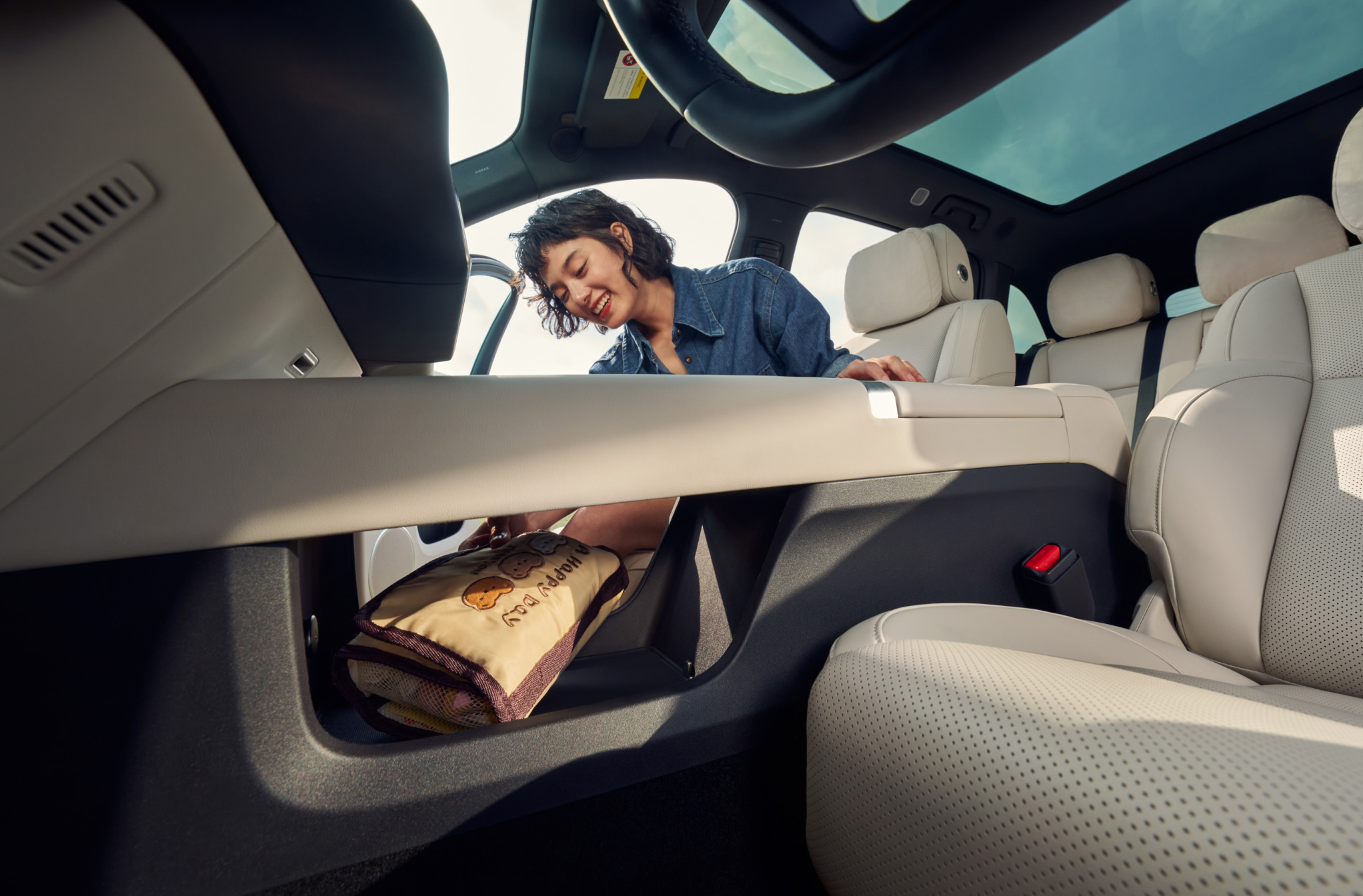
Seats: front row includes standard ventilation/heating/massage; the zero-gravity seat (free for a limited time) offers 18-point massage. The rear row features just one 67W USB-C port and a 'boss button' (adjusting front passenger seat cushion height and recline angle) — no fold-out table. Space is solid: a 179 cm tester enjoys ample headroom front and rear, with average legroom. The trunk holds eight 20-inch suitcases normally; folding the 40:60 split rear seats expands capacity to twenty. The built-in cool/warm box fits six 596 mL water bottles — strongly oriented toward family practicality.
Range & Charging: 51 kWh Battery + 400V Architecture — 12-Minute 30%–80% Top-Up, But Requirements Are Strict
CLTC all-electric range climbs to 300 km (battery capacity increased from 36.8 kWh to 51 kWh). Real-world testing on Jingha Expressway (average speed 93 km/h, AC fully on, starting SOC 80%, ending at 30%) covered 110 km with an average consumption of 19.8 kWh/100 km — fully in line with expectations.
Charging performance was a key focus: using a third-party charger, the 30%–80% top-up took just 12 minutes, peaking at 158 kW. However, note this: the 400V architecture relies heavily on high current (measured up to ~400 A), meaning a charger's per-gun maximum current rating matters more than its nominal power rating. Some 240 kW chargers cap current at only 250 A — resulting in actual charging power below 100 kW. To unlock the L6 Ultra's full fast-charging potential, users must seek out high-current-capable.
Pricing & Verdict: Starts at ¥249,800 — Entry-Level Trim Packs Flagship Specs, But 800V/Air Suspension/Gen-3 Range Extender Remain Absent
Sticker price starts at ¥249,800 — matching last year's Pro trim — yet now includes ADB headlights, four-door electric soft-close, dual-valve CDC dampers, and full-aluminum suspension as standard. Truly 'entry-level equals flagship-spec'. Compared to L8/L9, it omits air suspension, 800V high-voltage architecture, and the third-generation range extender — trading those for greater affordability and everyday usability.
In summary, the Li L6 Ultra is a rational, family-focused proposition: dignified, well-finished design; class-leading smart cabin experience; spacious, practical packaging; and competitive CLTC range. Its 400V fast-charging capability ranks among the best in its voltage class. It may not be the most technically ambitious vehicle, but it stands out today as arguably the most complete, cost-effective, and anxiety-free extended-range SUV under ¥250,000. For pragmatic buyers prioritizing high spec, strong utility, and low ownership stress — it remains a compelling, grounded choice.
Comments
0 commentsNo comments yet. Be the first!
Post Comment