
Design: Minimalist Tech Aesthetic, Craftsmanship in the Details
The 2026 AITO M6 retains its family design language; the ENOVATE Blue paint finish stands out with both composure and vitality against the backdrop of Hyundai architecture. The front fascia features a closed-off grille and full-width LED light bar, complemented by an active air-intake grille that opens and closes intelligently — balancing aerodynamics and visual coherence. Side profile lines flow smoothly, while the floating roofline and flush-mounted door handles further enhance the EV SUV's distinct identity. At the rear, the full-width taillight delivers high visibility when lit, with intuitive light-signaling logic.
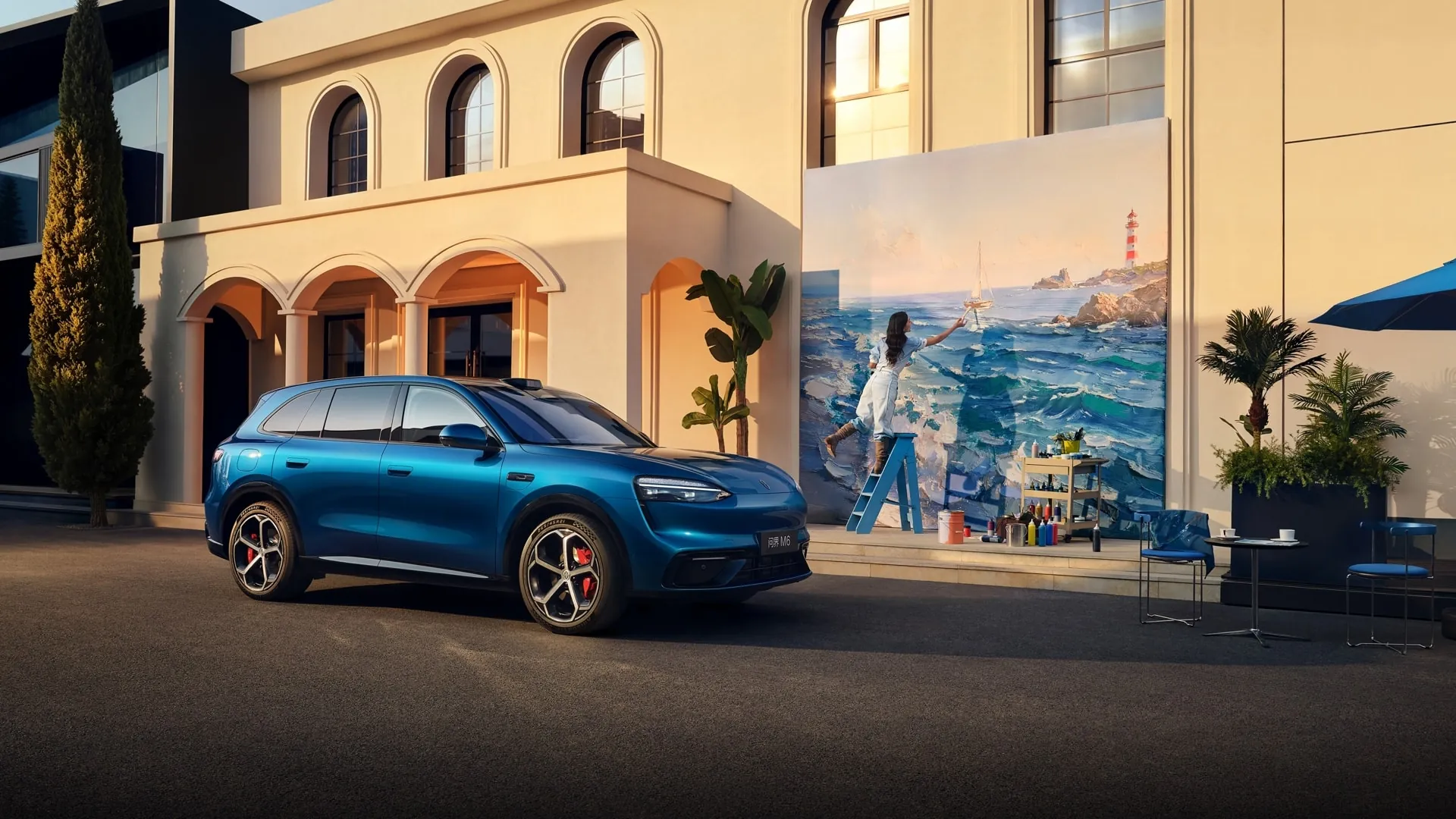
Inside, an orange-and-black interior strikes a refined balance between sportiness and luxury. The center console tilts subtly toward the driver, anchoring a tri-screen cockpit: a 15.6-inch 2.5K central display, a 10.25-inch fully digital instrument cluster, and a 16:9 passenger entertainment screen. The oval-shaped steering wheel offers solid grip; seats combine perforated leather with Alcantara for optimal support and breathability. Notably, physical buttons are kept to a minimum — the interface relies heavily on deep integration with the HUAWEI HiCar ecosystem.
Powertrain: Smooth Range-Extended Operation — But Not the Focus Here
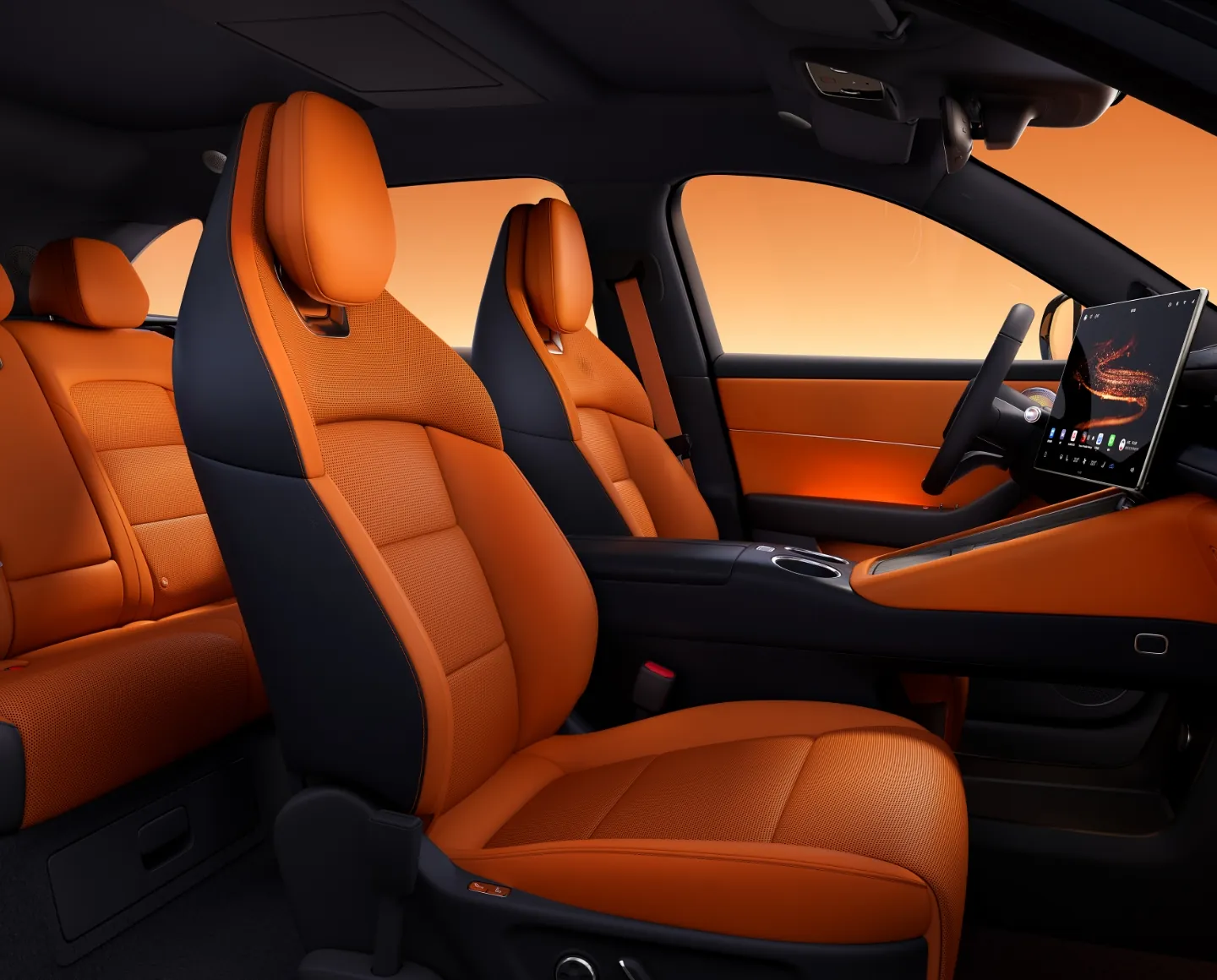
This test vehicle is the AITO M6 Extended-Range Ultra variant, equipped with a 1.5T four-cylinder range extender and electric drive motor. Official power and torque figures remain undisclosed; the brand emphasizes its 'pure-electric urban driving, extended-range long-haul' usage philosophy. In practice, the EV-only mode delivers exceptional quietness and linear acceleration response. When the range extender engages, vibration and noise are well-damped — no jarring transitions. That said, this review centers exclusively on intelligent driving capability; no dedicated powertrain performance testing was conducted.
Intelligence: ADS MAX Goes All-In — 16 of 20 Challenging Scenarios Cleared
The AITO M6 Extended-Range Ultra is equipped with the HUAWEI Qiankun ADS ADS MAX intelligent driving system (v4.10.3.1), featuring hardware including: an 896-line front-facing LiDAR (with point cloud density four times that of a 192-line unit), one rear-facing solid-state LiDAR, five 4D millimeter-wave radars, eleven cameras, and twelve ultrasonic sensors. On the software side, it leverages the WEWA architecture — enabling cloud-based world-engine simulation training and real-time, on-vehicle world-behavior modeling for decision-making.
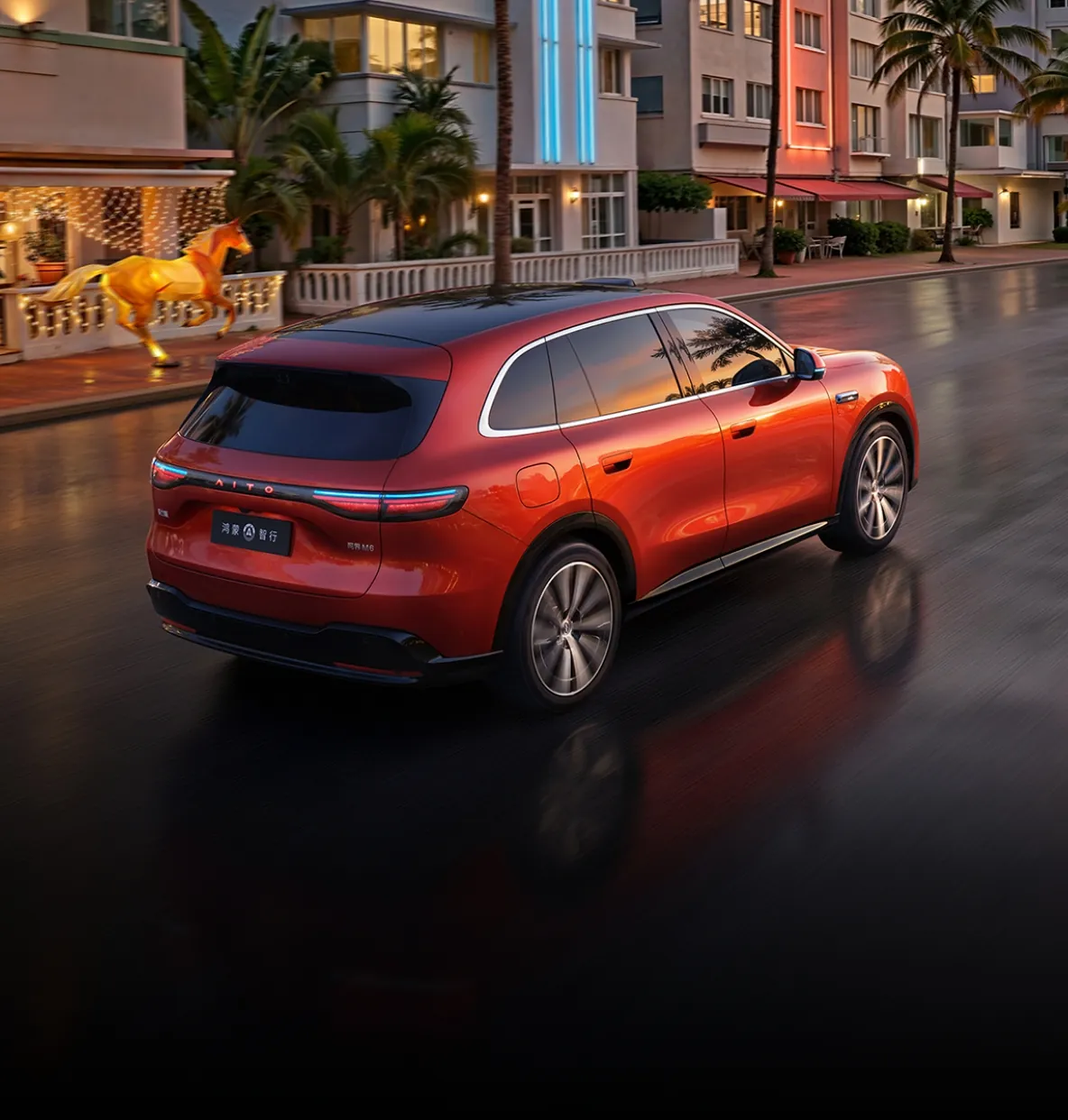
We conducted the 'Smart Driving Gaokao (Tsinghua/Peking University Standard)' 50-kilometer challenge route during Beijing evening rush hour, covering 20 representative high-difficulty ADAS scenarios. Results:
- ✅ Autonomous garage exit, unprotected left turns, side-road navigation, left-turn waiting zones, multi-option left turns, residential-area driving, right-turn merge + consecutive lane changes + under-bridge U-turn, mixed motorized/non-motorized traffic on spiral overpasses, riverside narrow roads, tidal lanes, ramp merging/diverging, autonomous toll plaza exit, main-road exit + sharp ramp bend, autonomous garage entry — 14 scenarios passed;
- ✅ Scenarios 5 (left-turn waiting zone) and 12 (tidal lane) were completed — but with conservative behavior and suboptimal lane-change timing, indicating room for refinement;
- ❌ Campus NOA, three-point U-turn, ultra-narrow alleyway, and roundabout beneath an overpass — 4 scenarios failed; the system prompted manual takeover or refused to initiate NOA.
Overall, ADS MAX demonstrates maturity in complex intersection negotiation, multi-object prediction, and defensive driving — especially excelling in high-risk, frequent-use cases like unprotected left turns and residential-area navigation. However, it still requires human intervention in unmapped enclosed campuses, extremely confined spaces, and occlusion-heavy roundabouts. System downgrades occur relatively often, accompanied by frequent voice alerts — placing higher demands on sustained driver attention.
Pricing: Starts at ¥279,800 — High-Cost ADAS Option
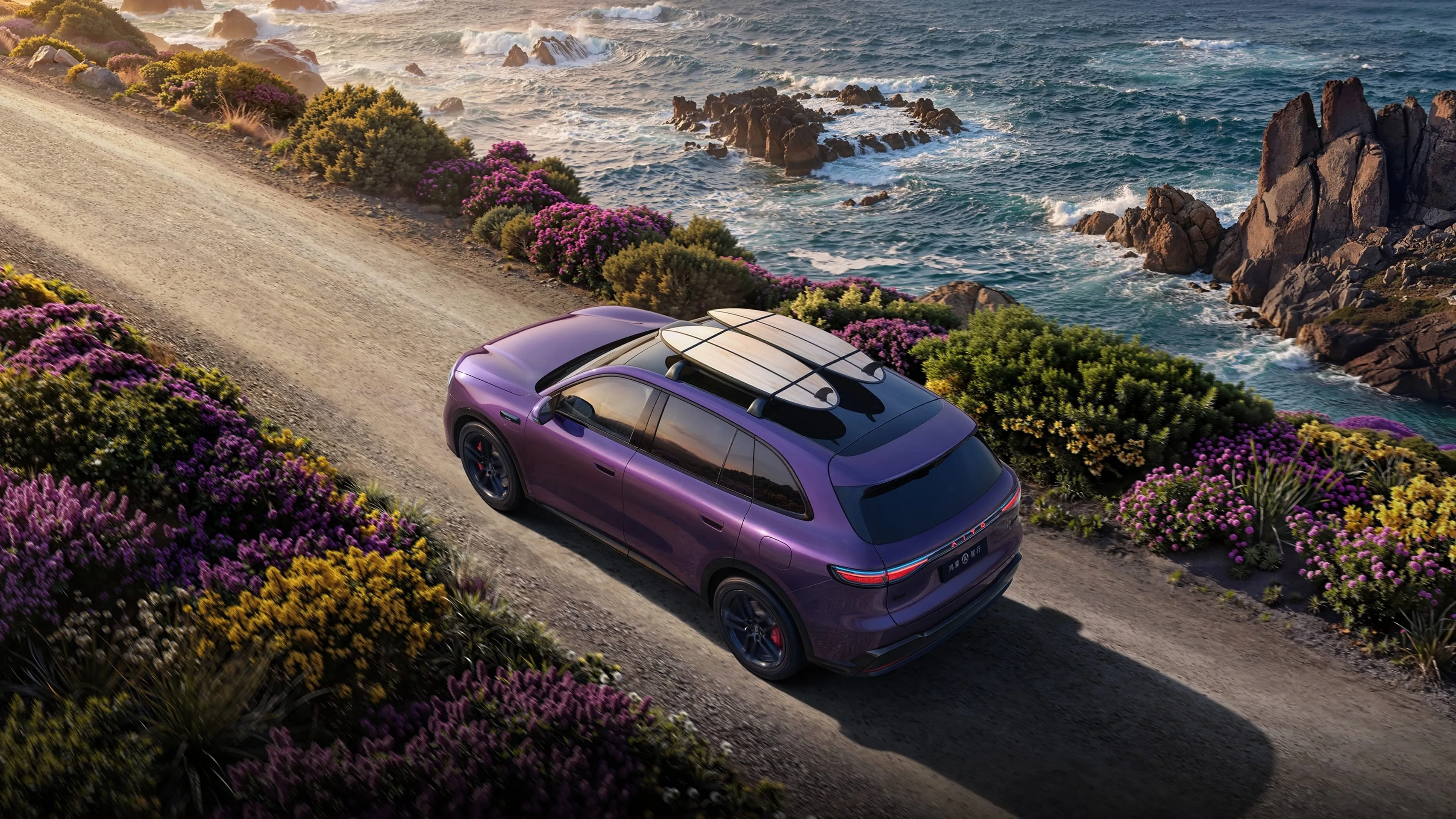
The AITO M6 Extended-Range Ultra carries a manufacturer-suggested retail price of ¥279,800, which includes the HUAWEI Qiankun ADS ADS MAX intelligent driving system. Note that ADS MAX is a premium optional package — priced higher than the ADS PRO version — and overall ADAS option pricing increased starting with software v7.1. Budget-conscious buyers should carefully weigh whether paying several extra ten-thousand yuan for advanced ADAS aligns with their actual usage patterns.
Conclusion: Strong Perception, Reliable Execution — Yet Still Short of True Autonomous Driving
Within today's production-car intelligent driving hierarchy, the ADS MAX system in the AITO M6 ranks among the top tier — it delivers dependable assistance across most open urban roads, especially adept at navigating China's uniquely complex traffic flows. But 'usable' doesn't mean 'trustworthy enough to take your hands off'. Human intervention remains necessary in four critical scenarios, revealing persistent dependencies on HD maps and limited generalization capability in extreme conditions. It's an excellent 'experienced-driver assistant', not yet a true 'autonomous-driving brain'. If you prioritize cutting-edge ADAS and have budget flexibility, the M6 Ultra merits strong consideration. For users whose daily commutes are predominantly highway-based, the ADS PRO version may offer better value. As for rumored ADS 5.0 major updates, no official rollout timeline has been confirmed — we'll continue monitoring developments.
Comments
0 commentsNo comments yet. Be the first!
Post Comment