
Design: Refined and understated — fits right in at business venues
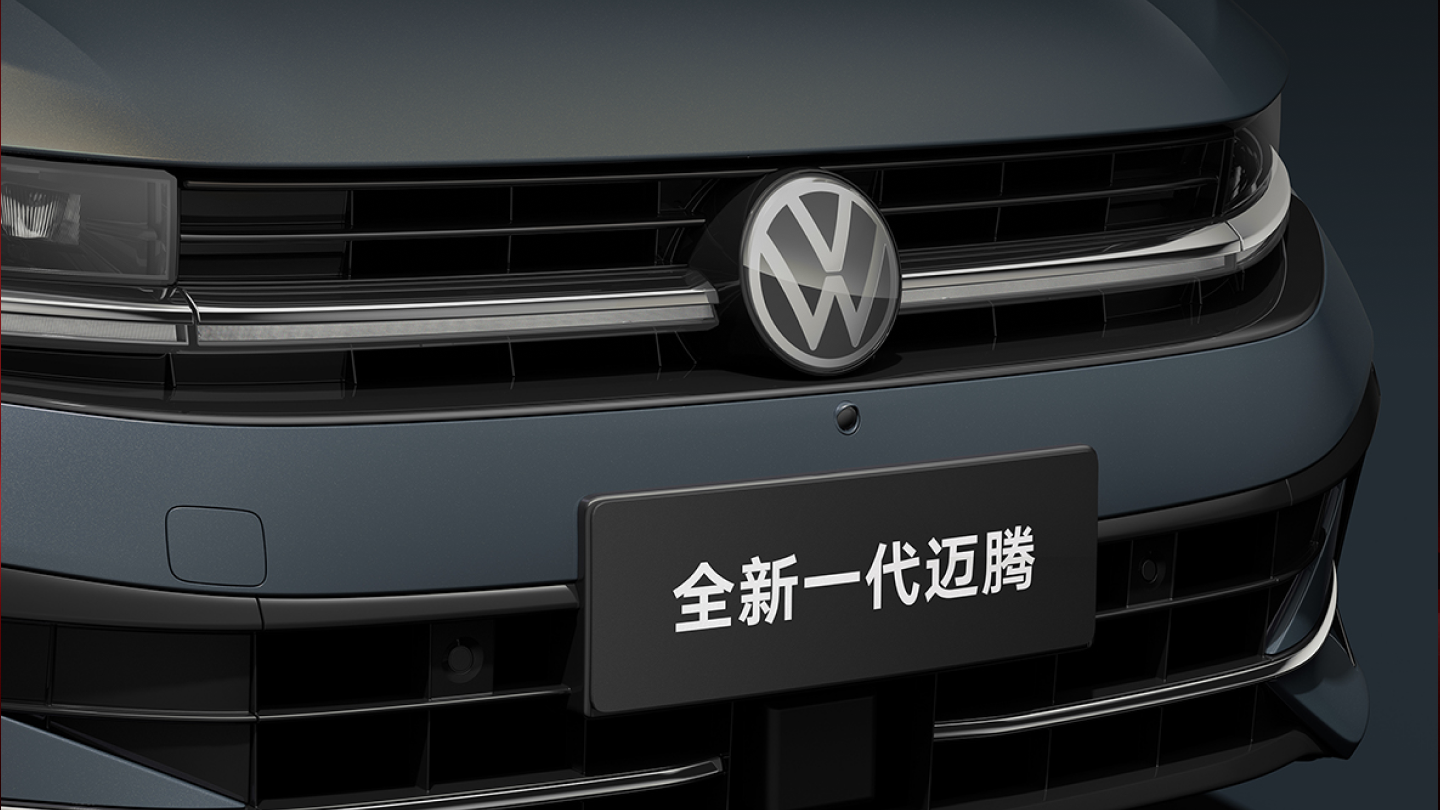
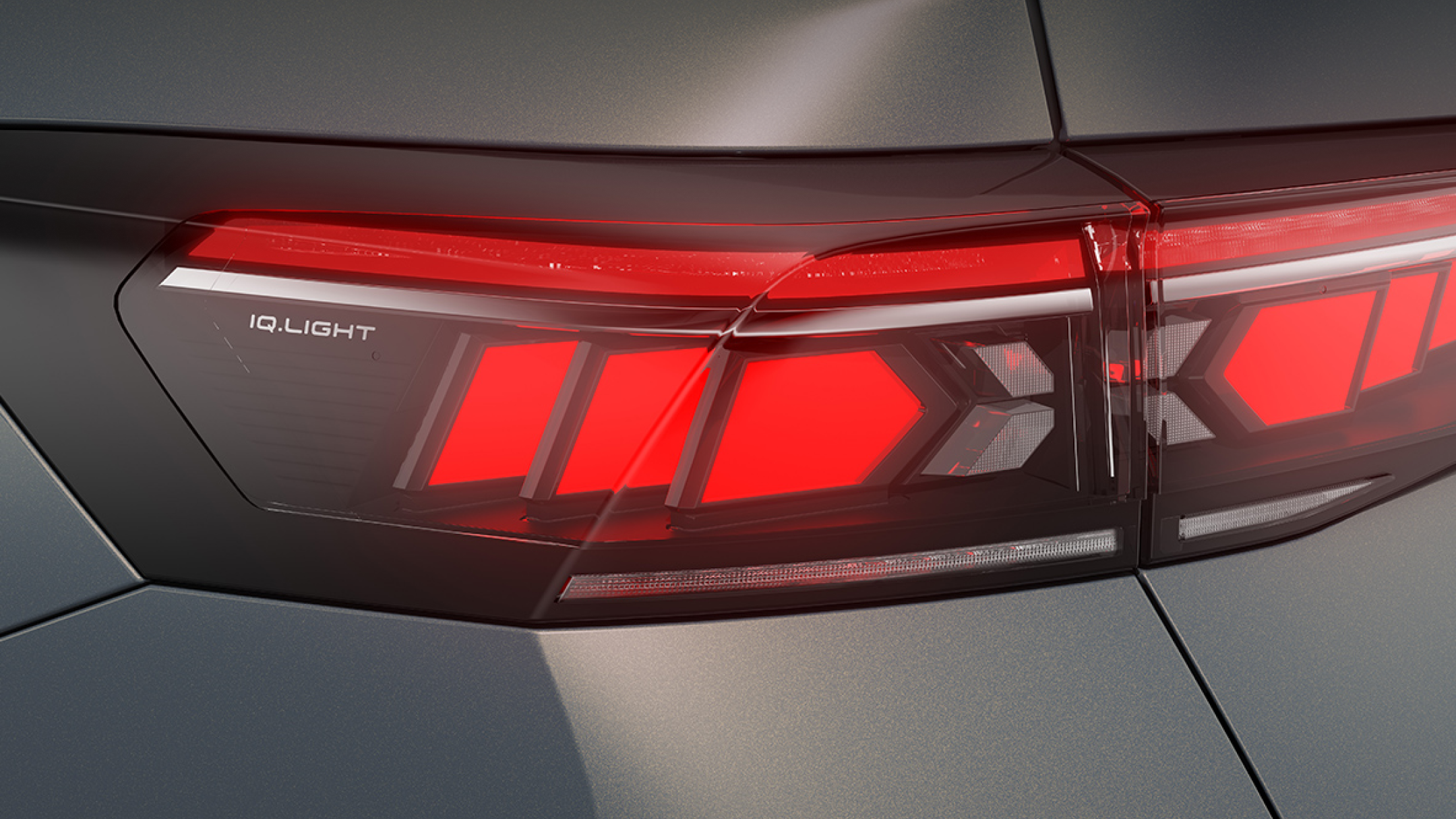
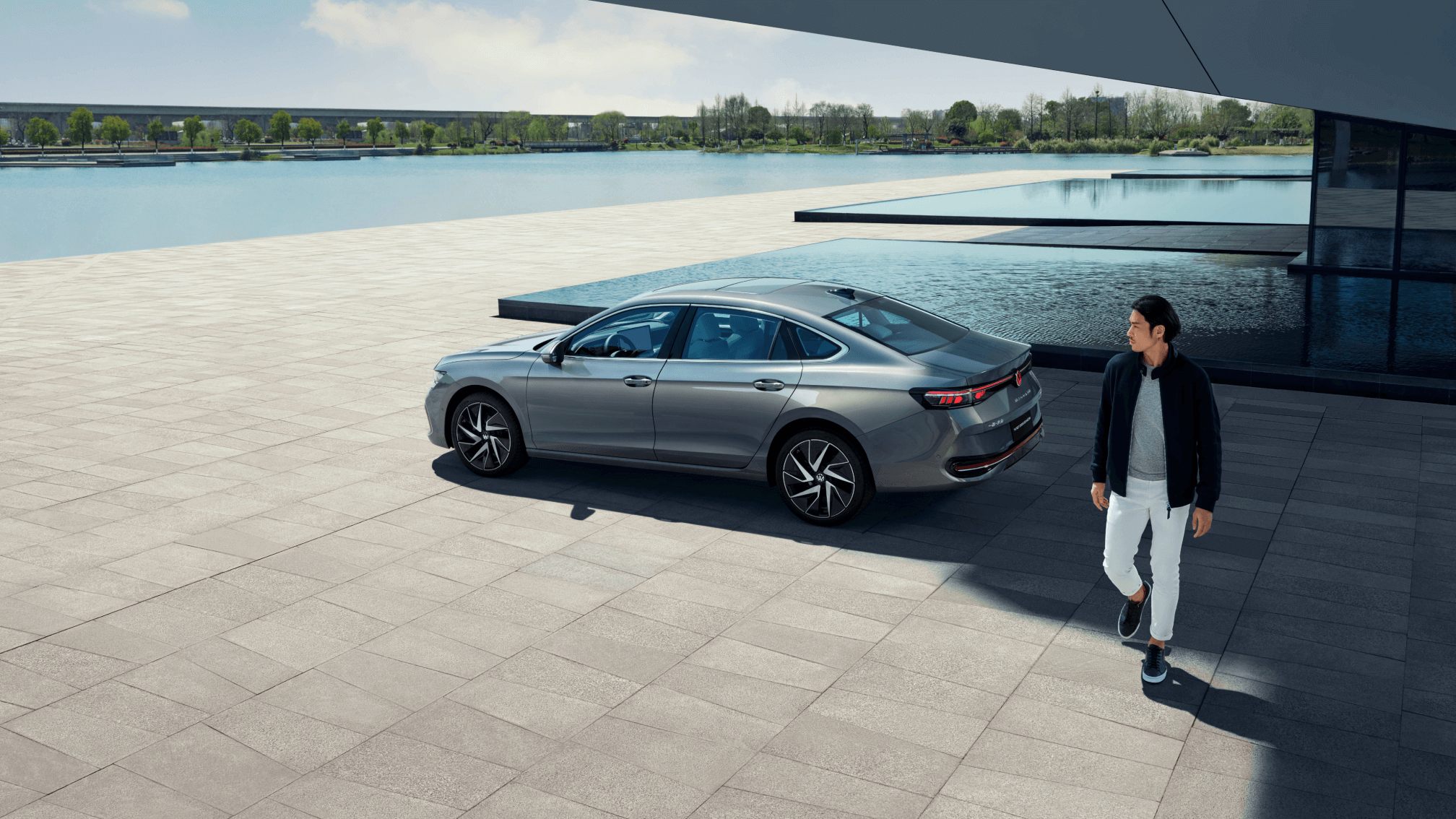
The Magotan PHEV isn’t designed to grab attention with avant-garde styling — it doesn’t need to. As FAW-Volkswagen’s long-established flagship in the mid-size sedan segment, its design language has long been validated by the market: an elongated silhouette, crisp character lines, a restrained chrome grille, and a贯穿式 LED taillight (retaining the core styling of the gasoline version, with only PHEV-specific badging added). The overall impression is calm, composed, and substantial — equally at home pulling up to a five-star hotel or entering a government compound.
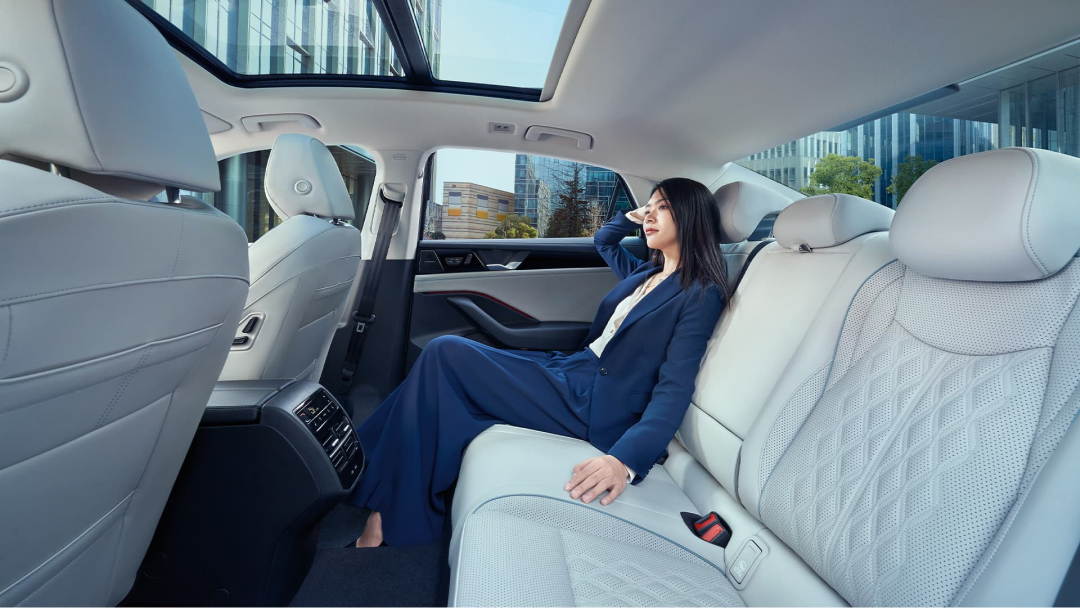
The cabin continues Volkswagen’s signature German logic: a well-layered center console, thoughtfully retained physical controls, and a responsive touchscreen. Our white interior test unit (with panoramic sunroof) delivers an airy, bright cabin atmosphere. While materials avoid overt luxury, soft-touch surfaces, precise stitching, and high build quality firmly uphold the benchmark for joint-venture mid-size sedans.
Powertrain: 1.4T + PHEV system — efficient for commuting, stable for long hauls
The Magotan PHEV pairs a 1.4T turbocharged engine with an electric motor in a plug-in hybrid system, mated to a 6-speed wet dual-clutch transmission and front-wheel drive layout. This setup isn’t engineered for drag-strip acceleration records — instead, it’s precisely tuned for two real-world scenarios: pure-electric urban commuting and hybrid-powered highway travel.
In daily commutes of 30–40 km, the EV-only range fully covers the distance. After overnight off-peak charging, electricity cost drops to just ¥0.08 per kilometer — over 60% lower than fuel costs for comparable gasoline models. Crucially, even with a depleted battery, its combined fuel consumption remains steady at ~4.8 L/100 km (official figure), avoiding the ‘gas-guzzler when empty’ pitfall — a clear sign of mature PHEV engineering.
Intelligence: Practical first, safety solid
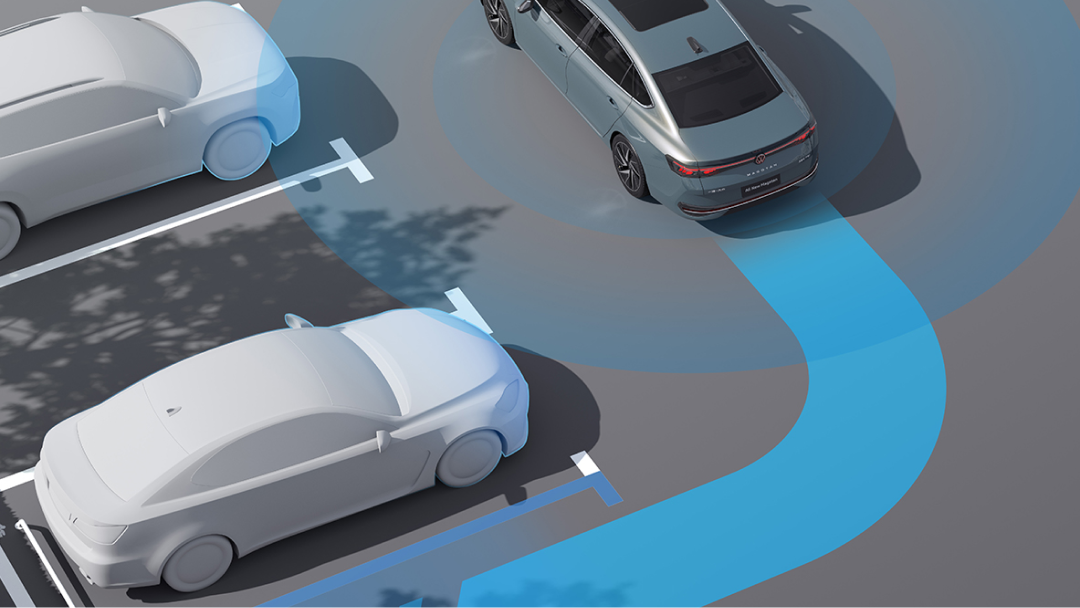
The Magotan PHEV’s smart cockpit avoids flashy gimmicks, focusing on high-frequency needs: a fully digital instrument cluster with clear information, an infotainment screen supporting Apple CarPlay and Huawei HiCar, and voice recognition that accurately handles navigation, climate, and media commands. Adaptive cruise control, front/rear parking sensors, and a rearview camera form a dependable, no-frills driver-assistance suite.
Safety follows Volkswagen’s high standard: a high-strength steel cage body structure, seven airbags (including knee airbag), ESP electronic stability control, AEB automatic emergency braking, and lane departure warning are all standard. The battery pack is centrally mounted under the floor, certified to IP67 dust/water resistance and multiple crash-protection standards — optimizing both cabin space and safety.
Pricing & Positioning: Targeting pragmatic business users
The Magotan PHEV’s final pricing hasn’t been announced yet, but based on the gasoline model’s platform and competitive benchmarks, the main variants are expected to land between ¥180,000–¥220,000 (2026). Its core value lies not in spec-sheet stacking, but in precisely targeting three user groups: frequent business travelers, corporate fleet buyers, and families with reliable home charging access.
Conclusion: German foundation + pragmatic PHEV — a rare balance
In the rush of the new-energy wave, many traditional automakers’ transitions feel hasty — even disjointed. The Magotan PHEV offers a different answer: it retains the German chassis tuning’s solidity and class-leading NVH refinement, while adding electrification without sacrificing rear-seat space or business-oriented details. Electric takeoffs are silent; long-distance hybrid driving is relaxed and anxiety-free; interior features aren’t flashy, but consistently thoughtful.
If you’re tired of constantly choosing between ‘face’ and ‘substance,’ the Magotan PHEV may be that rare option — one that demands no compromise.
Comments
0 commentsNo comments yet. Be the first!
Post Comment