
The 2026 Hongqi HS5 is expected to make its global debut at the Chengdu International Automobile Exhibition this August. According to multiple sources, the model will receive a comprehensive upgrade to its design language and cabin experience — though whether its powertrain will undergo a full generational update remains unconfirmed.
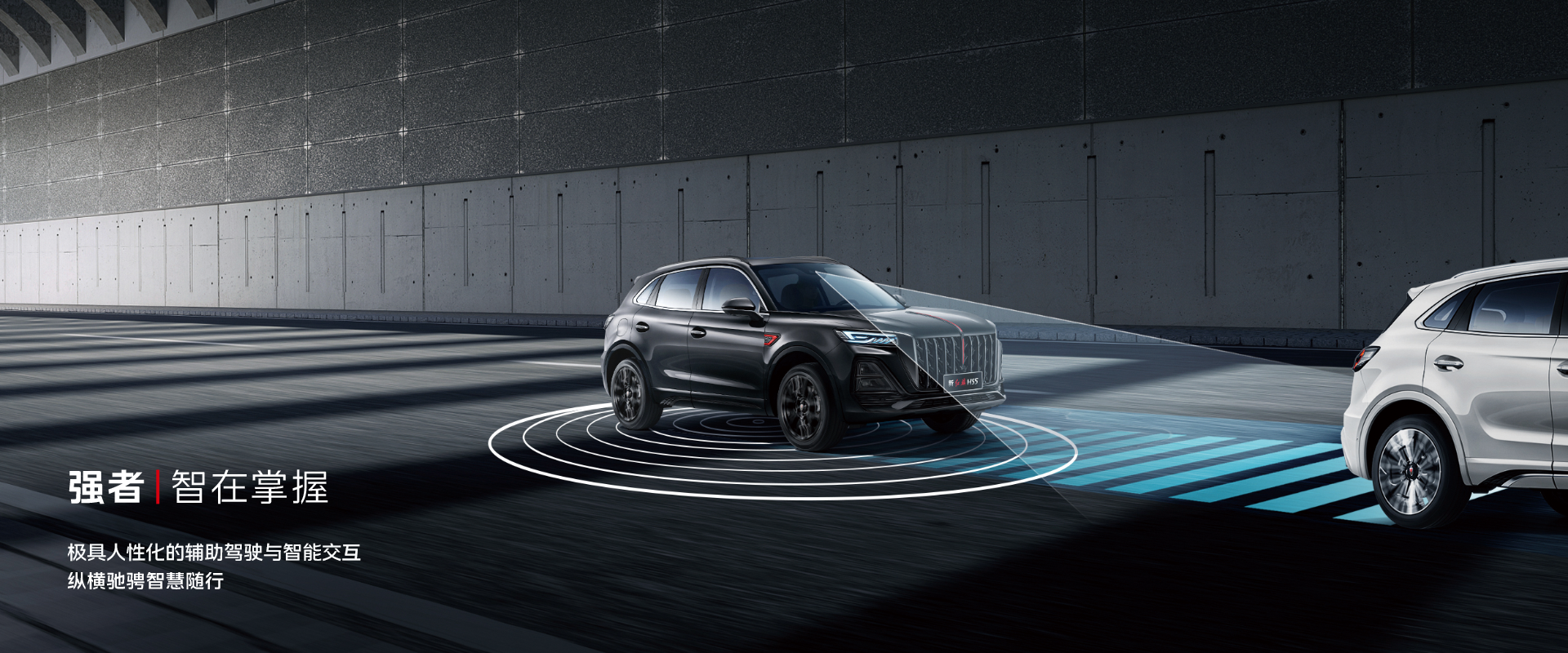
From recently leaked, camouflage-free spy shots, the new HS5 completely abandons the current split-headlight layout in favor of a full-width integrated LED headlight assembly. The lamp units are larger and incorporate projector optics; the LED daytime running light (DRL) strips extend inward, outlining the grille's flanks. The grille itself retains its original styling, but the lower bumper has been redesigned — with side air ducts preserved — yielding a wider, more substantial, and more grounded appearance.
At the rear, the taillights have also been refined: the horizontal chrome garnish is shortened, and the lighting signature updated. The rear bumper no longer features faux exhaust trim; instead, a clean, minimalist horizontal accent bar completes the look — enhancing the SUV's sleek Hyundai aesthetic.
Inside, the cabin receives a two-tone multifunction steering wheel, a newly layered center console layout, and a raised floating infotainment display. Physical controls are reduced in size and increased in integration. A column-mounted shifter replaces the traditional floor-mounted gear lever; beneath the center console, a wireless phone charger and open storage compartment have been added. A head-up display (HUD) is now standard equipment.
Under the hood, the new HS5 is expected to retain the current 2.0T engine — delivering 252 hp (185 kW) and 380 N·m of peak torque — paired with an 8-speed automatic transmission. Notably, earlier spy shots suggest Hong Qi plans to launch a new plug-in hybrid (PHEV) variant of the HS5 built on the Honghu HMP hybrid platform. This version would feature a dedicated 1.5T hybrid engine (peak output: 110 kW), offer a CLTC all-electric range of 170 km, support 4C fast charging, and recharge from 10% to 80% in just 13.7 minutes — though its launch timeline and trim-level details remain unclear.
Comments
0 commentsNo comments yet. Be the first!
Post Comment