
GEELY Holding Group is accelerating development of its next-generation all-solid-state power battery. According to official disclosures, the new cell's energy density is expected to reach 500 Wh/kg — if achieved, that would be double the current mainstream lithium-ion battery cell energy density (approximately 250–300 Wh/kg).
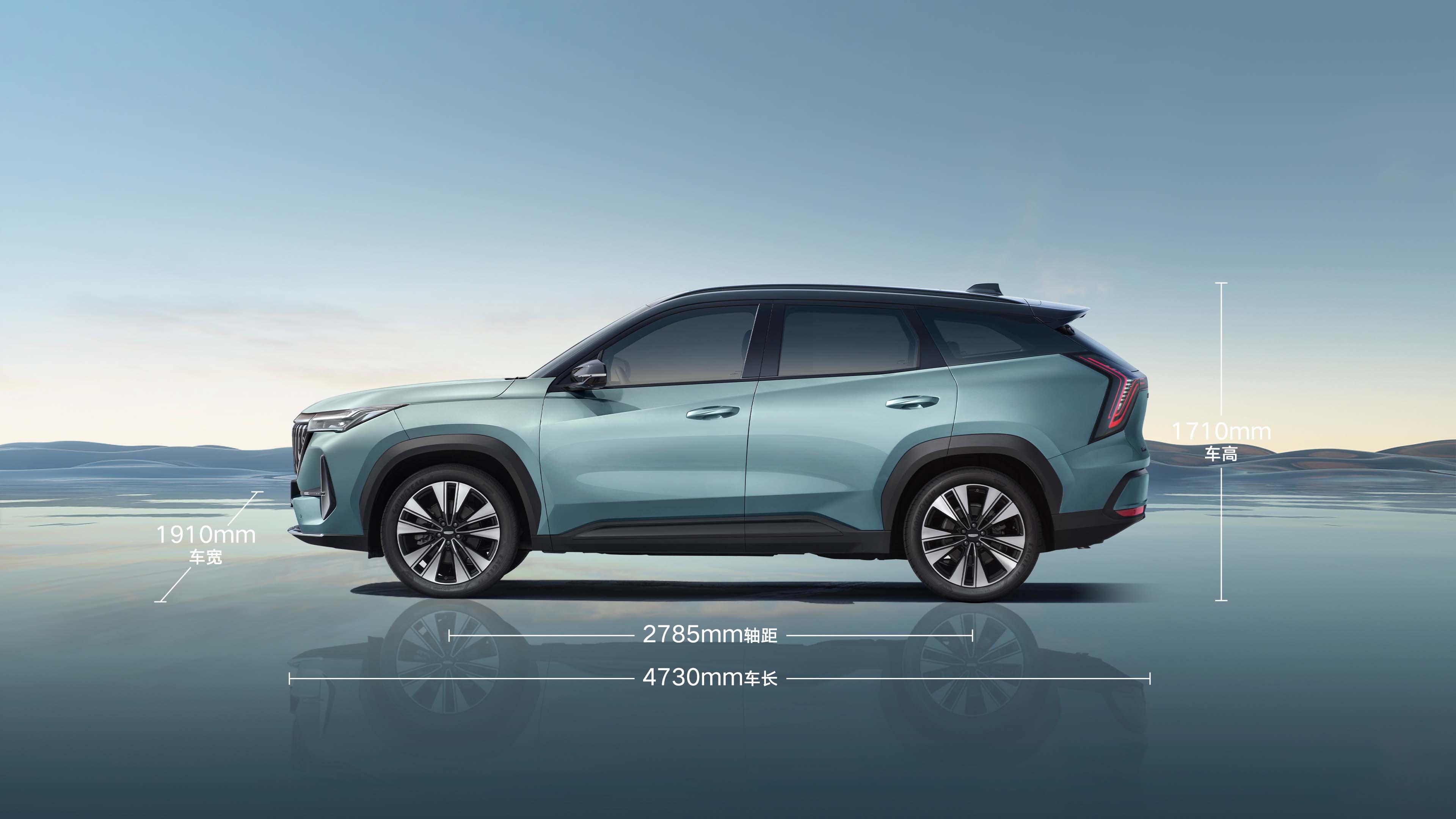
This breakthrough could fundamentally redefine the performance boundaries of BEVs. Per GEELY, vehicles equipped with this battery could achieve single-charge ranges 'comparable to diesel vehicles' — projected to exceed 1,000 km — while also claiming a cycle life of up to 1 million kilometers. Cell-level real-world road testing has already commenced, with validation scheduled for 2026; pilot installation across its portfolio brands (including Zeekr, LYNK&CO, Volvo, Polestar, Lotus, and Smart) is slated for 2027.
On the materials front, GEELY has partnered with Dow Chemical to adopt its newly developed wide-temperature-range (–40°C to 120°C) stable solid-state battery binder — a detail widely viewed by industry insiders as a key enabler for technical commercialization. However, GEELY has not yet disclosed the battery's specific chemistry (e.g., sulfide/oxide electrolyte), anode material, or clarified whether the 500 Wh/kg figure refers to cell-level or pack-level energy density. Furthermore, the claimed 1-million-kilometer cycle life lacks third-party cycle-test data for verification.
Notably, 'pilot installation in 2027' does not equate to volume production or market launch. Pilot lines serve only to validate small-batch, repeatable manufacturing capability; the timeline for large-scale, cost-effective mass production — especially at price points suitable for RMB 300,000-class vehicles — remains undisclosed by GEELY. Meanwhile, industry leaders including CATL, BYD, and TOYOTA have similarly targeted 2027 as the pilot window for their own 500 Wh/kg-class all-solid-state batteries — suggesting symbolic alignment rather than concrete certainty.
Currently, semi-solid-state batteries have already entered limited vehicle deployment in select Chinese models; true high-energy-density all-solid-state batteries remain in the critical production-line validation phase. Should the 500 Wh/kg target ultimately be realized, it would signify not only a leap forward in both range and weight reduction, but also potentially become a pivotal enabler for fully electrified transportation.
Comments
0 commentsNo comments yet. Be the first!
Post Comment