
Have you ever questioned why vehicles like Li Auto and AITO—priced at ¥300,000–¥400,000—use only a 1.5T four-cylinder engine under the hood? ‘A comparable gasoline car already has a 2.0T—how can this be premium?’ This sentiment reflects a fundamental misconception: judging a range extender by the same standards as a conventional engine.
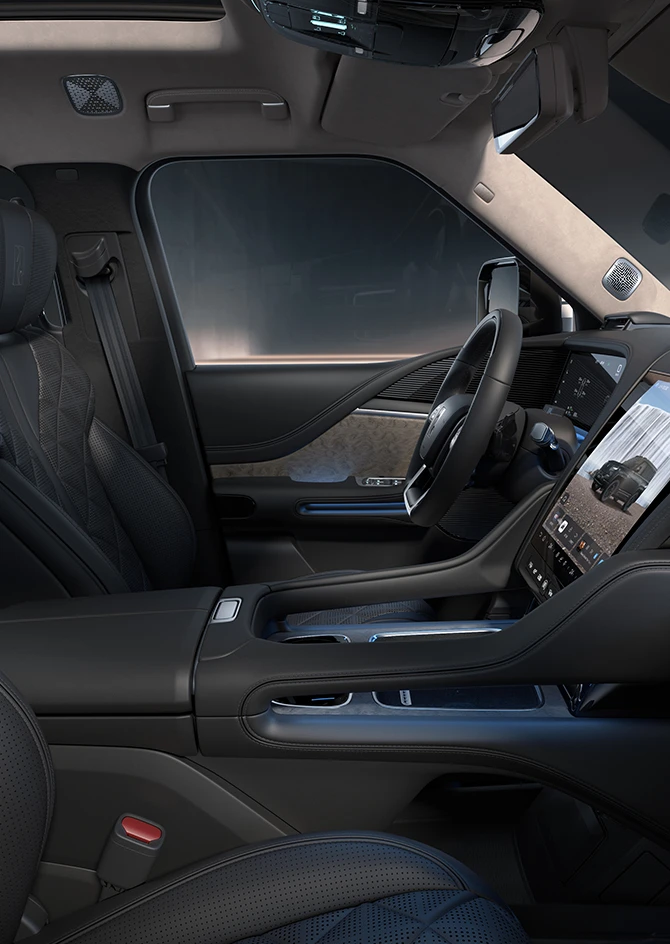
Range Extender ≠ Engine: Misattribution Fuels Misjudgment
In gasoline vehicles, the engine drives the wheels directly and must deliver power and torque across all operating conditions—from launch to acceleration to cruising. Larger displacement naturally means greater stability. But a range extender never powers the wheels; it operates solely within its most efficient RPM band to generate electricity. In essence, it’s a ‘premium portable power bank.’ Just as no one judges a power bank by its size, neither should displacement be the yardstick for range extenders.
Why 1.5T? Three Hard Engineering Constraints
Engineers have tested smaller options: the 1.2T three-cylinder used in the Li Auto ONE proved inadequate—its NVH performance was poor, with low-frequency vibrations proving difficult to suppress (engineers openly admitted they ‘endured great hardship’). Upscaling to 2.0T may seem logical—but triggers three critical pitfalls:
- Declining thermal efficiency: Purpose-built 1.5T range extenders achieve 42%–45% thermal efficiency (e.g., Chery has surpassed 44.5%), while mainstream 2.0Ts are optimized for direct drive and hover around just 38%. Under low-load generator operation, the 2.0T burns fuel less completely—yielding fewer kWh per liter (3.5–3.7 kWh/L for the 1.5T vs. lower for the 2.0T);
- Space encroachment: A 1.5T range extender weighs ~120 kg and is under 60 cm long; a 2.0T exceeds 180 kg and stretches nearly 70 cm. The extra bulk and weight directly compromise battery pack volume or trunk space—trading pure-electric range for ‘displacement prestige’ is a trade-off customers reject;
- Cost surge: Mature 1.5T supply chains keep procurement costs at ¥7,000–¥8,000; 2.0T hardware doubles that price, and crossing into the higher consumption tax bracket (5% for 1.5–2.0L engines) adds ¥20,000–¥30,000 to vehicle cost—while delivering louder, rougher, and less fuel-efficient operation.
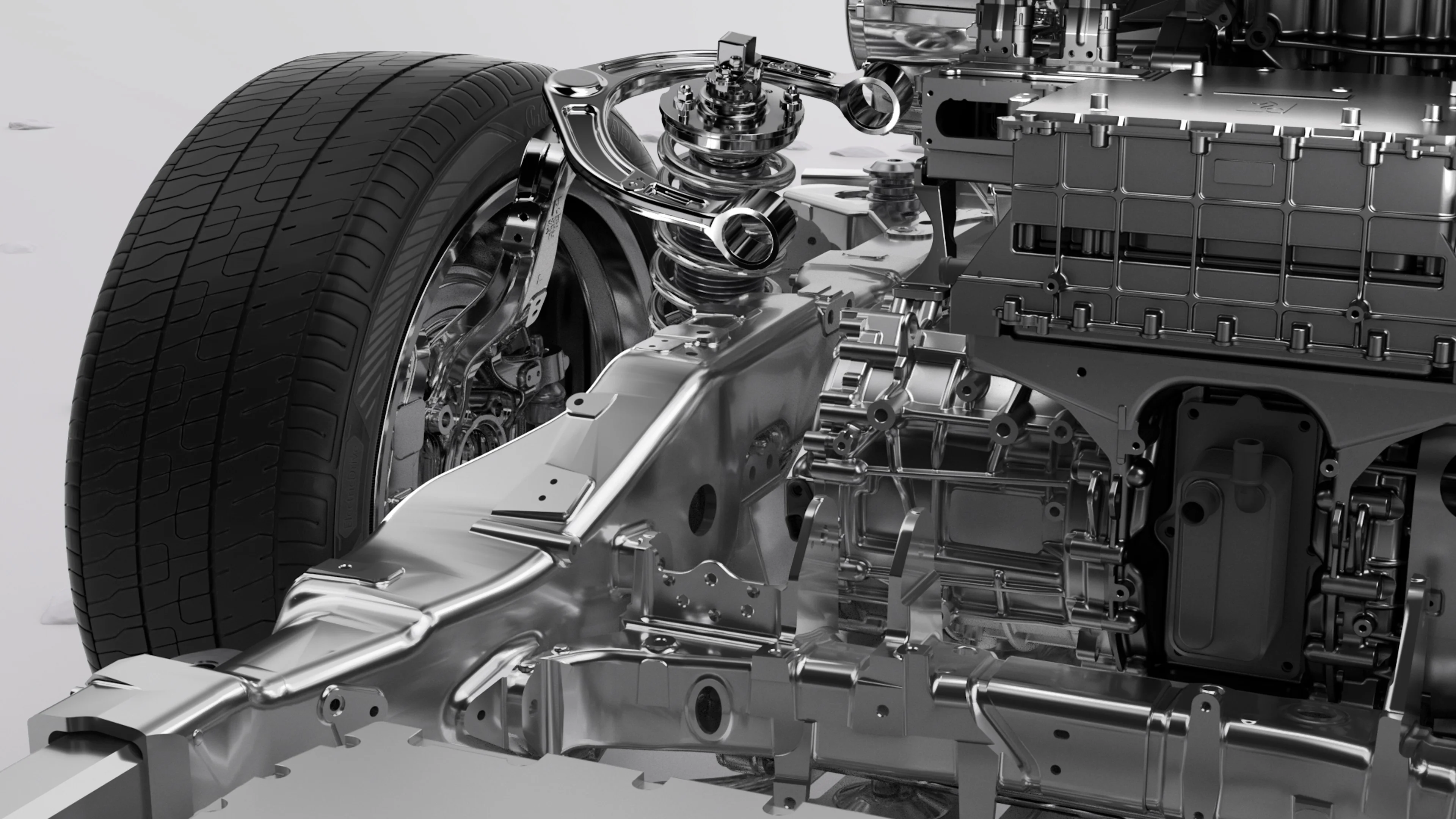
An Exception That Validates the Rule
The Yangwang U8 stands out as a key counterexample. Priced above ¥1 million, weighing 3.5 tons, and equipped with four motors, this hardcore off-roader demands sustained high-power electricity generation in extreme conditions—hence its custom 2.0T range extender and unique engine layout. Crucially, this proves displacement is dictated by system-level requirements—not price or brand positioning. Ordinary family EVs neither need nor can afford such over-engineering.
Conclusion: Use the Right Ruler—or Your Conclusion Will Be Off
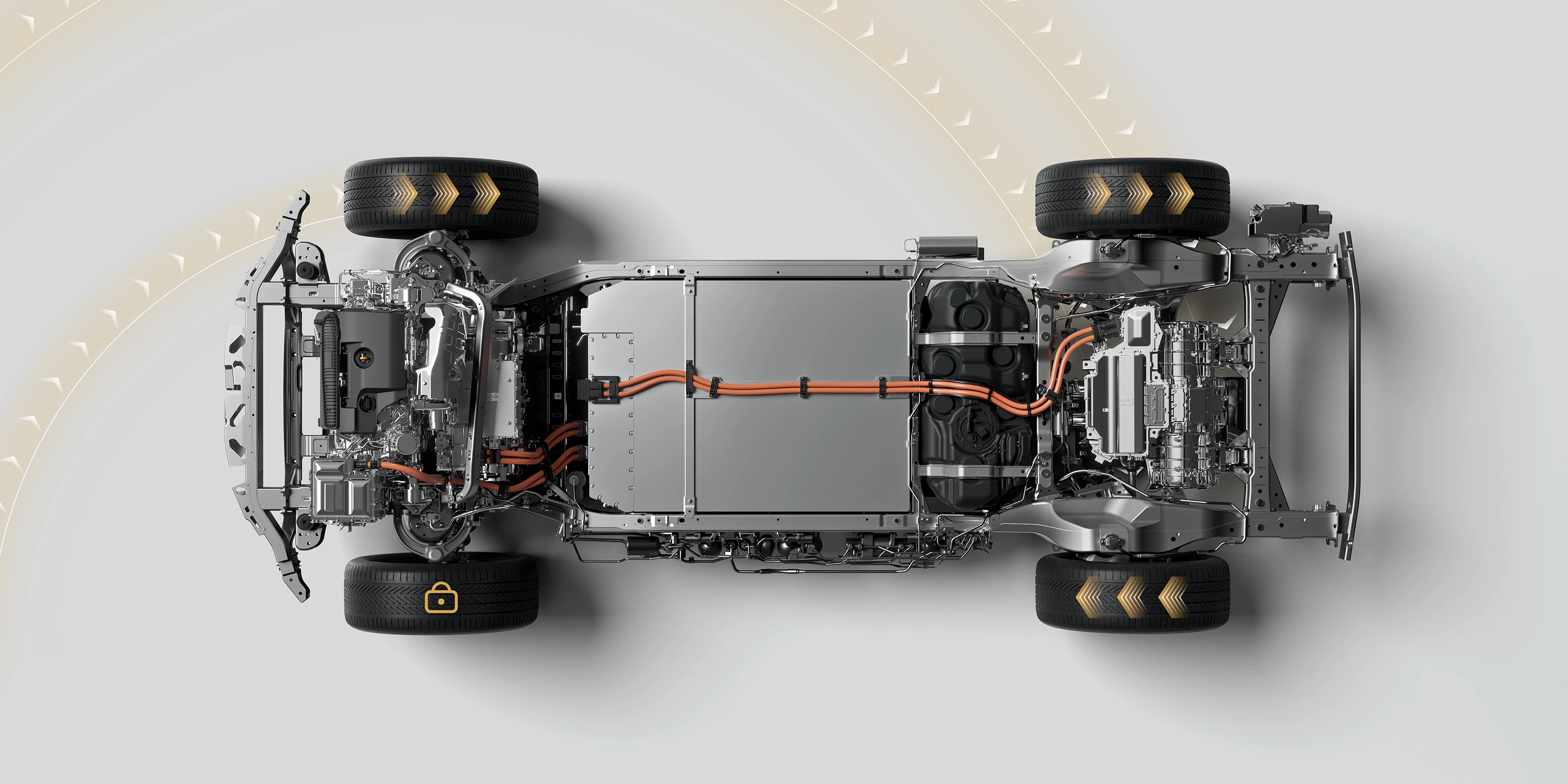
Automakers’ commitment to the 1.5T isn’t about cutting corners—it’s engineering rationality winning out. What truly moves the user are two motors delivering combined output exceeding 400 kW. The sole KPI for that 1.5T? To convert fuel into electricity—quietly, smoothly, and efficiently. And it delivers. That’s enough.
Comments
0 commentsNo comments yet. Be the first!
Post Comment