
As the new-energy SUV market shifts from 'spec wars' to 'experience refinement', what users truly care about is no longer whether 0–100 km/h acceleration is 0.2 seconds faster—but whether the suspension feels crisp over speed bumps, whether lane changes at highway speeds feel confident, whether voice commands are understood on the first try, and whether long-distance charging is stress-free. The 2026 Avatr 07 (MSRP: ¥219,900–¥289,900) avoids flashy gimmicks, instead channeling hardware investment into high-frequency real-world scenarios: standard-fit 27 perception sensors across all trims, front dual-ball-joint double-wishbone + multi-link aluminum chassis, dual powertrains (800V BEV and efficient range-extended EV), and a genuinely usable HarmonyOS cockpit. Over five days—and across urban congestion, highway cruising, mountain switchbacks, and underground parking—we conducted an immersive, in-depth evaluation.
Design: Understated Tech Aesthetic—No ‘Face’ Steals the Show
The Avatr 07’s exterior rejects visual clutter. Its front end ditches exaggerated closed grilles or complex lighting signatures, opting instead for a slender LED DRL strip to define its profile. The REEV variant features an active grille shutter; the BEV version maintains a clean, fully sealed surface. The lower bumper features crisp, uncluttered lines that visually lower the center of gravity. The side profile strikes a harmonious balance—long and lean—with a short, assertive C-pillar taper, subtle dual character lines that minimize bulk, and frameless doors plus flush door handles standard across all trims. The result is a poised yet light-footed presence.

The rear avoids today’s ubiquitous light-bar tail lamps. Instead, floating light strips on both sides echo the front-end design, while the lower bumper repeats the same language as the front. Six body colors are offered: Rock Gray, Desert White, Ink Black, Sunny Blue, Star Purple, and Mist Green. The Sunny Blue variant delivers a translucent, cool-toned finish under sunlight—especially elegant and enduring. Standard 20-inch factory wheels (21-inch optional) with 255/50 R20 tires strike an ideal balance between cabin quietness and responsive handling.
Chassis & Ride Quality: Class-Defying Comfort, CDC Adds Confidence
The chassis is where the Avatr 07 delivers its biggest surprise. The front suspension uses an all-aluminum dual-ball-joint double-wishbone setup—a configuration typically reserved for vehicles priced above ¥500,000. The rear employs a multi-link independent suspension with hydraulic bushings at key mounting points. In real-world testing, the car filters out fine road imperfections with remarkable thoroughness: over patched city roads, closely spaced manhole covers, or aging asphalt seams, the body exhibits virtually no secondary bounce—remaining consistently composed.
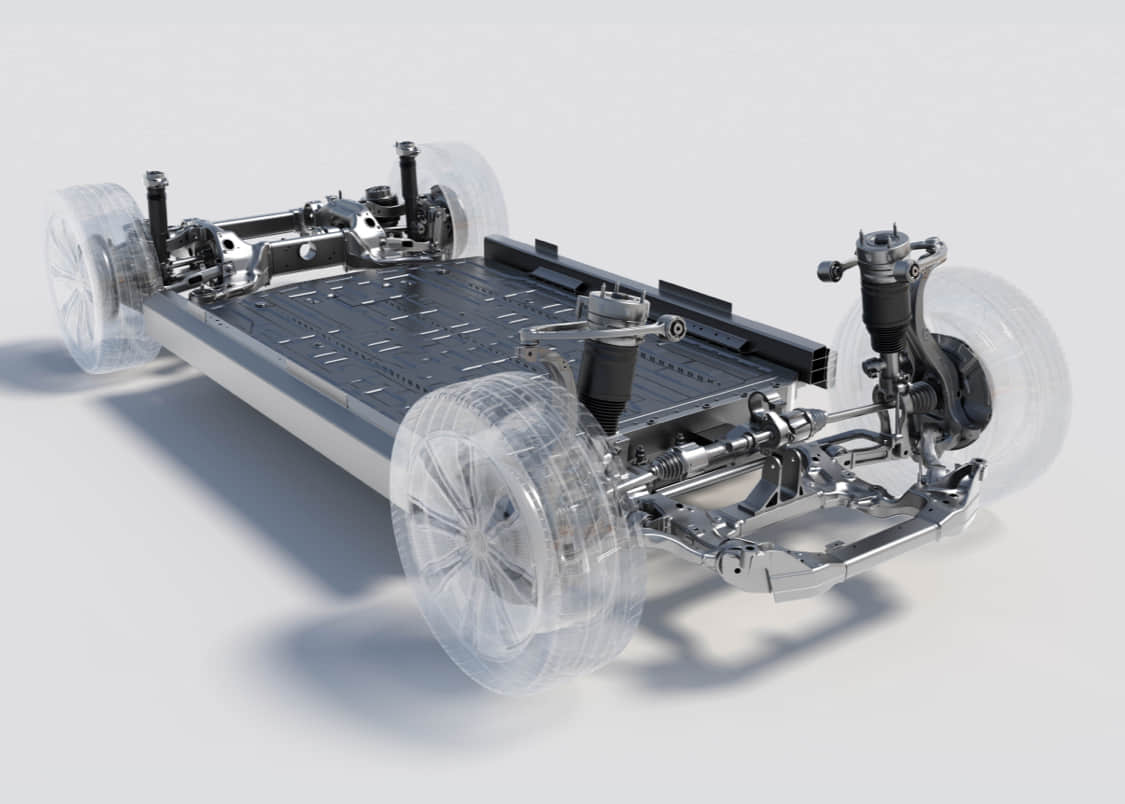
The high-spec air suspension + CDC (Continuous Damping Control) package elevates performance further. On bumpy suburban roads, the system adjusts damping in real time—absorbing impacts while preserving clear road feedback. At highway speeds, the vehicle automatically lowers by 10 mm, significantly reducing steering corrections and visibly enhancing stability. Steering feel is light yet precise: low-speed maneuvering is agile, and lateral body roll remains well-controlled during 60–70 km/h ramp exits—making it exceptionally easy to drive.
Intelligent Driving: Uniform Hardware, ADS 3.0 Delivers Real-World Readiness
All Avatr 07 trims come standard with Huawei’s Qwen ADS 3.0 hardware suite: one 192-line LiDAR (250 m detection range), three 4D millimeter-wave radars, eleven HD cameras, and twelve ultrasonic sensors—totaling 27 units. No hardware downgrades—even the entry-level REEV RWD model at ¥219,900 offers identical ADAS capability.
On highways and expressways, NCA (Navigation-guided Cruise Assist) operates with mature logic: following distance and acceleration/deceleration are natural and linear, with zero jerky starts or stops. Before lane changes, the system actively scans blind spots and executes smooth, driver-like maneuvers upon confirming safety. Automatic parking reliably identifies standard spaces and supports remote parking and trace-back reverse. In dimly lit underground garages or extremely narrow spots, however, minor manual adjustments may still be needed. AEB (Automatic Emergency Braking) intervenes at appropriate timing—responding promptly and accurately to sudden front-vehicle braking or lateral cut-ins, with minimal false triggers and strong overall confidence.
Powertrain & Range: Dual Paths, Zero Range Anxiety
The Avatr 07 offers two pragmatic powertrain routes—REEV and BEV—to suit diverse usage patterns. The REEV variant features a dedicated 1.5T four-cylinder engine (JL469ZQ1) with 44.39% thermal efficiency—compatible with regular 92-octane gasoline. Its rear-drive motor produces 231 kW / 333 N·m, paired with either a 39.05 kWh or 52.01 kWh battery pack, delivering CLTC pure-electric ranges of 245 km and 333 km respectively, and combined ranges of 1,115 km and 1,200 km. Its fuel consumption in hybrid mode stays consistently between 6.0–6.8 L/100 km—among the best in class.
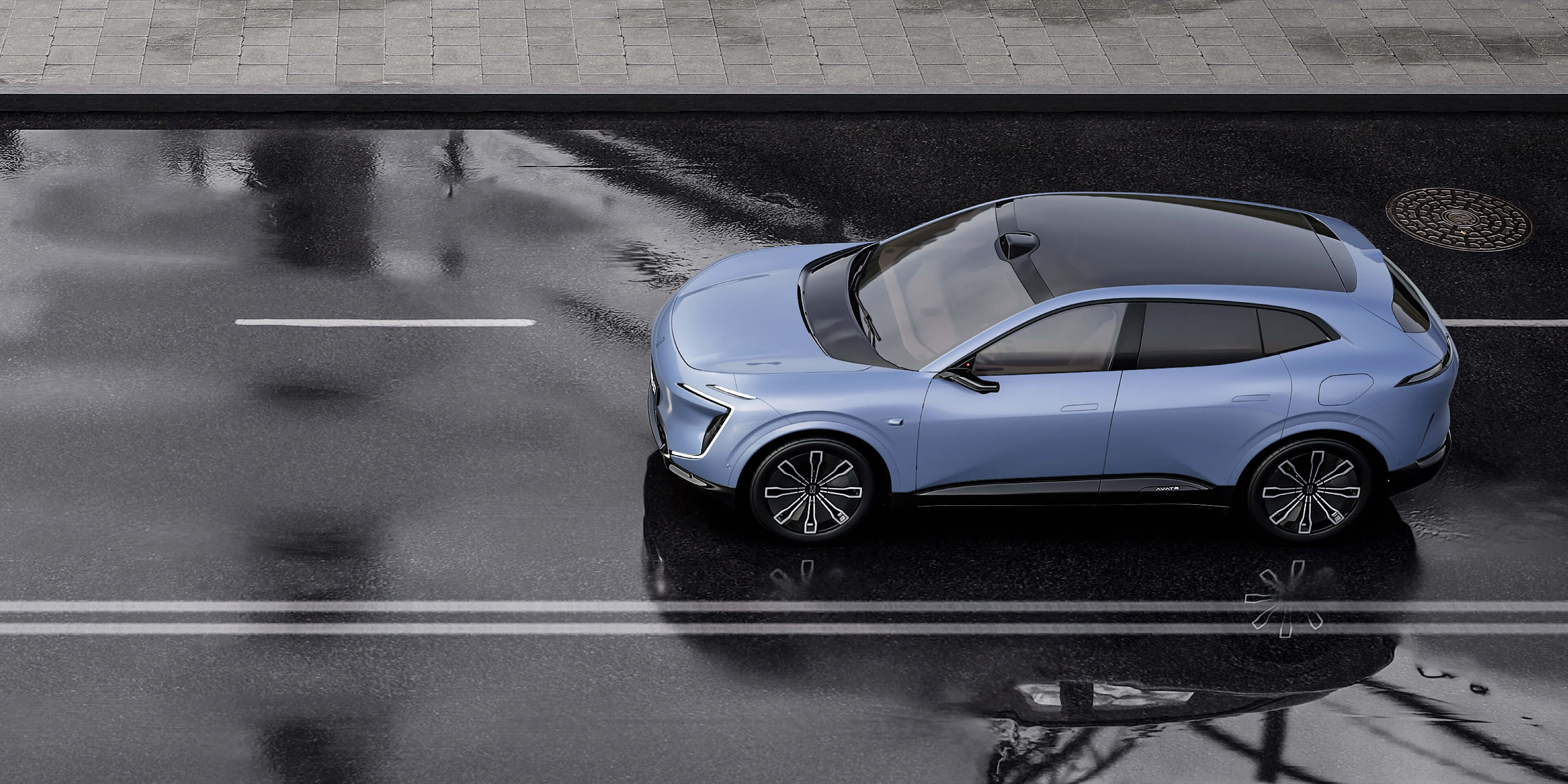
The BEV variant is built on an 800V high-voltage architecture, equipped with an 82.16 kWh LFP battery. The RWD motor outputs 252 kW / 365 N·m, achieving a CLTC range of 650 km; the AWD version delivers a combined 362 kW and hits 0–100 km/h in just 3.9 seconds, with 30–80% fast-charging completed in only 10 minutes. Urban energy consumption averages 14–17 kWh/100 km, and cabin quietness surpasses the REEV version—ideal for users with reliable home charging access.
Cockpit Experience: HarmonyOS-Powered—Big Screens That Prioritize Utility Over Gimmicks
The most eye-catching interior feature is the 35.4-inch 4K panoramic curved star-ring display—replacing the traditional instrument cluster. Navigation, speed, and ADAS status appear as intuitive cards in clearly defined zones. There’s a brief 1–2 day learning curve, but once accustomed, drivers need far less frequent downward glances—significantly boosting safety. The central touchscreen is a 15.6-inch 2K floating display—smooth to operate and only mildly reflective under intense sunlight.
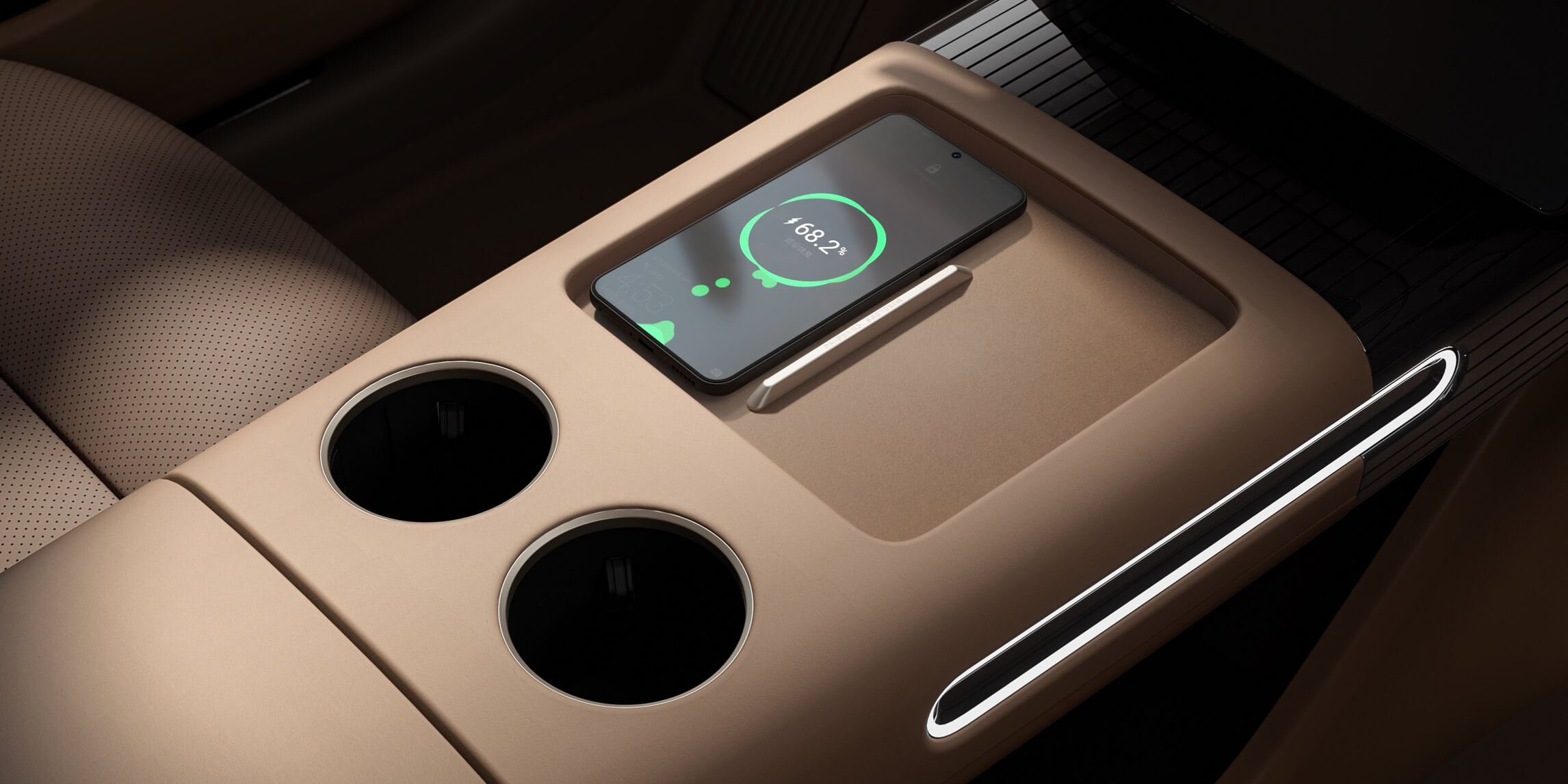
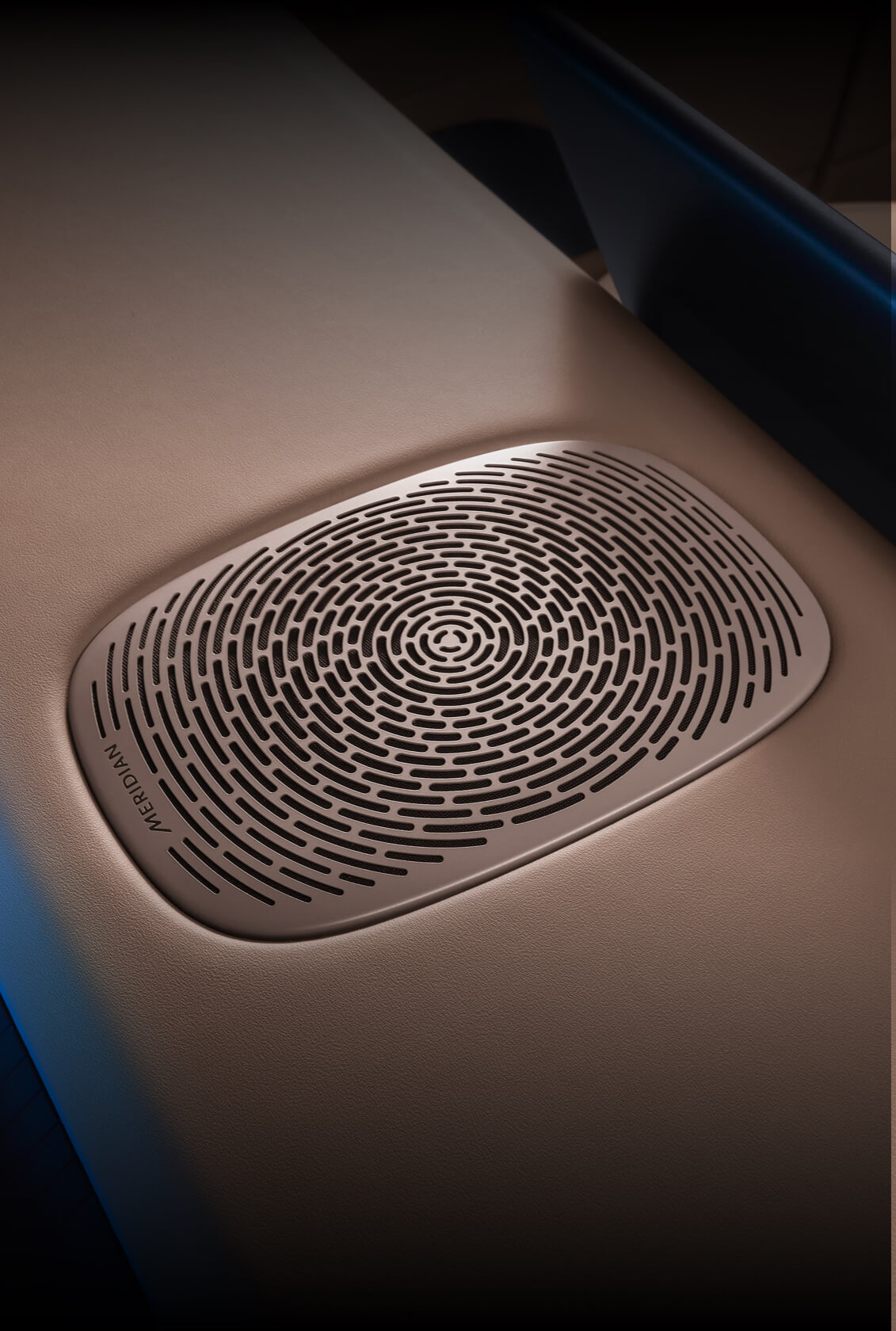
The HarmonyOS infotainment supports 5G connectivity and quad-zone voice recognition. The wake-up phrase “Xiao Ta, Xiao Ta” responds instantly, and supports multi-step continuous commands (e.g., “Turn on seat heating and raise cabin temperature”). The stalk-mounted gear selector frees up console space; front-row wireless charging (50W) is standard. Audio comes standard with 16 speakers, 7.1-channel surround sound, and a 1,408W amplifier—delivering clear vocals and tightly controlled bass, more than sufficient for everyday listening. Soft-touch materials and meticulous stitching dominate the cabin; physical buttons are scarce—HVAC and other functions rely on touch or voice. This is the trade-off of minimalism—and the hallmark of intelligent mobility.
Space & Versatility: Genuine Five-Seater, Campers Welcome
Dimensions: 4,825 × 1,980 × 1,605 mm (BEV version slightly taller), wheelbase 2,940 mm. For a 175 cm occupant, front headroom measures ~1.5 fists after optimal seating adjustment; rear legroom exceeds two fists, with minimal floor tunnel intrusion—comfortable even for middle-seat passengers on shorter trips. Selected trims offer zero-gravity seats with heating, ventilation, massage, and powered leg rests—noticeably easing fatigue on long journeys. The trunk offers 500 L of standard capacity—easily fitting two 28-inch suitcases. With 40:60 split-folding rear seats, volume expands to 1,325 L on a flat load floor. The 3.3 kW vehicle-to-load (V2L) function powers camping lights, coffee makers, projectors, and more without strain.
Pricing & Verdict: A Well-Rounded, Rational Choice—No Weak Spots
The 2026 Avatr 07 starts at ¥219,900 and tops out at ¥289,900—with up to ¥25,000 dealer incentives already available. It doesn’t chase single-point breakthroughs like a ‘one-trick pony’. Instead, it’s a consistently strong ‘honor student’: class-defying chassis quality, standardized top-tier ADAS, dual powertrains covering diverse needs, a fluid and practical cockpit experience, and robust space and versatility.
If you have convenient charging access and moderate annual mileage, the BEV RWD model delivers serene efficiency. If you frequently travel long distances or lack reliable charging infrastructure, the 52.01 kWh REEV variant—with its 1,200 km total range—is your peace-of-mind ace. Within the mainstream ¥200,000–¥300,000 new-energy SUV segment, the Avatr 07 may not shout the loudest—but it earns trust the most. And that, in a mature market, is the rational answer.
Комментарии
0 комментариевКомментариев пока нет. Будьте первым!
Отправить комментарий