
Recently, Zeekr officially rolled out the OTA 7.2 update. This major over-the-air release introduces 40 brand-new features and 18 refinements to user experience — centered on three core modules: the upgraded Super Eva voice assistant, the advanced G-ASD 4.0 intelligent driving system (codenamed Qianli Haohan), and the all-new Zeekr AI OS 7 cockpit operating system.
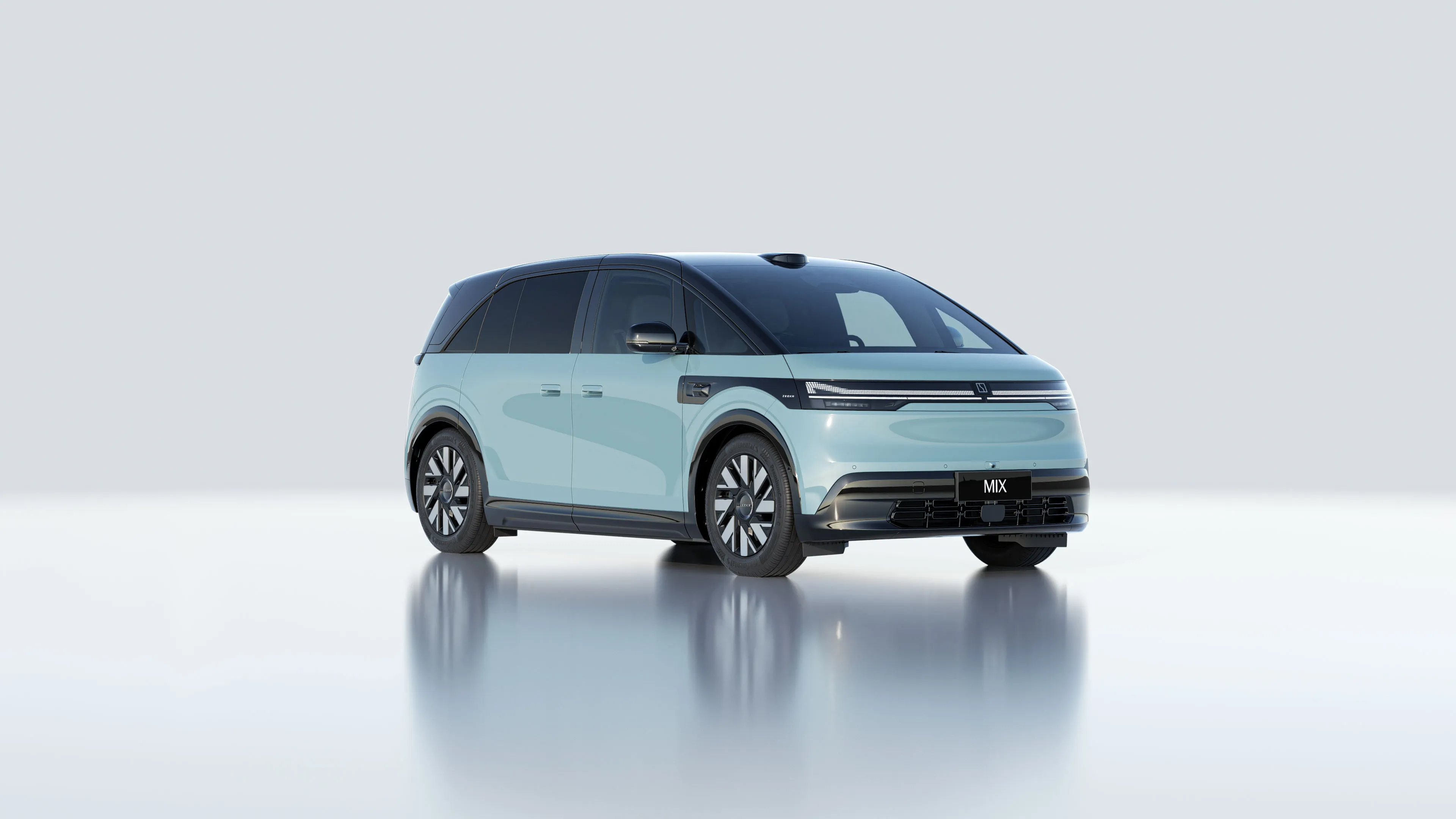
The OTA update is available for all Zeekr models equipped with the Qualcomm Snapdragon 8295 smart cockpit computing platform. Meanwhile, G-ASD 4.0 intelligent driving features are accessible only to vehicles fitted with Qianli Haohan H7 or higher-tier intelligent driving hardware.
A highlight of this update is the comprehensively revamped Super Eva voice assistant, which delivers significantly more natural, human-like interactions. The new version supports emotion recognition — interpreting users' underlying intent and tone — and enables continuous, conversational dialogue. In navigation scenarios, it accurately parses vague location descriptions and instantly plans complex multi-stop routes. Additional enhancements include real-time scene recognition and narration — automatically identifying roadside scenery, buildings, road signs, etc., while delivering contextual information aloud. Other new capabilities include customizable address nicknames, external voice alerts to warn pedestrians, one-touch rain-night mode (simultaneously raising windows, heating side mirrors, defogging, and activating blind-spot monitoring), tire pressure voice queries, seamless switching between Chinese and English, and customizable wake words.
On the intelligent driving front, G-ASD 4.0 leverages a re-engineered World Behavior Model and integrated longitudinal-lateral control model. According to official claims, it achieves near-universal coverage — assisting drivers seamlessly across 99% of road conditions without disengagement. When approaching manned toll booths, the system autonomously identifies barriers and slows down to wait for gate lifting. On rural dirt roads or unpaved surfaces, it dynamically detects curbs, gravel, and obstacles to maintain stable vehicle posture. Upon reaching the destination, it automatically pulls over and parks smoothly. At the algorithm level, the system anticipates hidden intentions of surrounding vehicles and pedestrians, proactively yielding or maneuvering around them — significantly improving turning, lane-changing, and path-planning capabilities. The safety protection suite has also been expanded, adding blind-spot risk deceleration, SOS emergency parking assistance, roof-collision warning, low-speed exploration aid, adverse-weather adaptive safeguards, and NZP (Navigate on ZAD) trip reporting. For parking, new features include offset parking for narrow spaces, rear-end exit parking, and low-speed mapless campus roaming.
Underpinning the cabin experience is the all-new Zeekr AI OS 7 operating system — visually redesigned by Zeekr's Swedish design team. It features a refreshed icon system, fluid elastic animations, and multiple static wallpapers. Interaction logic has been fully overhauled to support smart split-screen, gesture-based blind operation, and cross-device content sharing across all in-car displays. Application windows can be freely resized and grouped. A standout feature is the AI-powered generative desktop: the AI Sidebar — a multi-module perception component — anticipates user needs and enables zero-layer access to key functions. Dynamic 'Capsule' widgets proactively surface critical info like navigation status, vehicle health, and media playback — dramatically shortening interaction paths.
Beyond these three pillars, the OTA also adds lane-change collision warnings for nearby approaching vehicles, dedicated assistance prompts for bus lanes and construction zones, charging history lookup via the Zeekr app, and scheduled charging functionality. System-level optimizations further enhance infotainment responsiveness, screen mirroring stability, and instrument cluster display logic — refining the overall experience across driving, parking, commuting, and entertainment use cases.
Comments
0 commentsNo comments yet. Be the first!
Post Comment