
Design: Practical Chassis Layout, Service-Friendly Engineering
A veteran auto technician with 12 years' experience — and hands-on work on hundreds of EVs — lifted both Deepal L07 and Geely Galaxy E8 simultaneously on the first-service bay. This wasn't a head-to-head comparison, but rather a frontline 'serviceability health check.' The Deepal L07 features full underbody protection panels; its battery pack is encased in a robust aluminum alloy frame; and its FSD variable-damping shock absorbers use purely mechanical construction — no electronic control units — resulting in lower theoretical failure rates. According to the official service manual, maintenance intervals stretch up to 60,000–70,000 km, significantly reducing long-term ownership anxiety.
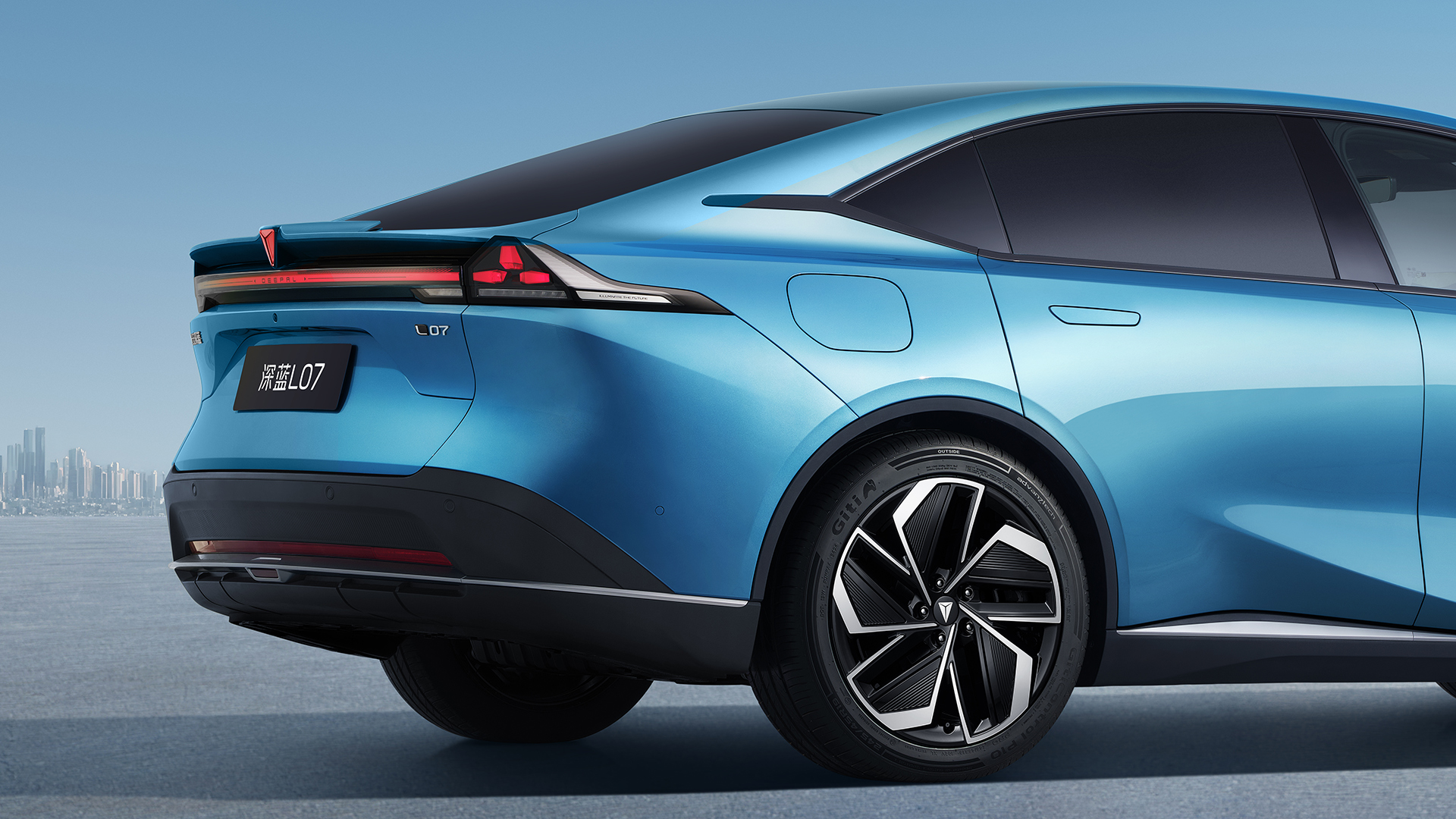
In terms of space design, the L07 offers a completely flat rear floor — no driveshaft hump — and convenient access to the center tunnel for servicing. Its hatchback tailgate hinges are solidly built, and the inner trunk liner panels on both sides can be quickly removed, giving clear visibility of the rear shock tower tops. These aren't marketing gimmicks — they're real-world features that cut labor time and reduce the risk of technician error.
Powertrain: Tuned for Smoothness, Prioritizing Comfort & Durability
During test drives, the L07's suspension absorbed fine road imperfections effectively. Over speed bumps, damping transitions remained linear, body rebound was well controlled, and vertical acceleration in the rear seat stayed low — making rides more comfortable for elderly passengers and children, and reducing motion sickness. Its maximum outputs are 58 kW and 85 kW, with peak torque at 130 N·m and 150 N·m (across variants) — not performance-oriented, yet fully sufficient for smooth, relaxed daily commuting.
Intelligence: Streamlined, Pragmatic Tech — Lower Long-Term Ownership Costs
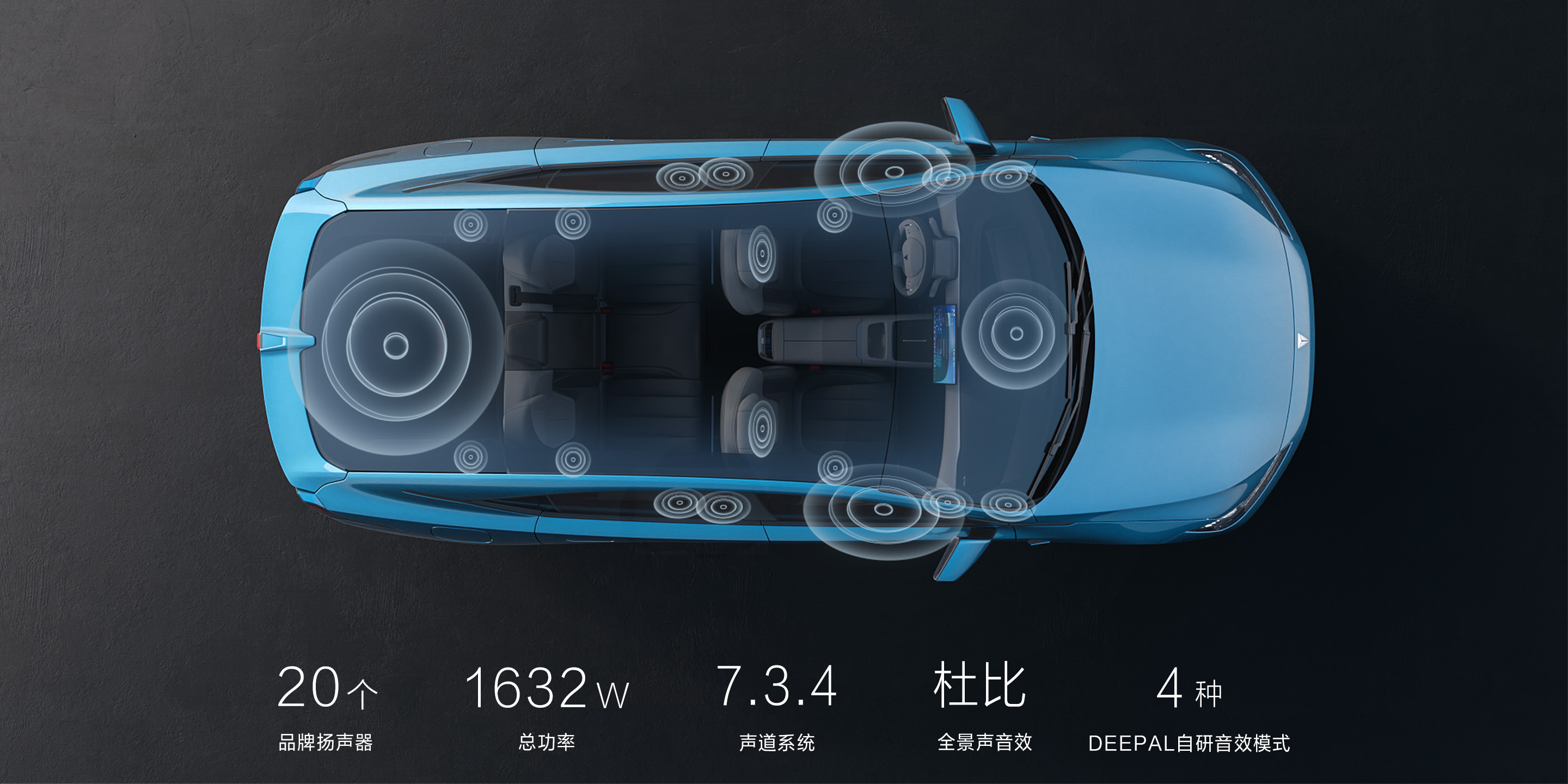
Compared to competitors' feature-heavy infotainment stacks, the L07's cabin philosophy leans toward functional minimalism: quadruple-layer door seals plus thick acoustic insulation ensure cabin quietness — but it omits high-cost, high-failure components like seat massage motors, 45-inch displays, or fragrance systems. Fewer electronic parts mean fewer potential failure points and lower replacement costs — a crucial advantage for families planning to keep their vehicle for six to seven years.
Pricing: Starts at ¥135,900, with ¥10,000 Dealer Incentive
The current starting price for Deepal L07 is ¥135,900, with up to ¥10,000 in dealer cash incentives available. Combined with its chassis build quality, suspension tuning, and service-friendly engineering, this price point delivers strong value among 2026 midsize electric sedans.
Conclusion: Not the Flashiest — But Possibly the Most Hassle-Free
If you're seeking a family EV that doesn't rely on spec-sheet hype or flashy marketing — but instead embeds 'comfortable to drive, easy to service, durable to own' into its core DNA — the Deepal L07 deserves serious consideration. It skips frameless doors for visual impact and avoids chasing razor-sharp handling. Instead, it strikes a pragmatic balance across suspension suppleness, acoustic refinement, and service economy. For drivers averaging 15,000 km/year and planning a 5+ year ownership horizon, the L07 may prove more genuinely suited to the role of 'Li daily companion' than rivals whose brochures shine brighter than their real-world usability.
Comments
0 commentsNo comments yet. Be the first!
Post Comment