
Honda is enduring its darkest period since listing nearly 70 years ago. In fiscal year 2026 (April 2025–March 2026), the company posted a net loss of ¥423.9 billion (approx. RMB 18.2 billion)—its first-ever annual loss in history. Just one year earlier, it had recorded a net profit of ¥835.8 billion.
Veteran Executives Demand CEO’s Resignation
Following its April financial report release, an unprecedented internal crisis erupted. Ninety-year-old former Honda CEO Nobuhiko Kawamoto appeared in person at Honda’s Tokyo headquarters and directly demanded current CEO Toshihiro Mibe step down. This was not an isolated act—since late last year, multiple retired senior executives have secretly coordinated, targeting Mibe’s three major strategic missteps: gross neglect of the Chinese market, reckless and uncontrolled all-electric push, and excessive focus on non-core sponsorships like golf—diverting investment away from product development.
Though Mibe announced a 30% pay cut to assume responsibility, he has yet to announce resignation or any major strategic overhaul—and remains firmly in charge.
EV Overreach Backfires: From 30 EV Models to Full Retreat
Honda’s collapse stems not from slow transformation—but from moving too fast, too alone. In 2021, it became the first Japanese automaker to declare it would cease selling gasoline-powered vehicles globally by 2040. It pledged ¥10 trillion in EV investment by 2030, launching 30 pure-electric models and building a global EV production capacity of 2 million units annually—even signing a $11+ billion EV factory deal in Canada.
Reality proved brutal: Honda scrapped its 2040 ICE phaseout target in FY2026; canceled all North American ‘0 Series’ EVs; terminated the Acura RSX electric sports car project; stalled progress on the jointly developed Afeela brand with Sony; and froze construction of its Canadian EV plant. Asset impairments, equipment write-offs, and contract penalties totaled ¥2.5 trillion (over RMB 100 billion), dragging down the entire financial statement.
China Market Collapse: One Million Units Lost in Five Years
Honda’s implosion in China is especially symbolic. Its peak sales in 2020 reached 1.6269 million units—roughly 8% market share. Then came steady decline: 1.56 million in 2021, 1.37 million in 2022, 1.23 million in 2023, 850,000 in 2024, and just 640,000 in 2025—a cumulative drop of nearly one million units, or over 60%. In April 2026, monthly sales plunged 48% YoY; May’s figures neared halving again, falling below 30,000 units—lower than many Chinese NEV startups’ monthly deliveries.
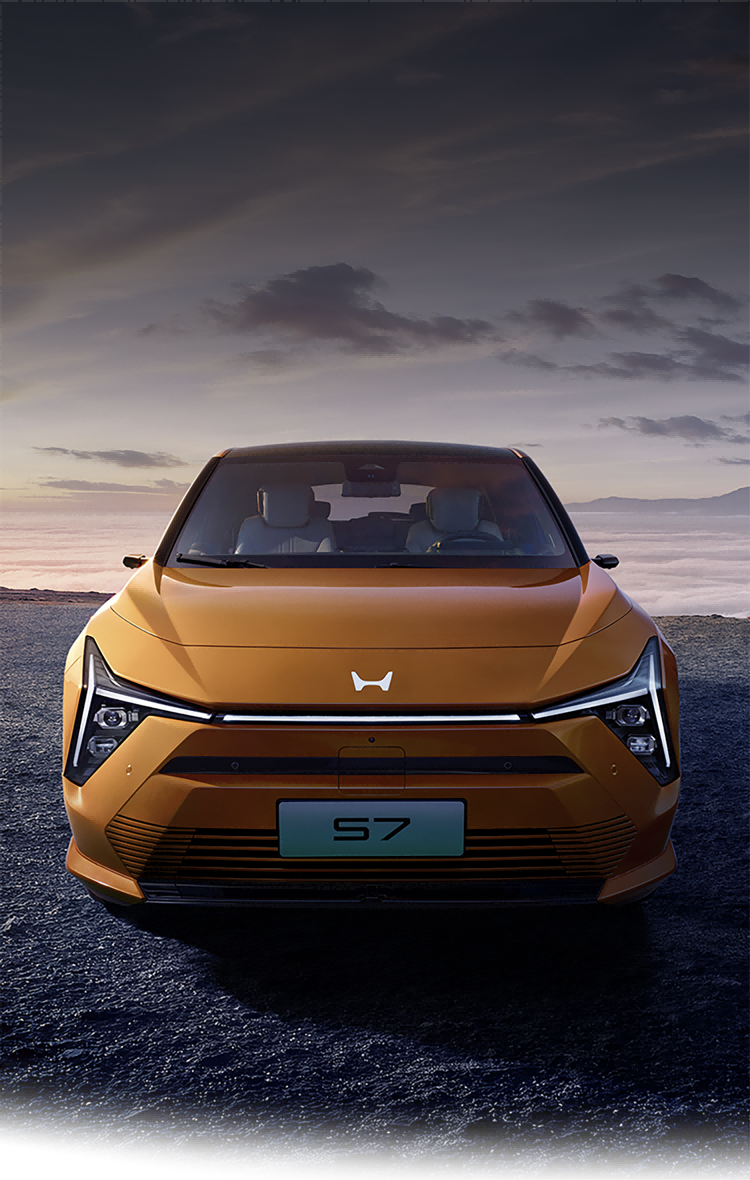
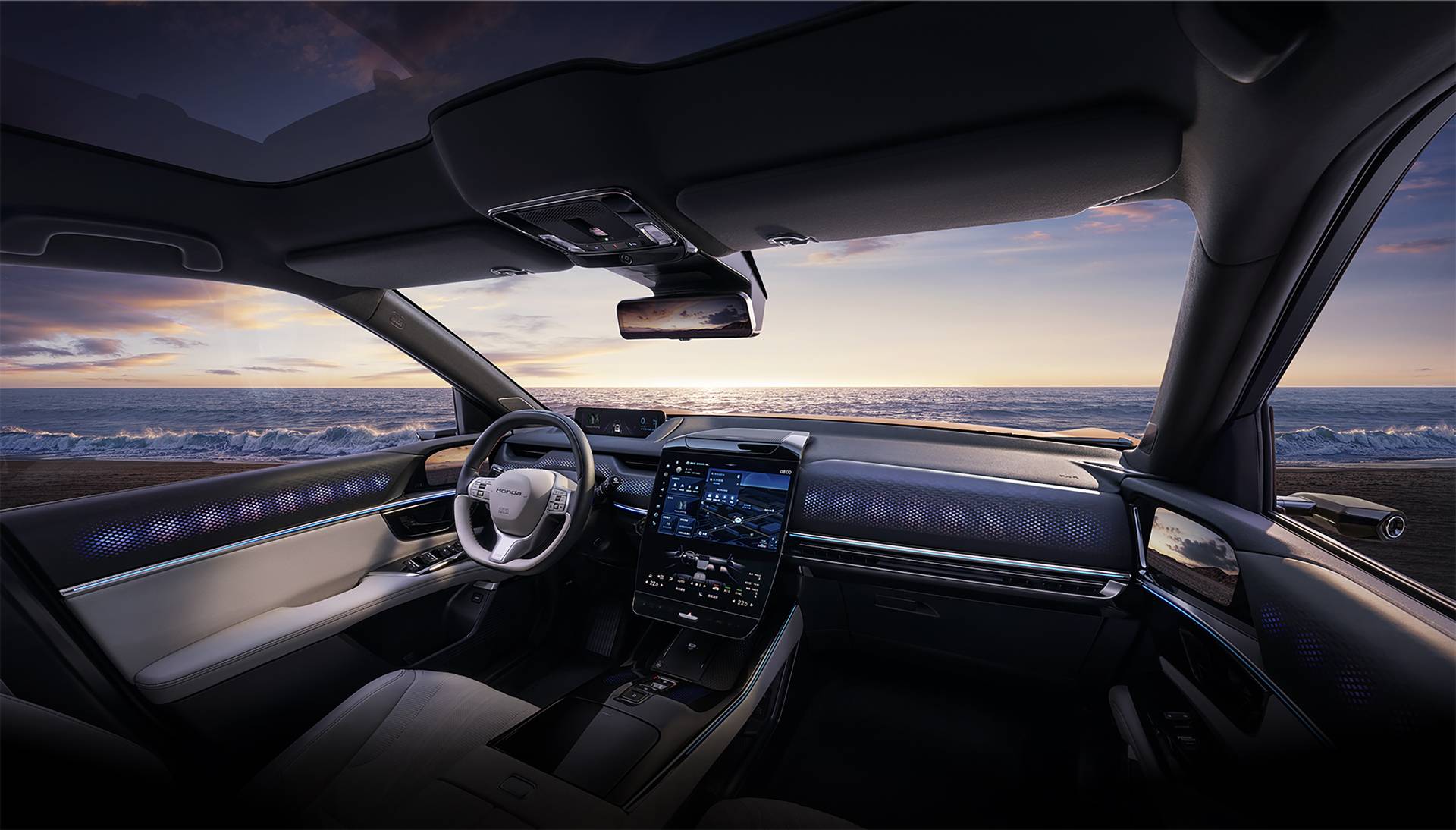
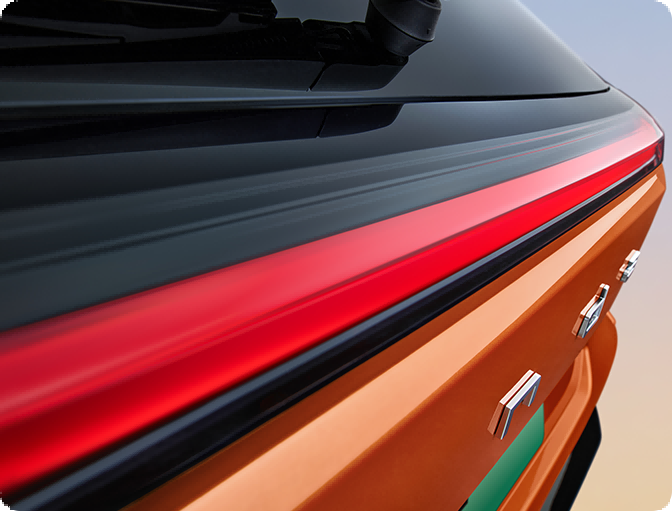
Accord, Civic, and Fit sales collapsed across the board; only CR-V managed to stay above 10,000 units monthly. Its locally developed EVs—the P7 and S7—sold fewer than 1,000 units each in the first five months of 2026.
The root cause lies in strategic misalignment: While BYD, Huawei, and Xiaomi redefined user value through intelligent cockpits, NOA-level autonomous driving, and frequent OTA updates, Honda clung stubbornly to its legacy ‘fuel-efficient + durable + high residual value’ ICE logic. More critically, its Japan-headquarters-led R&D model—relying on joint venture imports—proved utterly obsolete amid China’s rapid NEV iteration pace: a three-year EV development cycle meant launch coincided with competitors’ second-generation products.
A Late Pivot: Abandoning In-House Platforms, Importing Chinese Models
It wasn’t until Honda’s May 2026 Global Strategy Announcement that the company formally pivoted: abandoning its proprietary EV platform and instead adopting battery-electric and plug-in hybrid architectures co-developed by GAC and Dongfeng. The first collaborative models are slated for production starting in 2028. Symbolically, the Dongfeng Honda Lingguang e:NS2 (marketed in Japan as the Insight) will be exported back to Japan—the first time a Japanese automaker has reintroduced a China-built vehicle into its domestic market.
A source close to Honda admitted: “China has entered the smartphone era—while we’re still using flip phones.” Can this belated turnaround reverse Honda’s slide? Time—now Honda’s scarcest resource—is running out.
Comments
0 commentsNo comments yet. Be the first!
Post Comment