
Effective July 1, 2026, the National Standard for Solid-State Batteries officially comes into force — marking the first mandatory technical definition of 'all-solid-state' for traction batteries. The standard stipulates that automotive solid-state battery cells must withstand six hours of continuous heating at 120°C under vacuum conditions, with residual liquid electrolyte mass not exceeding 5% of total cell mass, to qualify for official 'all-solid-state' certification. This move ends industry-wide ambiguous marketing terms such as 'semi-solid-state' and 'liquid–solid hybrid,' shifting the focus from lab-spec parameters to real-world production capability.
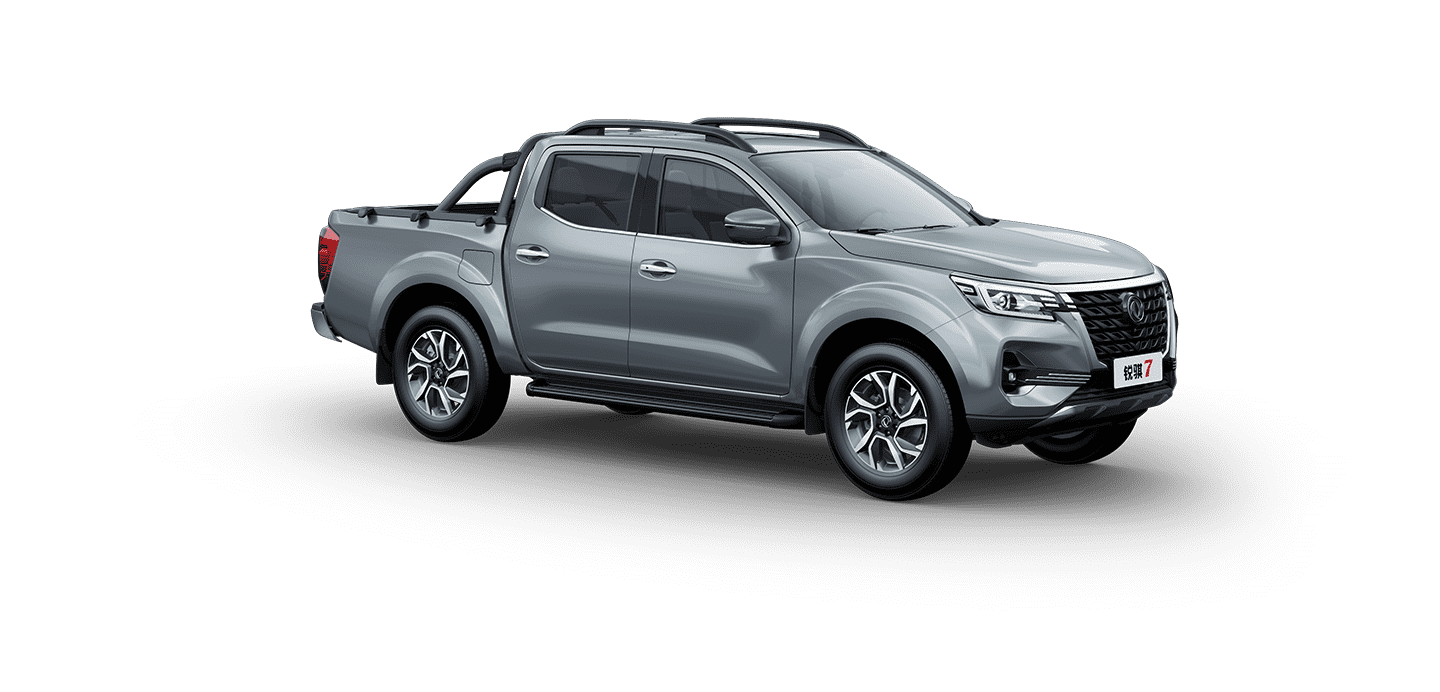
On the manufacturing front, Dongfeng Automotive is accelerating construction of its proprietary 0.2 GWh solid-state battery production line, targeting vehicle integration in the second half of 2026. According to its operational progress filing, the line employs oxide–polymer composite cells achieving an energy density of 350 Wh/kg and a real-world tested range of up to 1,000 km. It has also passed high-temperature baking at 170°C and extreme cold testing in Mohe, retaining 72% capacity at −40°C. Dongfeng plans to deploy 100 demonstration vehicles first in Hubei Province to collect real-world operating data and pave the way for commercialization.
Progress among other leading players varies: Do-Fluoride's Tianjin base has already launched GWh-scale certified solid-state batteries — also at 350 Wh/kg — while Saike Power's Yibin sulfide-based pilot line remains under factory construction, with equipment calibration expected only by end-2026. Gotion High-tech Co., Ltd. has completed full in-house equipment validation, achieving 100% domestic localization of core machinery — including slot-die coaters and high-pressure calendering machines — significantly lowering expansion costs.
Despite notable domestic equipment breakthroughs, broad commercialization remains constrained. CATL's internal assessment notes that fundamental chemical challenges — such as abnormally high solid–solid interface resistance — remain unresolved, and liquid electrolyte batteries are expected to dominate deliveries through at least 2030. For now, the pragmatic path forward — 'localized pilots + fully domestic equipment + closed-loop data' — is widely viewed as the realistic route toward industrializing solid-state batteries.
Comments
0 commentsNo comments yet. Be the first!
Post Comment