
In early June, major automakers released their May sales figures. Dongfeng Honda announced its terminal sales volume for May stood at 18,563 units, with the flagship CR-V accounting for 11,408 units—over 60% of the brand’s total and maintaining its position as the top-selling model. Yet this figure falls short of half the monthly deliveries achieved by leading new-energy brands—and pales in comparison to Dongfeng Honda’s peak monthly sales of over 70,000 units back in 2018–2019.
New vs. Traditional: A Widening Gap Has Become the Norm
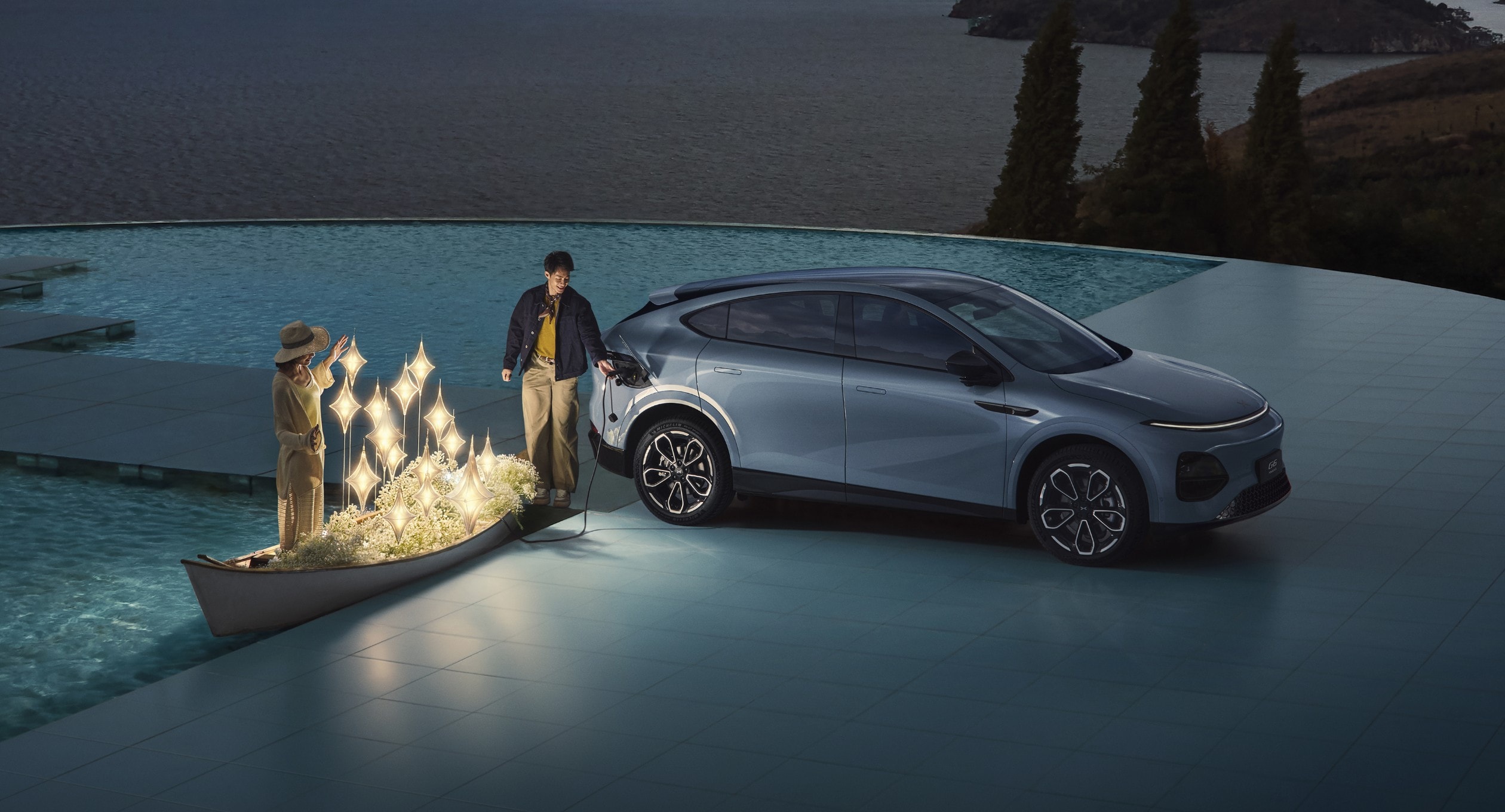
Horizontal comparisons reveal a clear trend shift: Leapmotor delivered 81,569 units in May—4.4 times Dongfeng Honda’s total; NIO delivered 37,705 units; Li Auto, 33,350 units; and XPeng, 32,158 units. All four new-energy brands surpassed 30,000 units monthly—and posted year-on-year growth. Notably, these figures stem not from broad model lineups, but from core products spanning both BEV and extended-range platforms. For instance, the XPeng G6 alone contributed over 12,000 deliveries in May.

Fuel-Powered Base Shrinking; Electrification Lags Behind
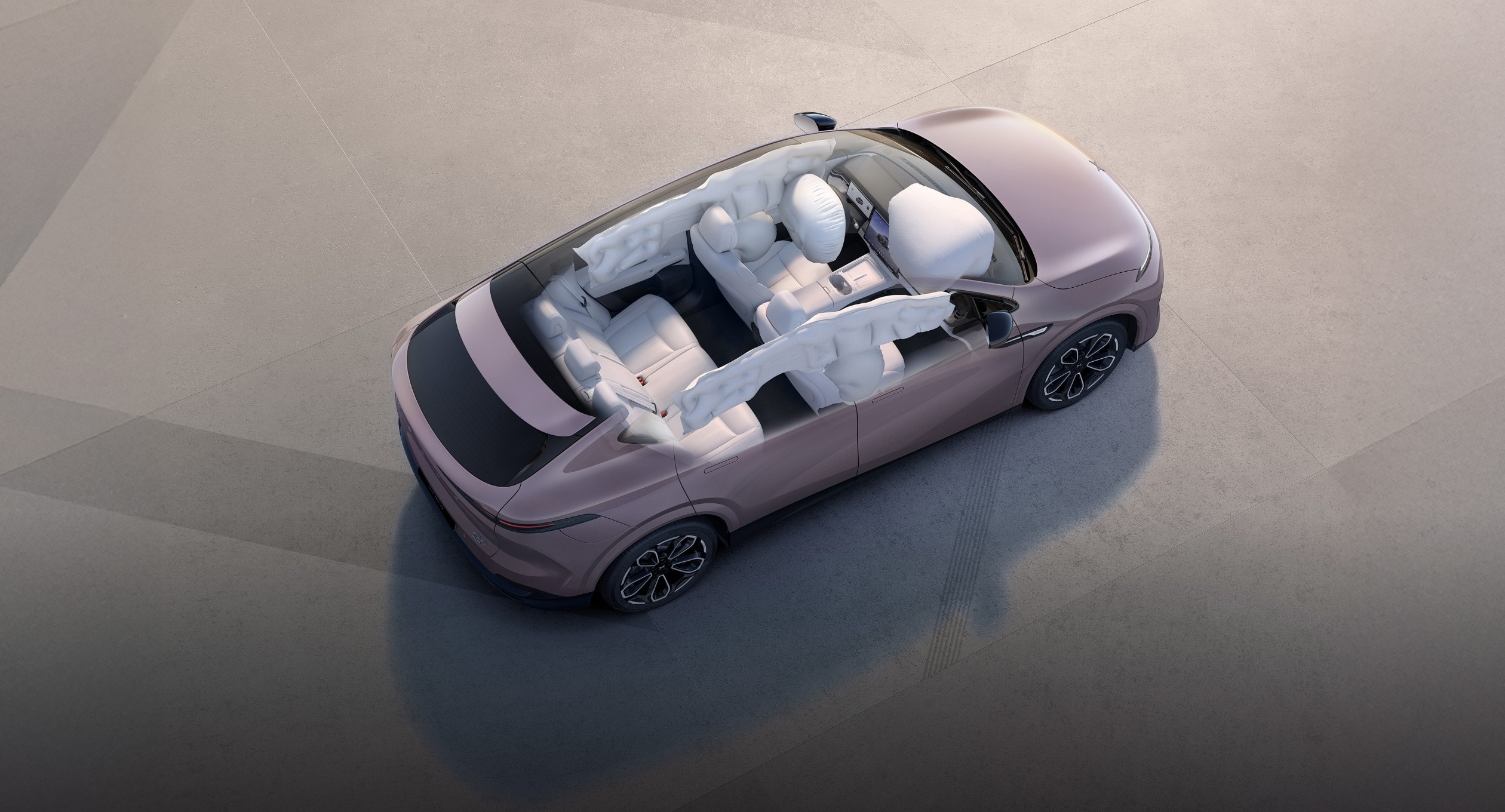
Dongfeng Honda remains heavily reliant on fuel-powered vehicles: the CR-V, Civic, and XR-V collectively account for over 90% of its total sales. Although pure-electric models like the e:NS1 have launched, they’ve consistently sold only in the low thousands per month—failing to generate meaningful growth. In contrast, the XPeng G6—a 2024 launch built on an 800V high-voltage SiC platform—quickly became a benchmark in the RMB 200,000–300,000 BEV SUV segment thanks to its full-stack 800V fast charging, XNGP intelligent driving assistance, and class-leading interior space. The newly updated 2026 model further refines battery thermal management and cabin interaction logic—sustaining rapid product iteration.
Structural Market Shift Is Irreversible
Data from the China Association of Automobile Manufacturers (CAAM) shows that China’s NEV penetration rate reached 61.2% in May 2024—the first time exceeding 60%. In Tier-1 and new first-tier cities, NEVs now account for over 75% of purchases in the mainstream RMB 200,000+ price bracket. Consumer priorities are shifting decisively—from “fuel efficiency and durability” toward “intelligent driving experience, charging speed, and ecosystem integration.” Long-standing supply-chain advantages held by Japanese OEMs (Toyota, Honda, Nissan) are increasingly outpaced by domestic new-energy brands’ vertical integration speed and responsiveness in key areas: battery-electric-powertrain (BEP), electronic/electrical architecture, and AI large-model deployment.
Industry observers note that traditional joint ventures’ transformation challenges lie less in technical capability than in organizational inertia and decision-making bottlenecks: EV development cycles still average over 36 months—while top new-energy players have slashed them to under 18 months. When markets evolve quarterly, annual facelifts can no longer reverse decline.
Comments
0 commentsNo comments yet. Be the first!
Post Comment