
Design: Balancing Eastern Elegance and Flagship Presence
When it comes to BYD Datang EV, the first impression is often summed up in one word — big. With a near-5.3-meter body length, a 130kWh battery pack, and an official 850km CLTC all-electric range for the AWD version, its specs scream flagship status. Yet once you step inside and walk around the vehicle, you'll realize that its design philosophy goes far beyond sheer size.
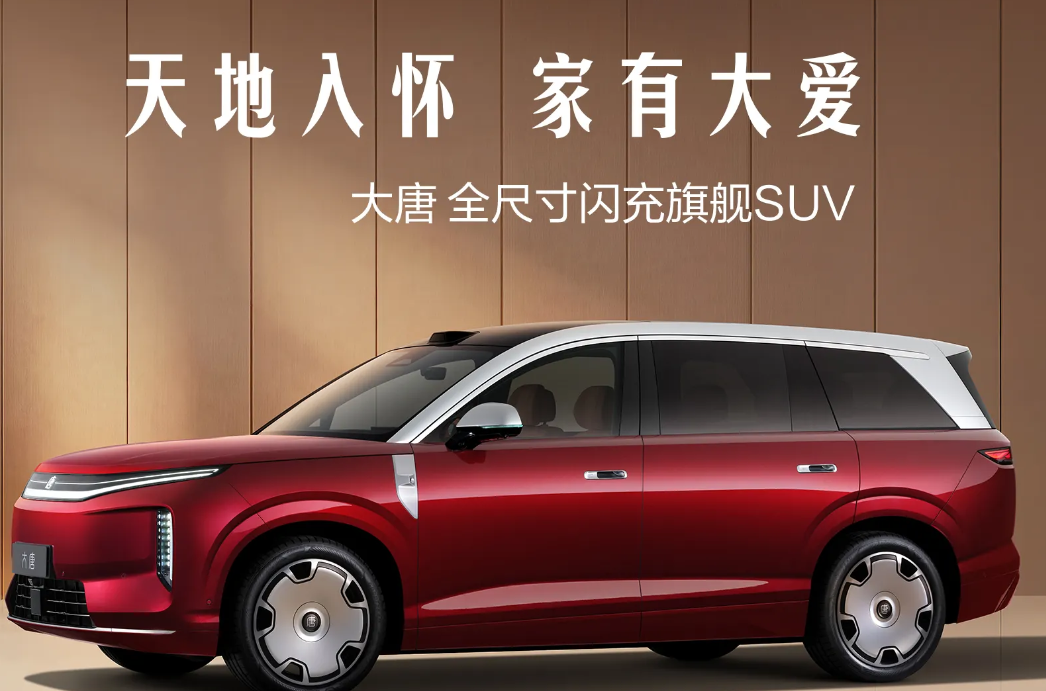
The front fascia retains the Dynasty series' signature language: a closed-off grille paired with a full-width light bar — stately yet instantly recognizable. Clean, flowing body lines, combined with rear privacy glass and a subtle rear spoiler, effectively soften the visual weight of its extra-long silhouette, resulting in a more harmonious proportion. At the rear, the upgraded 'Silk Chinese Knot' taillights feature refined light structures that add depth and dimension; their dynamic illumination at night delivers a distinctly Eastern aesthetic.
Exterior color options include five monochrome schemes, plus a dual-tone variant (available for a launch incentive price of ¥5,000). The Datang Prosperity Edition can be selected at no extra cost, further enhancing perceived value.
Interior: Substantial Luxury with Thoughtful Details
Step into the cabin and you're greeted by NAPPA leather wrapping the dashboard, door panels, and seats — tactile, warm, and premium. Real wood-grain trim blends seamlessly with brushed metal accents; the black-and-orange interior (as featured in this test vehicle) coexists with a black-and-white two-tone option — striking a balance between sporty energy and refined elegance.
The DiLink 150 intelligent infotainment system operates smoothly, with intuitive interaction logic. Hardware and software work in concert to deliver a cabin ambiance on par with traditional luxury brands. All four front- and second-row seats offer power adjustment, ventilation, heating, and massage functions; even the third-row seats feature power adjustment and heating — practicality that surpasses most rival seven-seat SUVs.
Equipment is generous across the board: a built-in chiller/warmer fridge, rear-seat entertainment screens, power-closing doors, double-layer acoustic glass throughout, and privacy glass are all standard. The functional completeness of the second and third rows approaches that of vehicles positioned higher in the lineup.
Space: A Genuinely Family-Friendly Layout
The 2+2+3 seating configuration lies at the heart of its spatial strategy. A 180cm-tall tester sitting in the front row enjoys two-fist headroom. The second row features independent business-class seats — legroom and headroom both exceed two fists — with multi-directional adjustment, individual climate control, armrests, and temperature display screens. When the second row is adjusted to leave just one fist of legroom, the same-height passenger seated in the third row experiences no noticeable claustrophobia — short or medium-length trips remain comfortable.
Storage capability is equally impressive: a compact fridge resides in the front center console; additional under-dash storage expands capacity. The second-row chiller/warmer fridge easily fits six 596ml water bottles; door pockets and side seat storage are plentiful. Though basic, the third row still includes cupholders and smartphone slots for everyday convenience.
In our trunk capacity test using standard 20-inch carry-on luggage (30 pieces total): with all seven seats occupied, the regular cargo area plus hidden compartments hold five bags; folding down the third row increases capacity to 15; most surprisingly, the front trunk — 252L in volume — swallows three carry-ons with ample room to spare at the bottom.
Conclusion
BYD Datang EV clearly signals flagship ambition: dimensions, materials, equipment, and space planning all target premium family and business users — and achieve a rare harmony between Eastern design sensibility and pragmatic usability.
Comments
0 commentsNo comments yet. Be the first!
Post Comment