
In the premium compact SUV segment, Audi Q3 has long served as the 'entry-level gatekeeper.' On June 29, 2026, the all-new Audi Q3 was officially unveiled. Though its launch date and pricing remain unannounced, its design, equipment, and powertrain strategy clearly aim to further solidify its existing customer base.
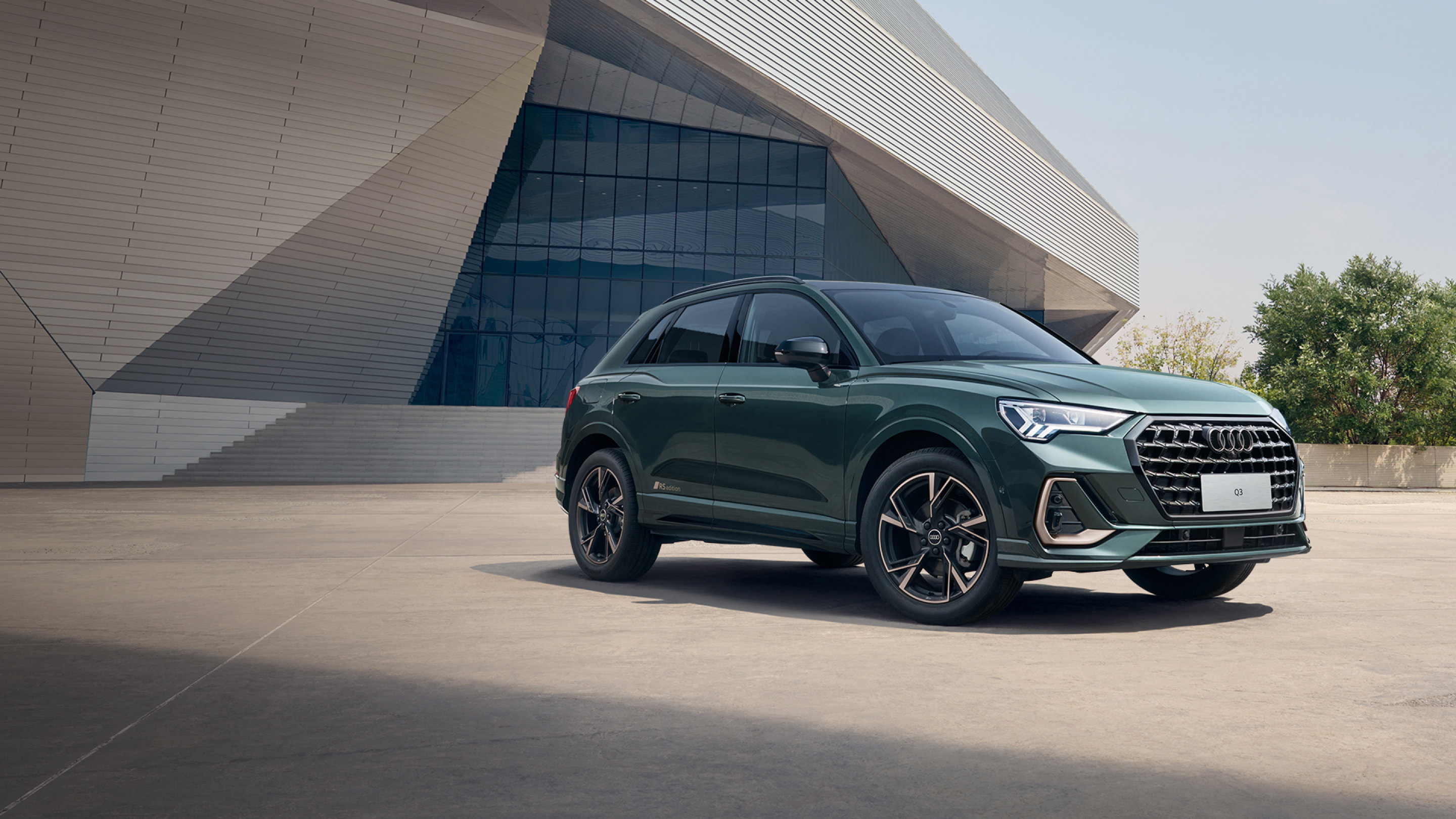
Exterior & Interior: Evolutionary Family Design, Enhanced Build Quality
The new model retains Audi's signature hexagonal grille and sharp LED headlights. Its side profile features taut, flowing lines, flared wheel arches, and large-diameter wheels — emphasizing sportiness. The rear adopts a highly distinctive full-width-style taillight, balancing trendiness and tech appeal. Inside, a large central touchscreen integrates smart connectivity functions with smooth responsiveness; the fully digital virtual instrument cluster remains intact, delivering intuitive and clear driving information. Materials and assembly quality show marked improvement over the previous generation — plastic-heavy surfaces are reduced, while tactile and visual refinement both advance.
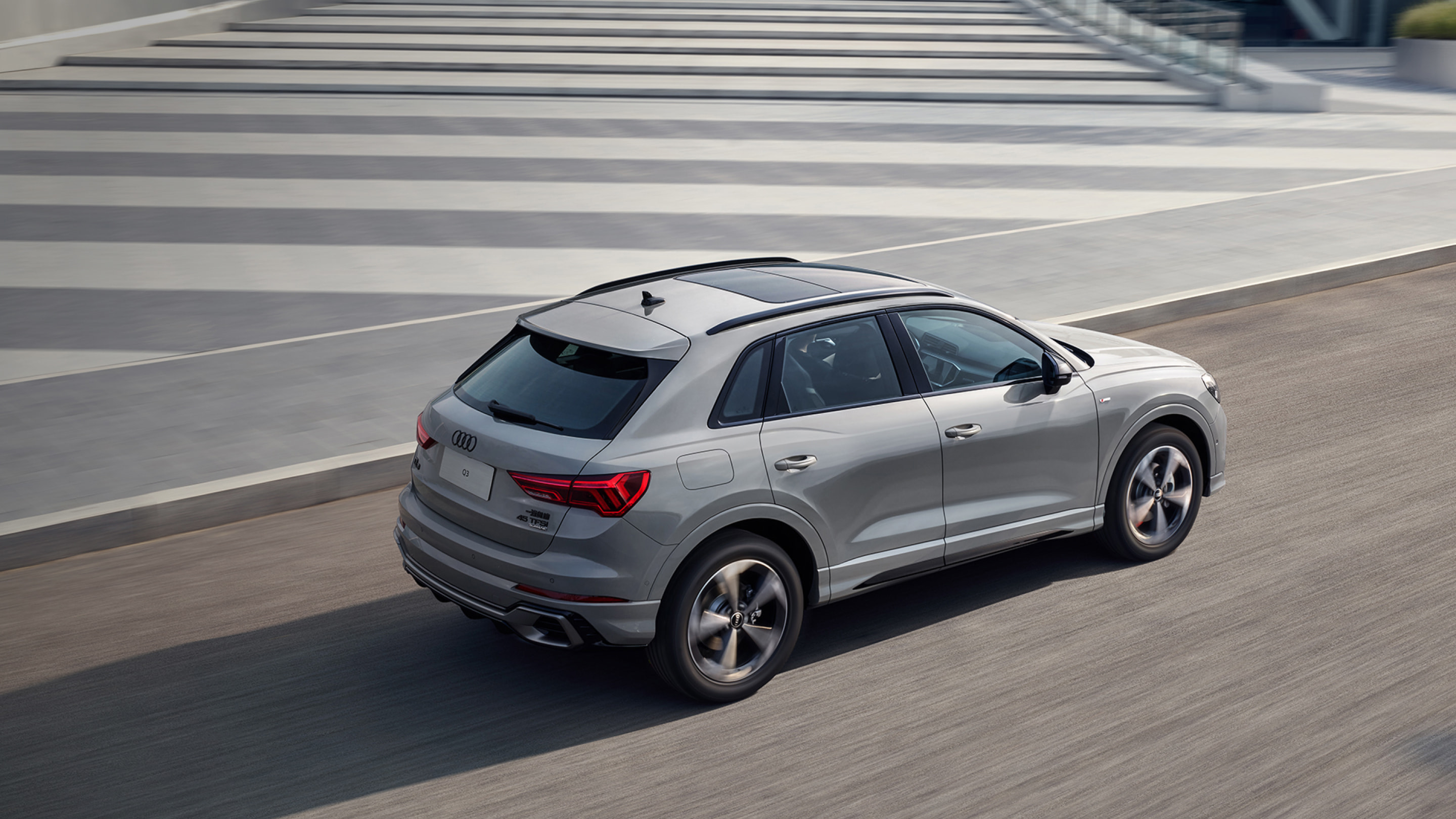
Powertrain & Chassis: Focused on Gasoline Reliability — Quattro Still a Core Selling Point
The vehicle is powered by a turbocharged engine proven through years of market use, prioritizing smoothness and durability. Peak outputs are 58 kW and 85 kW, with peak torque at 130 N·m and 150 N·m — two tuning variants corresponding to these figures. It pairs with Audi's hallmark quattro all-wheel-drive system and an optimized chassis setup, delivering both TownCar-level commuting stability and capable off-pavement performance. No hybrid or battery-electric variants were mentioned, nor were battery capacity or pure-electric range figures disclosed.
Market Positioning: Securing the Sub-RMB 300,000 Premium Gasoline SUV Segment
According to publicly available sales data, Audi Q3 sold over 80,000 units domestically in 2025 — continuing to lead Audi's entry-level gasoline SUV lineup. This refresh avoids platform overhaul, instead focusing on subtle updates to styling, interior, and powertrain — lowering R&D costs while retaining loyalty among existing users, and leveraging competitive dealer incentives to counter rivals like BMW X1. Industry analysts expect the new Q3 to continue aggressive discounting post-launch, intensifying price competition in the premium compact SUV segment — and increasing pressure on peer models from secondary luxury brands.
Notably, Audi explicitly positions the gasoline-powered Q3 as a 'practical supplement' — targeting users without dedicated home charging and those frequently undertaking long-distance travel. This move does not signal abandonment of electrification, but rather reflects a dual-track strategy — gasoline + BEV — that strengthens overall portfolio resilience.
Comments
0 commentsNo comments yet. Be the first!
Post Comment