
Design: Evolution of Family Language, Upgraded Interaction Details
The all-new Li Auto L8 Livis is not simply a "reduced seat" version of the previous six-seater model, but rather a redefinition based on the flagship five-seater design. While retaining the Li Auto family design language, its sensory hardware and lighting interaction have seen significant advancements: the top of the front features a Hesai ATL lidar sensor, working in conjunction with external dual-lens cameras; the continuous daytime running lights have been upgraded from a single color to a three-color strip—white for normal driving, yellow for external voice interaction, and blue for assisting with parking status prompts, visually conveying the vehicle's intentions.
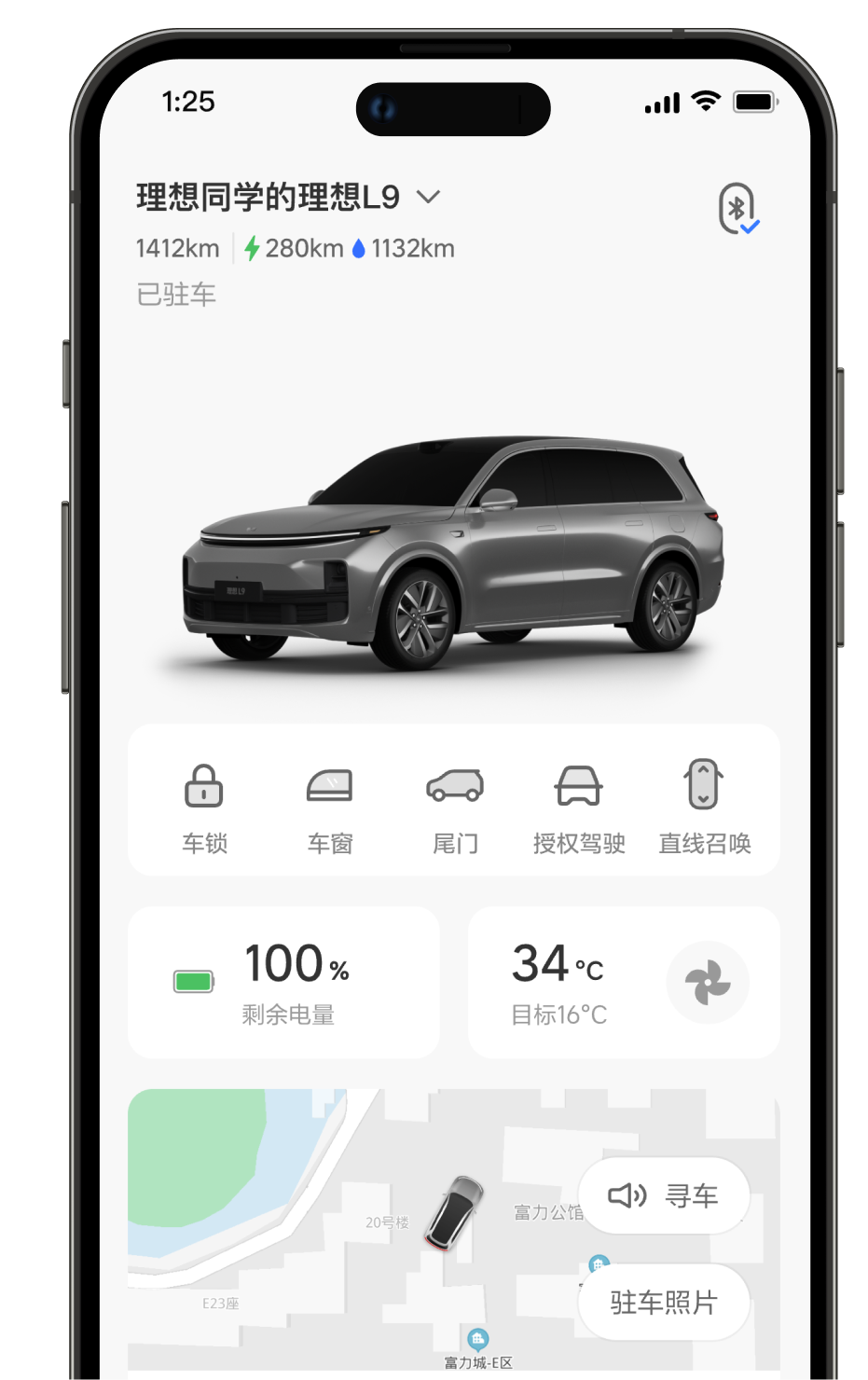
The parking perception system has also been innovated: it adopts UWB near-field perception instead of traditional ultrasonic radar, eliminating the need for openings in the bumper, resulting in a cleaner visual appearance, and theoretically offering better detection distance and response speed. However, in actual testing , there is still room for improvement in the warning strategy—the alarm triggers too early (warning when the obstacle is still far away), and there is sometimes a delay in deactivation, with the alarm continuing for several seconds after pedestrians or vehicles have moved away.
The headlights have been upgraded with ADB adaptive high beam, significantly improving brightness compared to the previous generation; however, compared to competitors in the same price range that have already applied pixel-level headlights, Li Auto still appears conservative in its lighting technology approach, with the ADB function not being fully implemented until the flagship L8/L9 generation.
Powertrain and Chassis: Initial Exploration of Full-Drive Control, Tuning Leans Towards Comfort
The Livis version features a fully drive-by-wire chassis , including 800V fully active suspension and other technologies. While specific motor parameters haven't been released, the official statement emphasizes that its chassis logic is deeply optimized for a large five-seat configuration. In actual driving, the suspension effectively filters out minor bumps and maintains good body roll control during high-speed cornering. However, the steering feel is slightly light, with weak road feedback, prioritizing ride quality over sportiness. The regenerative braking is linearly calibrated with no noticeable drag, appealing to family users.
Intelligence: The interactive features are noteworthy, but the driver assistance system needs further refinement.
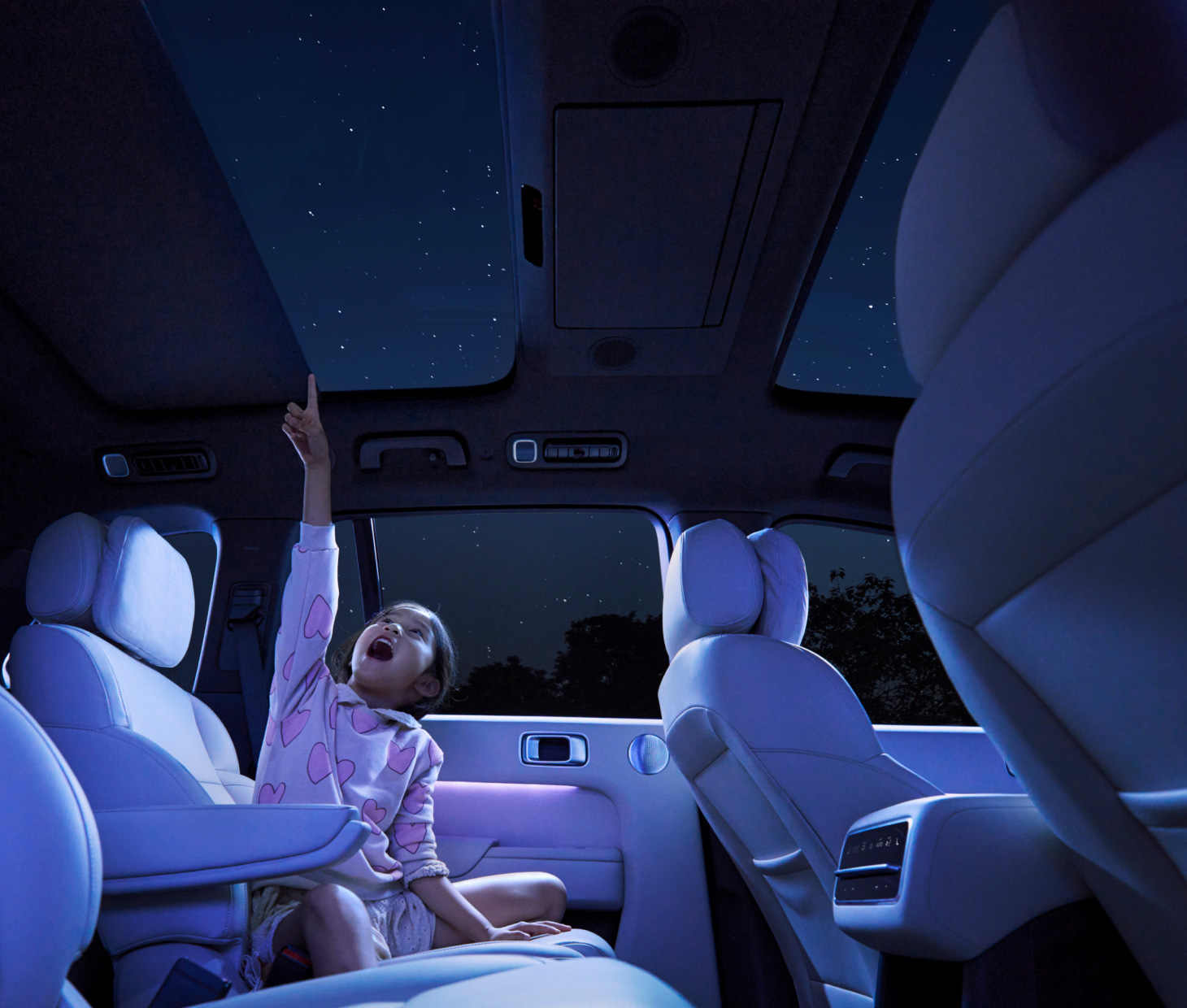
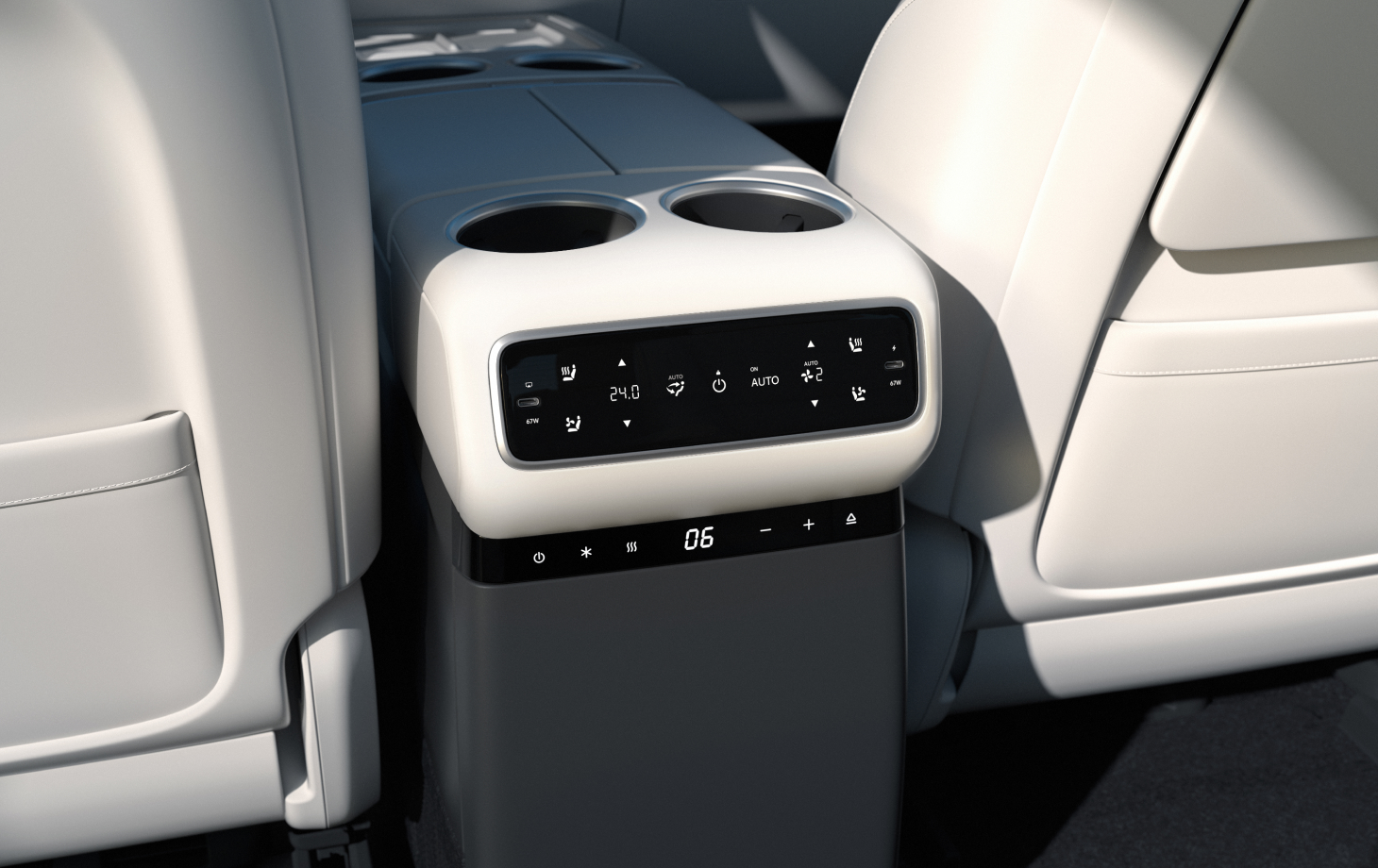
The most noticeable intelligent interactive upgrades are the tri-color daytime running lights and UWB parking. The interior features a rear starry sky roof (see below), which, combined with ambient lighting, creates an immersive experience; the center armrest integrates the air conditioning and seat adjustment panels (see below), offering superior ease of operation compared to physical buttons. However, the actual response logic of the assisted parking system is not yet fully mature, and there is a gap between it and advanced intelligent driving capabilities.
Price and Positioning: Livis Exclusive Configuration Raises the Barrier to Entry
The official price of the Li Auto L8 Livis has not yet been announced. It is only known that it is a high-spec version in the new series, featuring standard 22-inch crystal gray wheels and 285/40 R22 Michelin Pilot Sport 5 tires. These wheels are exclusive to the Livis and are not available as an option on the Ultra version . Considering its all-wheel-drive chassis and UWB sensing hardware, the final price is expected to be significantly higher than the base L8.
Summary: Five new benchmarks for large-scale transportation; smart hardware comes first, but software needs iteration.
The Li Auto L8 Livis represents a precise market positioning – with its all-around control chassis, UWB parking assist, and three-color interactive light strips, it targets the combined needs of high-end families for comfort, technology, and spatial freedom. It successfully redefines the physical and interactive boundaries of large five-seater SUVs, but some intelligent functions (such as parking assist logic) are still in the transition from "usable" to "user-friendly." If subsequent OTA updates continue to optimize response strategies and human-machine collaboration logic, Livis has the potential to become the most distinctive family flagship choice in 2026.
评论
0 条评论暂无评论,来发表第一条吧
发表评论