
On July 28, a 7.1-magnitude earthquake struck southern Kyushu, Japan, claiming dozens of lives. The disaster is now rippling through Japan's domestic auto industry — Honda Motor Co., Ltd. announced it will suspend production at its Yorii Plant in Saitama Prefecture and Suzuka Plant in Mie Prefecture from August 5 to 7, 2026. Affected models include the 2026 Honda CIVIC, Prelude, Freed, HR-V, ZR-V, Step WGN, and the Super-One micro EV.
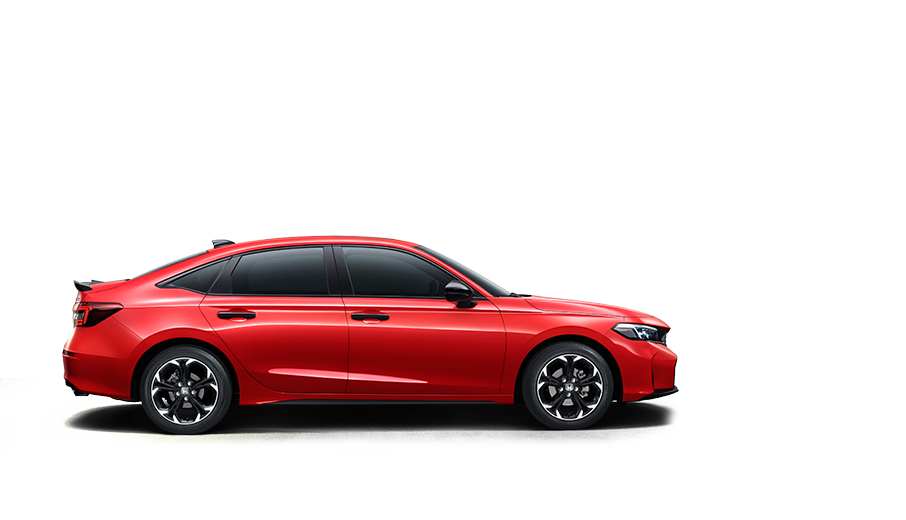
Previously, Honda had only shuttered its motorcycle plant in Kumamoto Prefecture — the earthquake's epicenter. This expanded shutdown signals that supply-chain disruption is now spreading from component suppliers to final-assembly operations. Preliminary industry estimates suggest cumulative output losses across TOYOTA, Honda, Nissan, Mitsubishi, and Daihatsu may approach 20,000 units.
Meanwhile, TOYOTA added its Tahara Plant in Aichi Prefecture — which builds the Lexus GX, LS, IS, LM, Land Cruiser 250, and 4Runner — to its停产 list, halting operations from August 3 to 7. Its three Kyushu-based plants — Miyata, Kanda, and Kokura — will remain offline until after the second shift on August 5. Miyata alone loses roughly 1,700 vehicles per day, with total losses expected to exceed 10,000 units.
Nissan confirmed its two Kyushu plants — Shatai Kyushu and Nissan Motor Kyushu — will halt production through August 5, impacting the Infiniti QX80, Nissan Patrol, Armada, fourth-generation Elgrand e-Power, Kicks e-Power, Serena e-Power, and export-market X-Trail (sold as Rogue in North America).
Notably, factory damage was not the primary cause of these shutdowns. Instead, critical parts suppliers — including TOYOTA-affiliated Aisin and Renesas Electronics, plus Honda-linked Astemo — were disrupted by the quake. This triggered Japan's classic just-in-time domino effect: once assembly lines stop, upstream suppliers immediately scale back or halt production — even if their facilities sustained no physical damage.
Overseas markets face minimal impact. In the U.S., for example, Honda imported only 5,637 vehicles from Japan in the first half of 2026 — less than 1% of its U.S. sales volume — and most were niche high-performance or limited-edition models like the Civic Type R and Prelude hybrid coupe. Thus, this production pause has virtually no tangible effect on North American inventory levels.
Comments
0 commentsNo comments yet. Be the first!
Post Comment