
In the 2026 midsize sedan segment, the Hongqi H5 remains firmly anchored at the center of China’s ‘presence-first’ domestic offerings. It doesn’t chase headlines with blistering 0–100 km/h acceleration or dominate social feeds with cutting-edge autonomous driving — instead, it leans into a bold, upright silhouette, a chrome-dense front fascia, and dignified deep-blue paint to deliver the most fundamental, visceral notion of ‘propriety’ for business users.
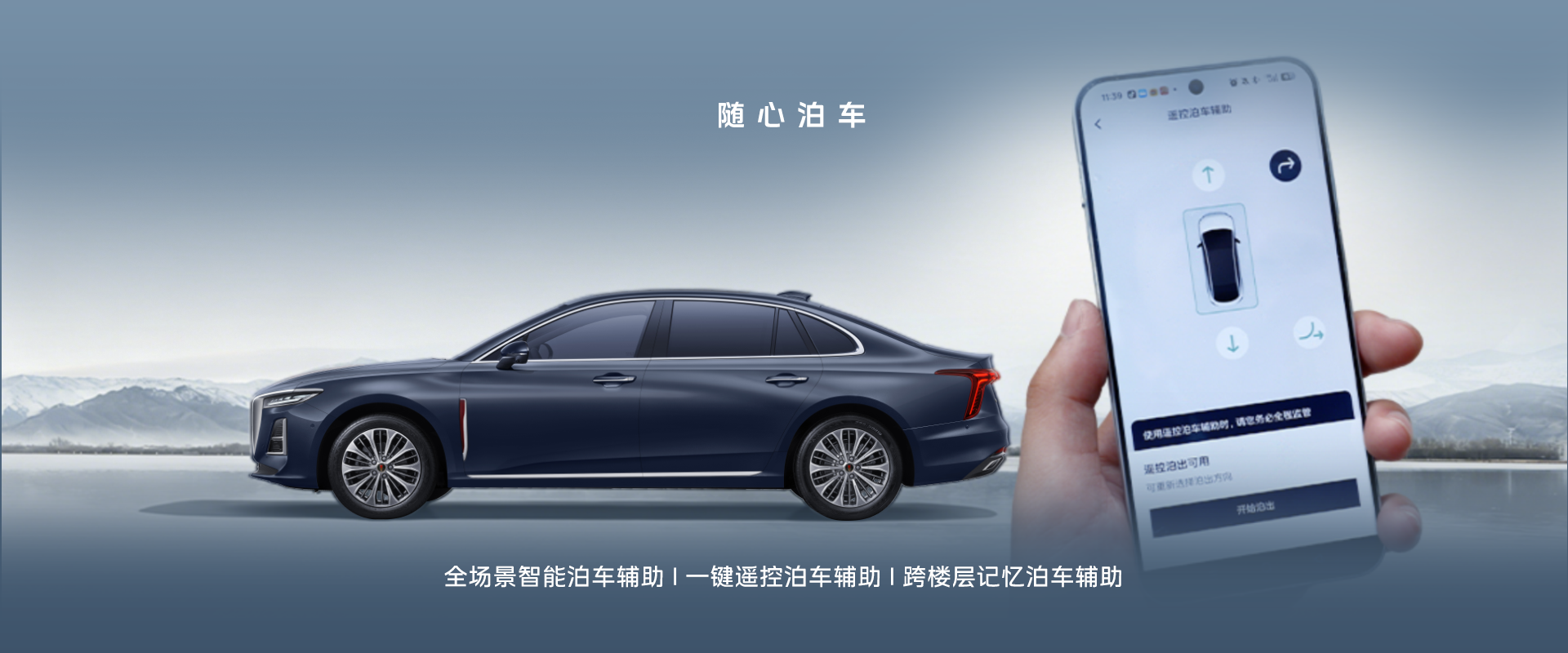
Design: A Visual Anchor of Chinese Luxury
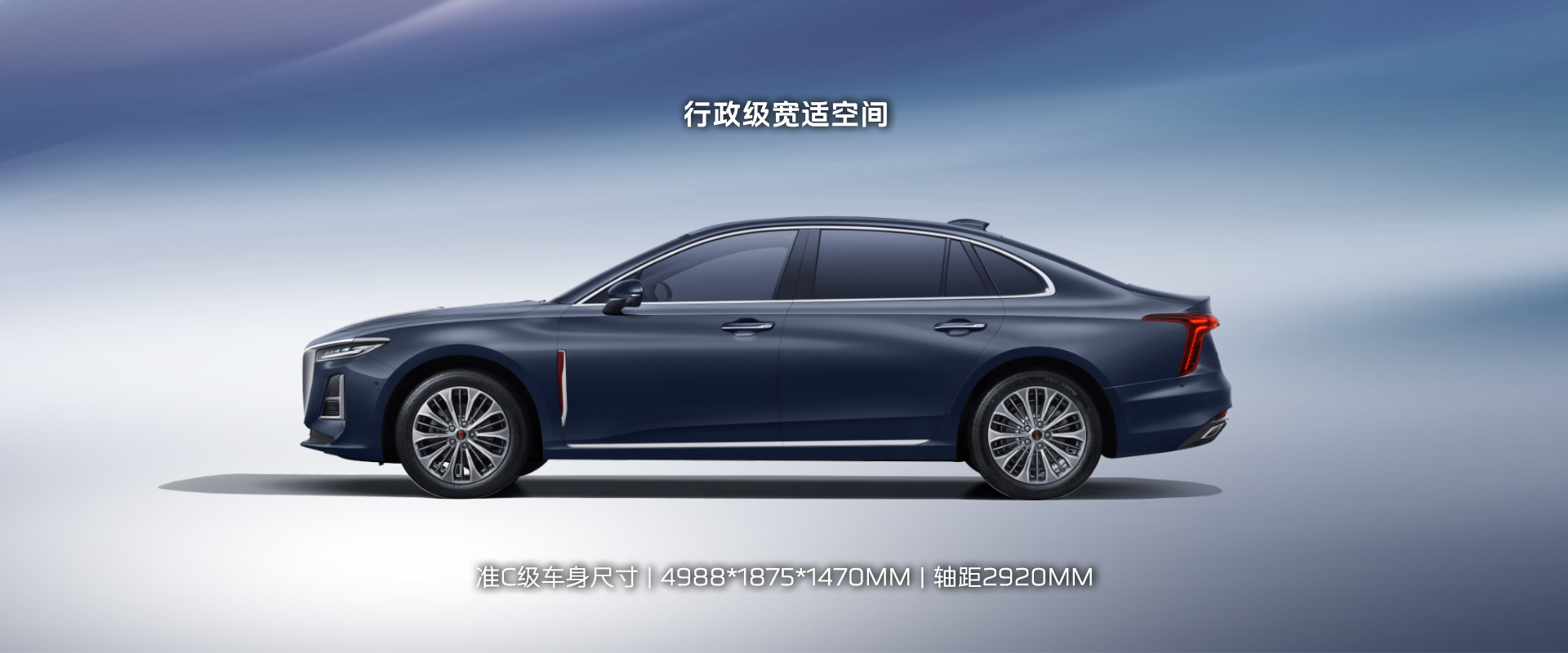
The 2026 H5 retains Hongqi’s signature design language — but with refined, more mature details. A vertical-slat grille paired with wing-shaped LED daytime running lights commands executive presence even from afar; side profile lines are straight and assertive, while the C-pillar’s subtle fastback taper strikes a restrained, understated note — no youthful aggression here, yet perfectly aligned with the aesthetic preferences of government agencies, SME owners, and professionals in traditional industries. Under sunlight, the deep-blue paint reveals rich tonal depth, complemented by 18-inch two-tone alloy wheels — delivering an ‘arrival ceremony’ effect, even when parked.
Powertrain: Adequate — But Not Engaging
All trims feature a 1.5T turbocharged engine (124 kW max power, 258 N·m peak torque), mated to a 7-speed wet dual-clutch transmission. Tuning prioritizes smoothness and fuel economy: gentle take-off, conservative mid-range throttle response, and longer distance required for highway overtaking. Real-world combined-cycle (city + expressway) fuel consumption measures ~7.8 L/100 km — fitting its positioning, yet no longer competitive versus Japanese rivals like the Camry 2.0L or newer German hybrid models. The chassis uses MacPherson struts up front and a multi-link rear setup — decent ride comfort over bumps, but noticeable body roll in corners and light, vague steering feedback that erodes driver confidence.
Intelligence: Practical Cockpit, Not Tech Showmanship
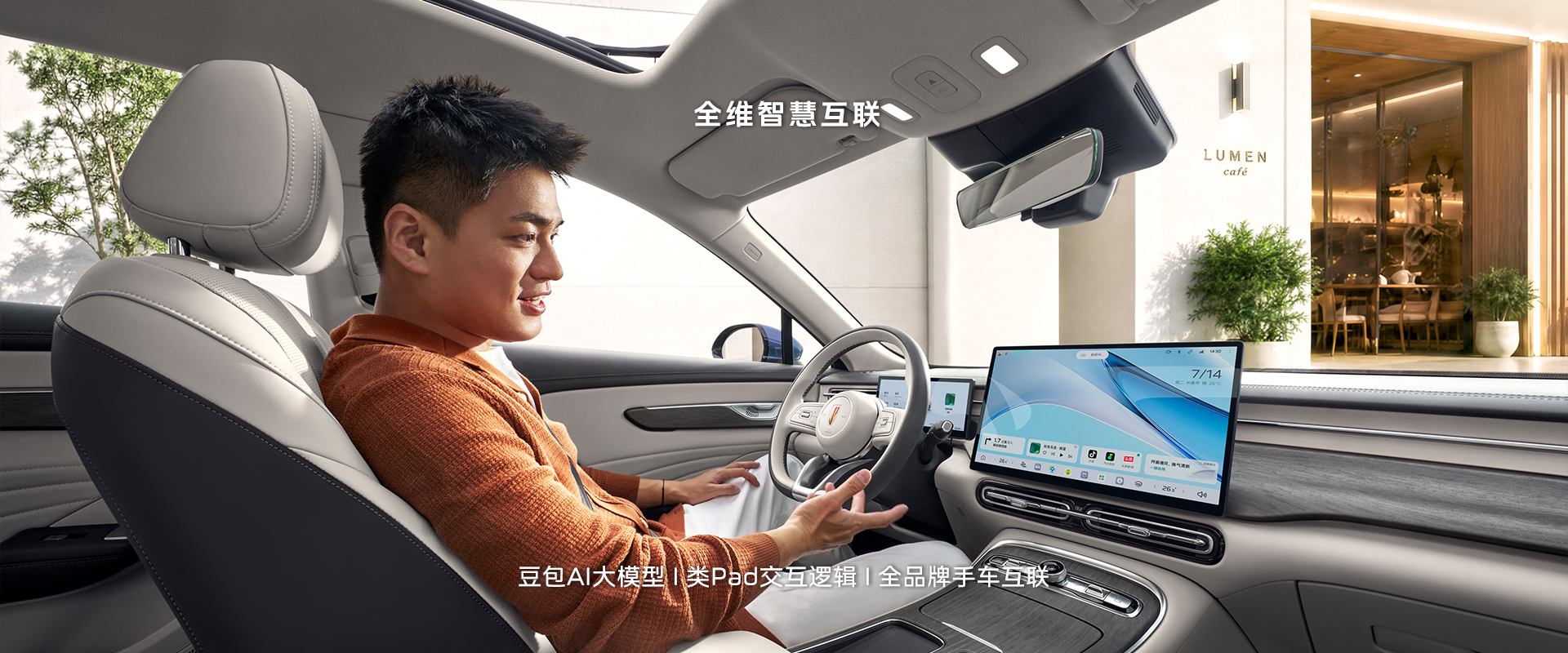
Inside, the 2026 H5 avoids screen overload: a clean 12.3-inch digital instrument cluster pairs with a 12.6-inch central touchscreen. The infotainment system runs smoothly, supports dialect-based voice commands, and offers intuitive navigation and climate controls. ADAS remains at basic L2 level: adaptive cruise exhibits slight jerkiness during follow-up, and lane-centering drifts on tighter curves. Rather than chasing ‘tech pioneer’ status, the H5 focuses intelligence where it matters most — enabling rear-seat passengers (especially executives) to quickly adjust temperature, audio volume, or answer calls. That’s precisely the smart functionality its target users actually need.
Pricing & Real-World Considerations
Official MSRP ranges from ¥109,800 to ¥159,800, with dealers commonly offering ¥30,000–¥50,000 cash discounts — bringing entry-level trim prices down near ¥100,000. On paper, value is compelling — but two hidden costs warrant attention: first, while service intervals are set at 7,500 km, minor maintenance starts at ~¥680 — higher than most joint-venture brands; second, third-party data shows a three-year residual value of ~52%, roughly 8–10 percentage points below mainstream Japanese and German competitors. Additionally, multiple owners report relatively thin paint — slightly elevated risk of parking scratches.
Verdict: A Purpose-Built ‘Identity’ Sedan
The Hongqi H5 isn’t trying to be an all-rounder. With premium materials, meticulous build quality, and deeply embedded brand symbolism, it delivers an accessible ‘luxury entry ticket’ for a specific audience. If you regularly host clients, attend formal events, or prioritize ‘making an impression’ when family members drive the car, the H5’s commanding presence, cabin refinement, and Hongqi pedigree fully justify its role. But if sporty dynamics, class-leading efficiency, or long-term resale value top your list, its limitations become apparent. The 2026 H5’s true value isn’t found in spec sheets — it’s confirmed the moment you park it in a government office lot, and someone glances over and thinks: ‘That car carries weight.’
Comments
0 commentsNo comments yet. Be the first!
Post Comment