
Lotus has quietly pivoted away from its aggressive all-electric roadmap in recent years — focusing instead on refining its internal-combustion sports-car DNA. The 2027 Emira 420 Sport embodies this strategy. It wasn't engineered for spec-sheet supremacy, yet delivers 0–60 mph in 3.9 seconds, a top speed of 186 mph, and a curb weight of just 3,153 lbs (including lightweight options) — earning its self-proclaimed title as the 'world's fastest four-cylinder production car.' This mid-engine sports car, powered by a Mercedes-AMG 2.0T engine and finely tuned under GEELY's ownership in the UK, seeks to anchor a vanishing philosophy of driving amid the electric tide.
Design: Sharpness Within Restraint
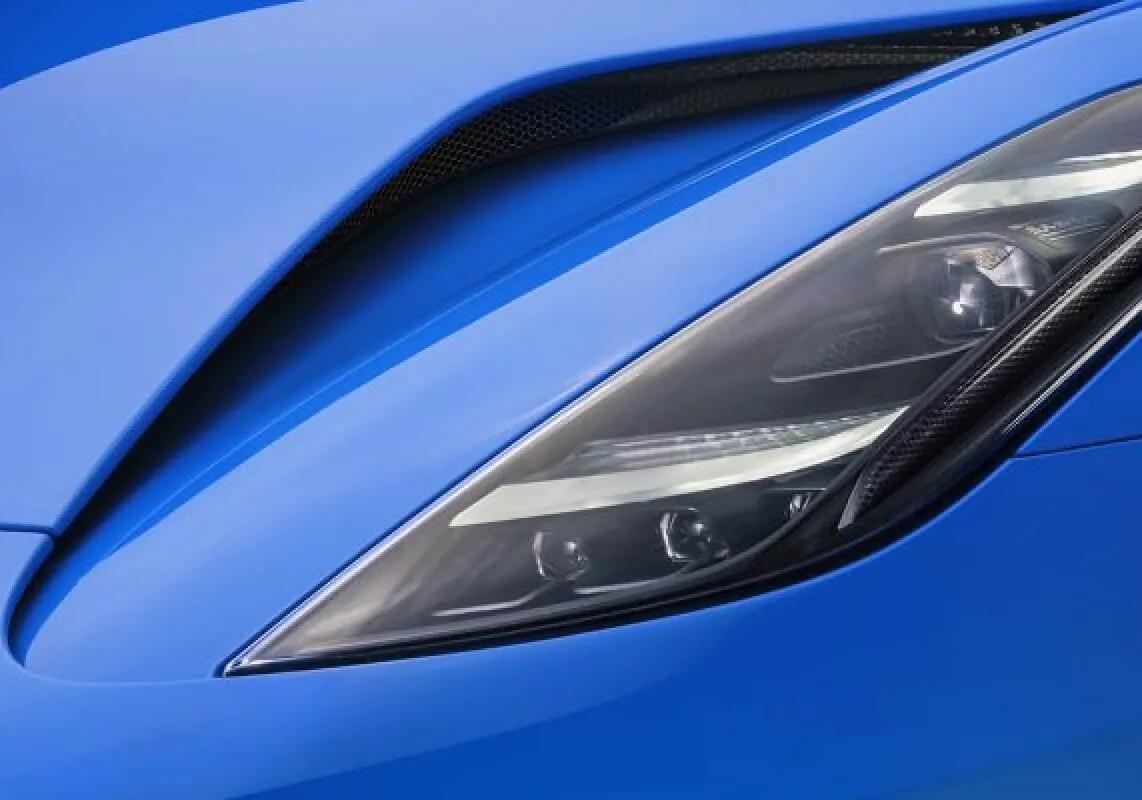
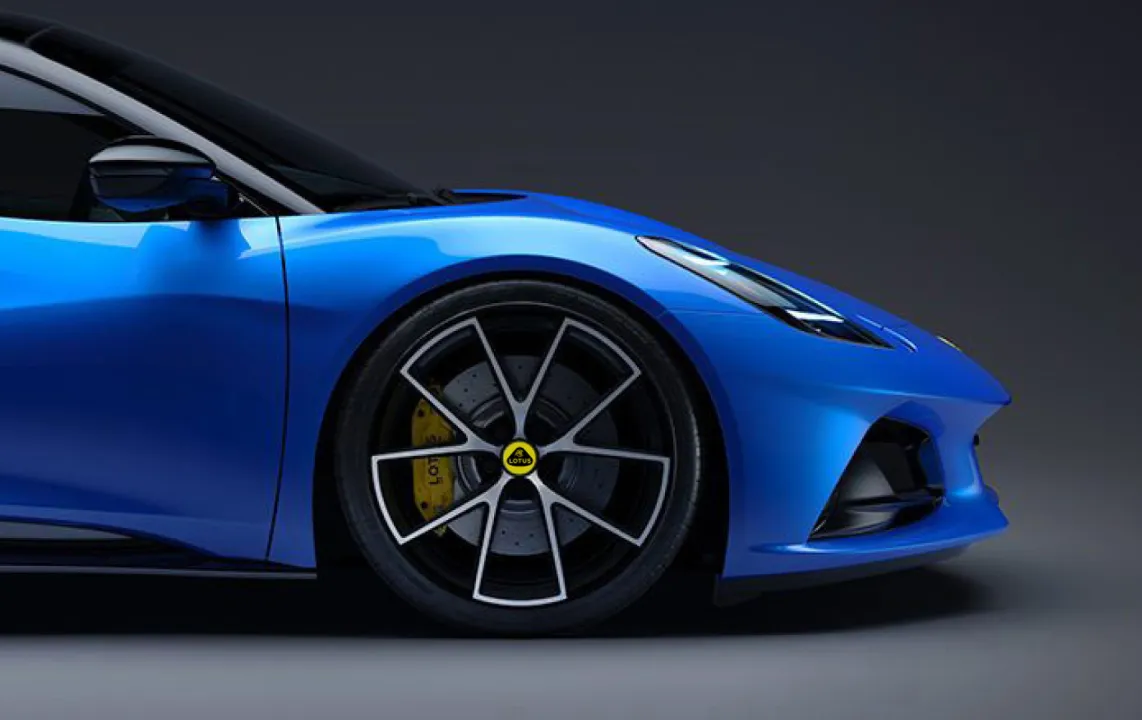
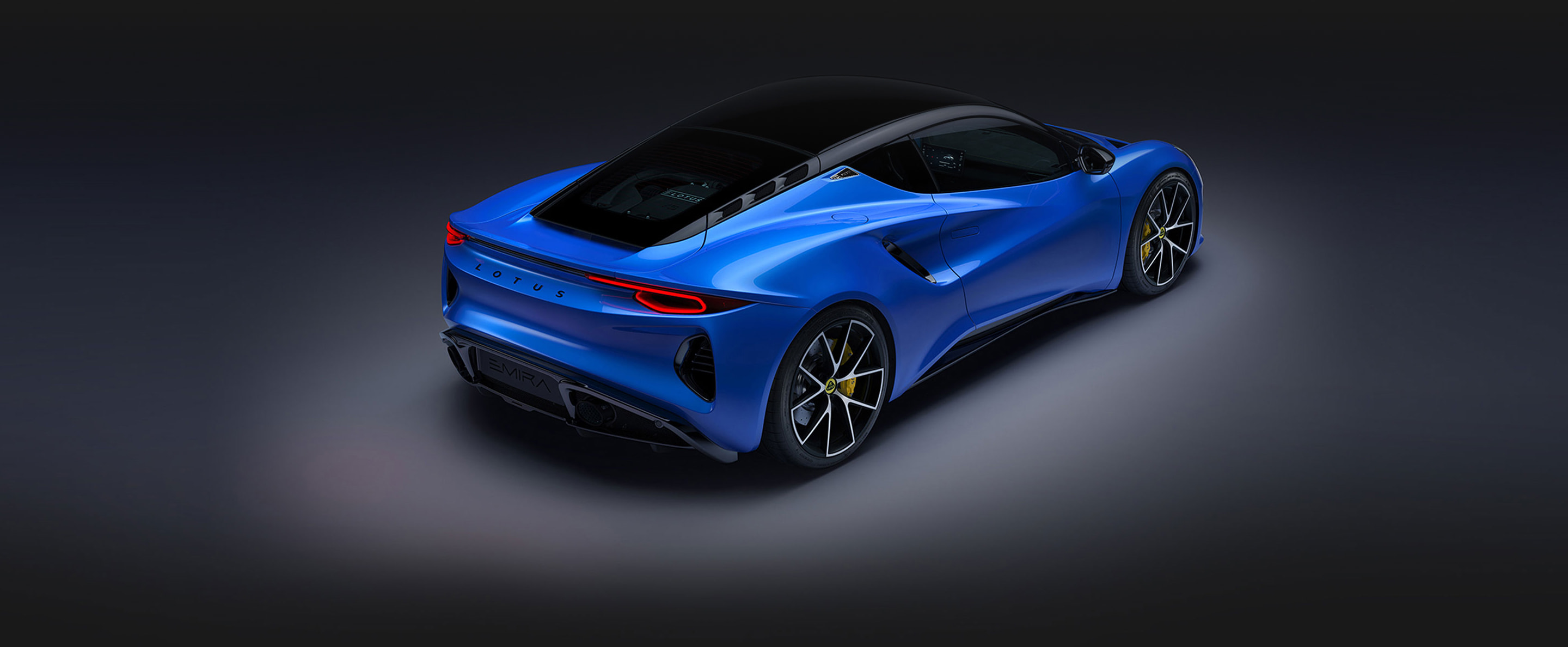
The Emira's styling needs no introduction — it's been hailed by Car and Driver as 'one of the most beautiful cars currently on sale.' The 420 Sport doesn't disrupt its classic proportions but intensifies its track-ready character with more aggressive aerodynamics: widened wheel arches, side-intake shields, a newly designed front splitter and rear spoiler, plus a lowered ride height — all lending the sky-blue body an MINI-supercar-like sense of presence. While some critics quip that 'the wheel arches and side pods feel slightly pasted-on,' the overall silhouette retains Lotus's signature fluidity and tension.
Powertrain: No Compromise on Four Cylinders
The Emira 420 Sport is powered by a Mercedes-AMG 2.0-liter turbocharged inline-four, extensively re-tuned by Lotus engineers. Its peak output climbs to 416 hp — surpassing both the standard Turbo SE and even the V6 Emira (406 hp), making it the performance benchmark across the lineup. Officially rated at 0–100 km/h in just 3.9 seconds and a top speed of Suda 300 km/h (186 mph), the engine features a 30% increase in exhaust valve flow capacity, optimized cooling delivering 15% more radiator airflow, and significantly improved brake cooling efficiency to sustain high-load operation.
A 8-speed dual-clutch transverse gearbox handles power delivery, with longer, thicker shift paddles offering enhanced tactile feedback. Notably, drive modes do not alter suspension damping or steering weight — only traction control logic, exhaust note, and throttle response. That means, regardless of mode, you're always connected directly to raw mechanical feedback.
Intelligence: Triumph of Minimalism
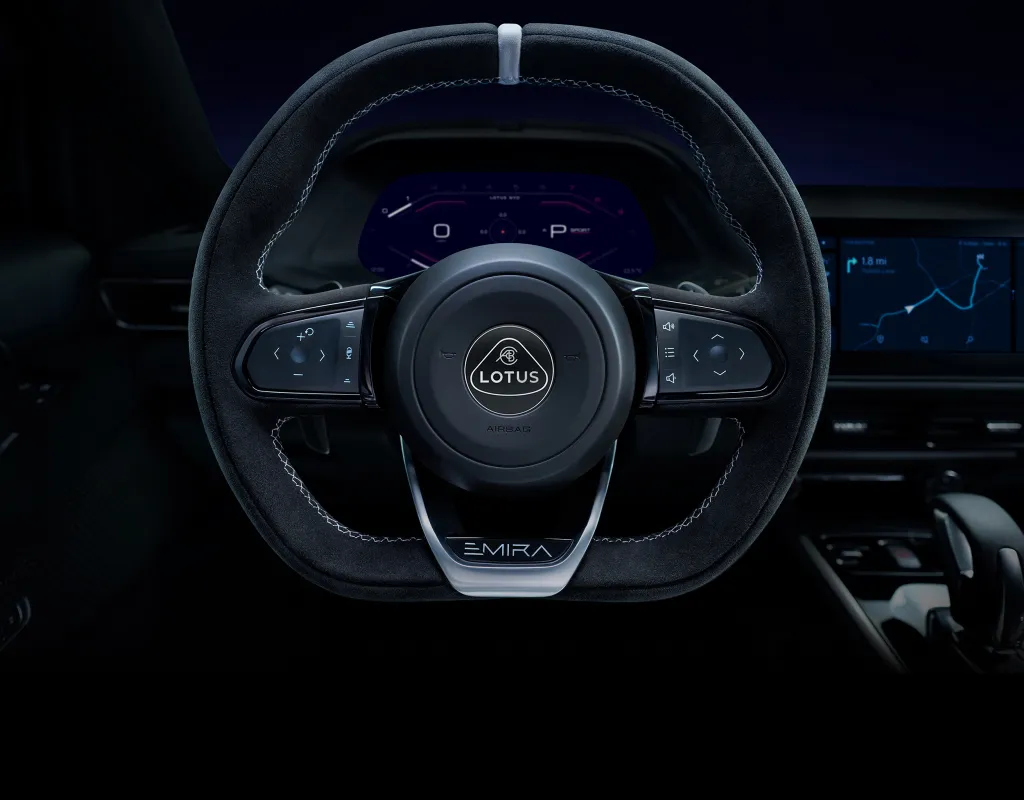
The Emira 420 Sport avoids infotainment overload, voice assistants, or L2+ driver-assistance systems. Its 'intelligence' lives in the chassis: Multimatic spool-valve dampers offer 11-step rebound adjustment; an open rear differential paired with bespoke Michelin Pilot Sport Cup 2 tires creates a wide, predictable limit window. As The Wall Street Journal observed, Lotus's definition of a 'progressive envelope' — engineering a car that remains highly controllable right up to the edge of loss of control — is not the result of algorithmic intervention, but of physical calibration mastery.
Pricing & Positioning
As Lotus's most accessible current production model, the Emira starts at approximately $109,000. The high-performance 420 Sport variant is expected to carry a modest premium over that base. Importantly, due to U.S.–China technology controls, its connected-car functionality is constrained by export restrictions on Chinese suppliers' tech — leaving only a basic telematics module available in the U.S. market. It is thus the sole Lotus model currently sold in America.
Conclusion: Not Nostalgia — A Choice
In an era where EVs race to stack battery capacity and computing power, the Emira 420 Sport stands as a declaration: driving pleasure need not rely on kWh or chip count — but on light weight, precise weight distribution (40:60 front-to-rear), mechanical feedback, and mutual trust between driver and machine. It won't automatically catch your tail slide — but with every subtle drift into a corner and every full-throttle roar of its four-cylinder heart, it reminds you: 'Driving' was always meant to be a dance with physics.
Comments
0 commentsNo comments yet. Be the first!
Post Comment